
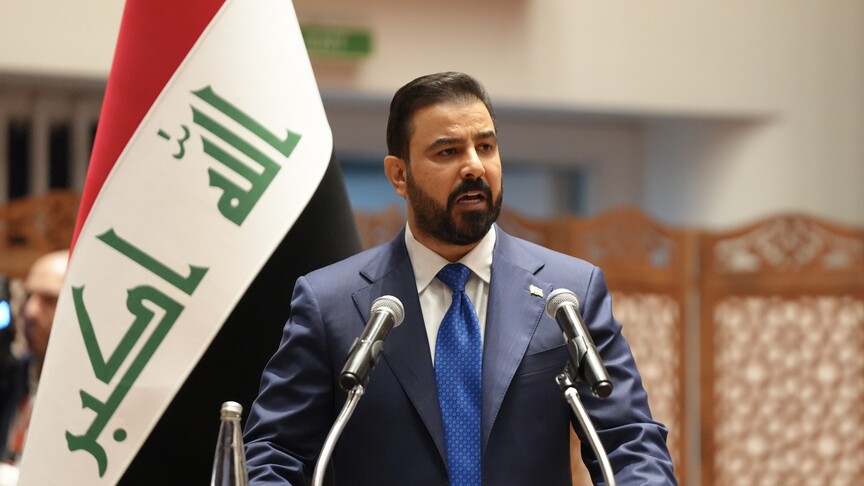
Iraq’s leadership is taking significant steps to enhance its international relations, particularly with the United States and neighboring Saudi Arabia. Prime Minister Ali Falih al-Zaidi recently announced plans to establish a framework of political cooperation and an economic partnership with the US. This initiative is part of a broader strategy to foster stronger bilateral ties and bolster Iraq’s economic stability.
Strengthening U.S.-Iraq Relations
During an interview with Al Arabiya, al-Zaidi emphasized that the upcoming announcement would focus on fostering collaboration in both political and economic spheres. While specifics were not disclosed, the commitment to deeper ties suggests a mutual interest in fortifying relationships that could benefit both nations. This partnership with the United States is anticipated to enhance Iraq’s capacity for development, potentially providing the country with much-needed support in various sectors.
Moreover, al-Zaidi highlighted the importance of Iraq’s relationship with Saudi Arabia. He underscored the roles that both nations play as strategic allies, indicating an intention to pursue an economic partnership that could lead to mutual growth. Strengthening ties with Saudi Arabia is seen as crucial, especially given the geopolitical dynamics of the region. The collaborative efforts could lead to integrated strategies that promote stability and prosperity for both neighbors.
Iraq’s Commitment to OPEC and Economic Reforms
In his remarks, Prime Minister al-Zaidi reaffirmed Iraq’s dedication to the Organization of the Petroleum Exporting Countries (OPEC). He clarified that Iraq has no intention of exiting OPEC but is keen on negotiating a fair production quota that reflects its needs. This stance underscores Iraq’s commitment to maintaining its position in the global oil market while balancing its domestic economic requirements. By working within OPEC, Iraq aims to stabilize its economy while navigating the complexities of oil production and pricing.
Furthermore, the Prime Minister acknowledged the ongoing dialogues with various armed factions within Iraq. He expressed the government’s intentions to redirect these groups’ activities into political and social domains. Al-Zaidi stated that the government is setting a clear timeline for the transition, indicating that after a specified deadline, all weapons must be in the hands of recognized state institutions. This move is intended to consolidate authority and enhance security, fostering a more stable environment for development.
Addressing Corruption and Public Accountability
On the issue of corruption, al-Zaidi insisted that the government’s efforts would be impartial and comprehensive, with no favoritism based on sectarian or ethnic lines. He referred to corruption as a significant crime that must be addressed systematically. The Prime Minister declared, “There are no red lines in our efforts to protect public funds,” signaling a strong stance against malfeasance. He stressed that those involved in corrupt practices would have no option but to return the embezzled public funds, emphasizing accountability in governance.
Through these initiatives, Prime Minister al-Zaidi is striving to create a more transparent and accountable government in Iraq. His administration’s focus on political cooperation, economic partnerships, and a firm stance against corruption highlights a commitment to fostering a stable and prosperous Iraq. As these plans unfold, they may significantly shape Iraq’s trajectory toward sustainable development and improved international relations. The establishment of effective governance and strategic partnerships could serve as the foundation for a stronger economic future for the nation.