
The ongoing debate surrounding the coverage of the Israel-Palestine conflict by Australia’s public broadcasters, ABC and SBS, came to the forefront during a recent royal commission inquiry. The discussion focused on the independence and effectiveness of the complaints process implemented by these broadcasters, against the backdrop of suggestions for an external regulatory body to oversee their reporting.
Concerns Raised by the Antisemitism Envoy
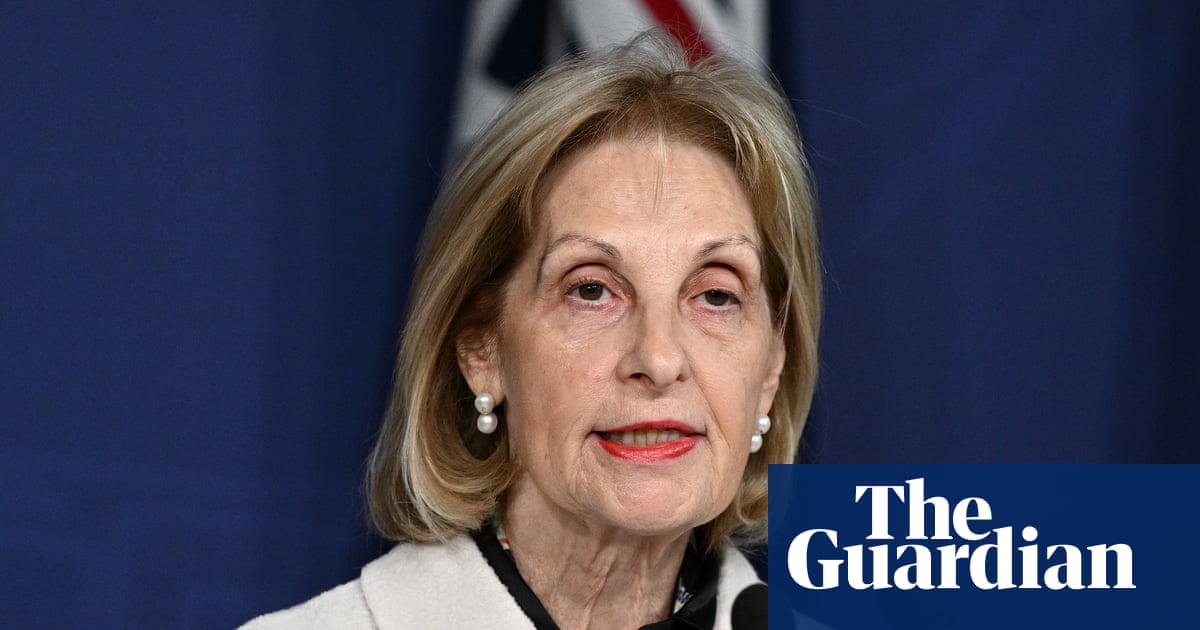
Jillian Segal, the antisemitism envoy, expressed concerns during the inquiry about the perceived imbalance in how the ABC and SBS report on the conflict. According to her, many within the Jewish community feel that the coverage is skewed, with an excessive focus on Gaza compared to other global conflicts. Segal suggested that an independent “oversight” committee be established to ensure fair coverage, arguing that public trust in media could be enhanced through added scrutiny.
However, ABC’s editorial director, Gavin Fang, countered Segal’s claims by asserting that their existing ombudsman system is functioning well. He highlighted the role of the Australian Communications and Media Authority (ACMA) and described the ombudsman as being capable of effectively evaluating the broadcaster’s content. Fang maintained that the ABC adheres to high editorial standards and guidelines that promote impartiality, accuracy, and fairness. He questioned the necessity of an additional oversight body given these existing measures.
Statements from SBS and Patterns of Complaints
Amy Stockwell, the ombudsman at SBS, reinforced the independence and effectiveness of their complaints committee. She emphasized that her evaluations are subject to external review by ACMA, ensuring accountability within the organization. Stockwell pointed out that the role of a media ombudsman is globally recognized for promoting transparency and responsibility in reporting.
Interestingly, the inquiry revealed a significant volume of complaints specifically concerning the coverage of the Middle East conflict. Fiona Cameron, the ABC ombudsman, reported that a large percentage of the complaints filed predate criticisms of bias. From October 2023 to May 2026, a staggering 42% of complaints were related to the Israel-Palestine coverage alone. The data indicated that community biases significantly influenced perceptions of the broadcasters’ reporting rather than any systemic favoritism.
The Impact of Reporting Mistakes
In the discussion about the accuracy of coverage, Segal criticized an ABC report that erroneously claimed 14,000 babies would die in Gaza within 48 hours unless aid reached them. The report was corrected following its initial release, but Segal noted that the correction was less prominently featured than the original claim. This incident was characterized by all parties as an unfortunate mistake, revealing the high stakes surrounding reporting in sensitive geopolitical contexts.
Segal also pointed to instances where SBS relied on sources that she deemed unreliable, such as the Gaza health ministry, which has faced allegations of providing inflated casualty figures. The SBS news director defended the organization’s commitment to addressing discrimination and antisemitism while also being transparent about criteria for sourcing statistics.
As the issue of media coverage continues to be prominent, both ABC and SBS have chosen not to adopt the controversial IHRA definition of antisemitism. This decision was made to maintain their perceived independence, stirring further debate about how broadcasters navigate complex socio-political narratives and their potential impact on public sentiment.