
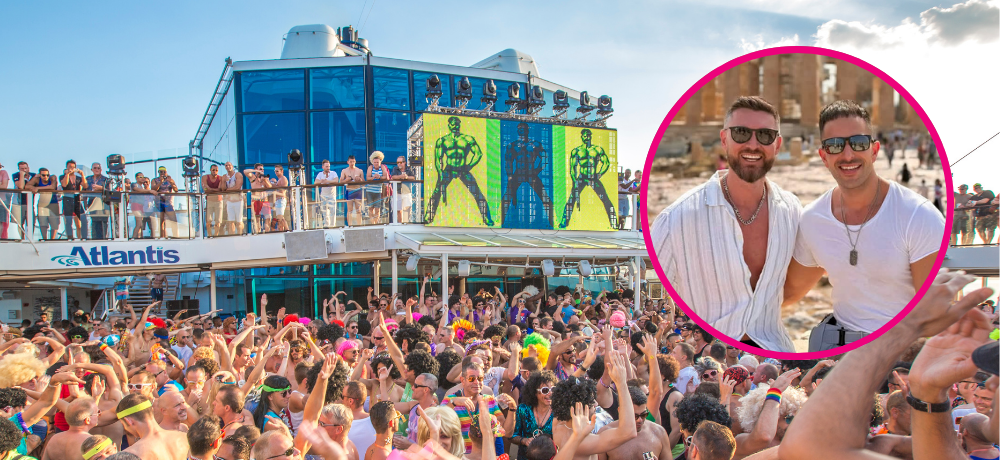
A recent incident involving a LGBTQIA+ cruise has reignited discussions about safety and inclusivity in travel. Passengers were left in shock when their anticipated stop in Egypt was abruptly scrapped, following an earlier refusal for entry in Turkey. This series of events has raised critical questions regarding the treatment of LGBTQIA+ individuals while traveling through regions with varying societal norms.
Impact of Cultural Differences on LGBTQIA+ Travel
Traveling as an LGBTQIA+ individual can be a complex experience due to differing societal values around the world. Some countries remain steadfastly conservative, making it difficult for LGBTQIA+ travelers to freely express their identity. This canceled stop in Egypt serves as a stark reminder that not all destinations embrace diversity and inclusion. Travelers must often stay informed about local laws and customs, allowing them to navigate potential challenges.
The cruise intended to create an atmosphere of acceptance, yet the rejection from both Turkey and Egypt reveals a troubling aspect of travel in the current climate. Understanding and acknowledging these cultural landscapes is crucial for companies planning LGBTQIA+ travel experiences. Future itineraries must take into account these evolving social dynamics to ensure both safety and satisfaction for their passengers.
Strategies for Safer and More Inclusive Travel
So, what can be done to make LGBTQIA+ travel experiences safer and more inclusive? First and foremost, thorough research is essential. Travelers should consider engaging with organizations that specialize in LGBTQIA+ travel advice. They can offer insights into safe destinations, accommodating hotels, and even local communities that are friendly and welcoming.
Additionally, cruise lines and travel companies have a responsibility to ensure that their itineraries are considerate of the legal and social climate in the countries they visit. By choosing destinations known for their progressive attitudes toward LGBTQIA+ rights, travel organizers can help create a supportive environment for their passengers.
Moreover, travelers should stay connected with online communities and forums that provide real-time advice and share personal experiences. Such platforms can offer useful tips on how to navigate potentially hostile situations, thereby enhancing the overall travel experience.
The Role of Advocacy in Shaping Travel Policies
Advocacy plays a significant role in shaping travel policies that prioritize the well-being of LGBTQIA+ individuals. Organizations dedicated to human rights can work towards influencing travel laws and regulations, pushing for a world that is more inclusive. This incident involving the LGBTQIA+ cruise emphasizes the ongoing struggles faced by the community and highlights the need for continual activism.
Support for LGBTQIA+ rights can also be demonstrated through consumer choices. By opting to travel with companies that actively promote inclusivity, travelers send a clear message that they value respect and acceptance. Travel agencies and cruise lines must respond to this demand by prioritizing routes that celebrate diversity and raise awareness.
In conclusion, the unfortunate events surrounding the LGBTQIA+ cruise present an opportunity for reflection and change. Travel companies, advocacy groups, and individual travelers must collaborate to ensure that the journey is safe, inclusive, and enriching. As we look forward to future adventures, striving for a travel landscape where everyone can feel free to be themselves is paramount.