
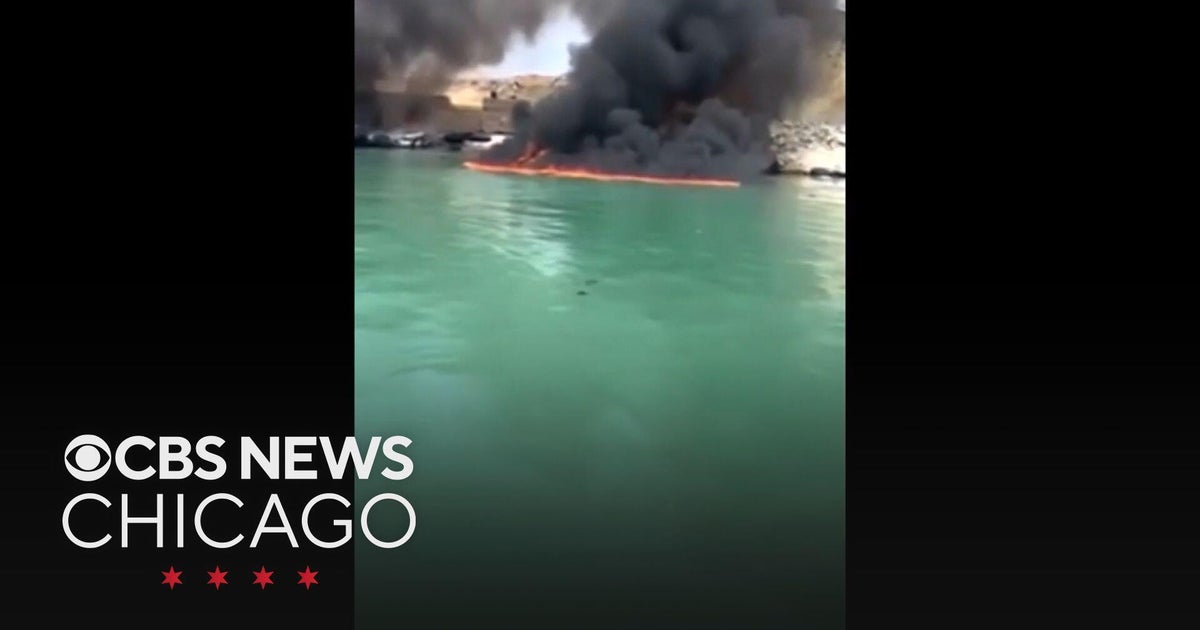
Iran’s recent military actions have escalated tensions in the region. On Thursday, the country launched a significant missile attack targeting U.S. allies. This attack comes alongside reports of at least 14 casualties in U.S. airstrikes over the past 48 hours. The situation has rapidly deteriorated following a series of Iranian assaults on commercial vessels in the strategic Strait of Hormuz.
Escalation of Hostilities
The ongoing conflict has its roots in Iran’s aggressive behavior towards shipping in the Strait of Hormuz, a vital channel for global oil transport. Recent incidents involved attacks on multiple commercial vessels, drawing immediate international condemnation and prompting retaliatory strikes from the U.S. military. The recent missile launches by Iran signify a worrying expansion of hostilities, marking a pivotal moment in U.S.-Iran relations. These events not only threaten local stability but also pose risks to international maritime security.
Casualties and Consequences
As the situation unfolds, reports indicate that U.S. airstrikes have resulted in the deaths of at least 14 individuals. These airstrikes were targeted at specific militia group positions, aiming to deter further Iranian aggression. However, the toll on human life raises questions about the broader implications of such military engagements. The conflict places pressure on both U.S. forces and their allies, compelling them to navigate an increasingly volatile landscape. It underscores the potential for rapid escalation if regional tensions are not carefully managed.
Global Reactions and Diplomatic Efforts
In the wake of these alarming developments, there has been a wave of international reactions. The U.S. has reaffirmed its commitment to protecting its interests and allies in the region, while various global leaders are calling for restraint on all sides. Diplomatic channels must remain open to avoid further escalation. Potential discussions surrounding maritime security in the Strait of Hormuz may serve as a crucial stepping stone toward stabilizing the region and preventing future incidents.
A Path Forward
Finding a resolution requires a delicate balance of military readiness and diplomatic overtures. Both sides must consider the long-term consequences of their actions, weighing military responses against the potential for peaceful negotiations. As the world closely monitors the situation, it remains essential for national and international leaders to promote dialogue over discord in an effort to restore stability and peace in an increasingly turbulent environment. Immediate steps should focus on de-escalating tensions to foster conditions conducive to constructive discussions.
In conclusion, the rising hostilities between Iran and U.S. allies highlight the fragility of regional stability. With both sides engaging in military actions, the risk of further violence looms large. It is imperative for stakeholders in the region and around the world to seek diplomatic avenues to prevent a broader conflict from erupting and to secure the safety of maritime routes critical to global trade.