
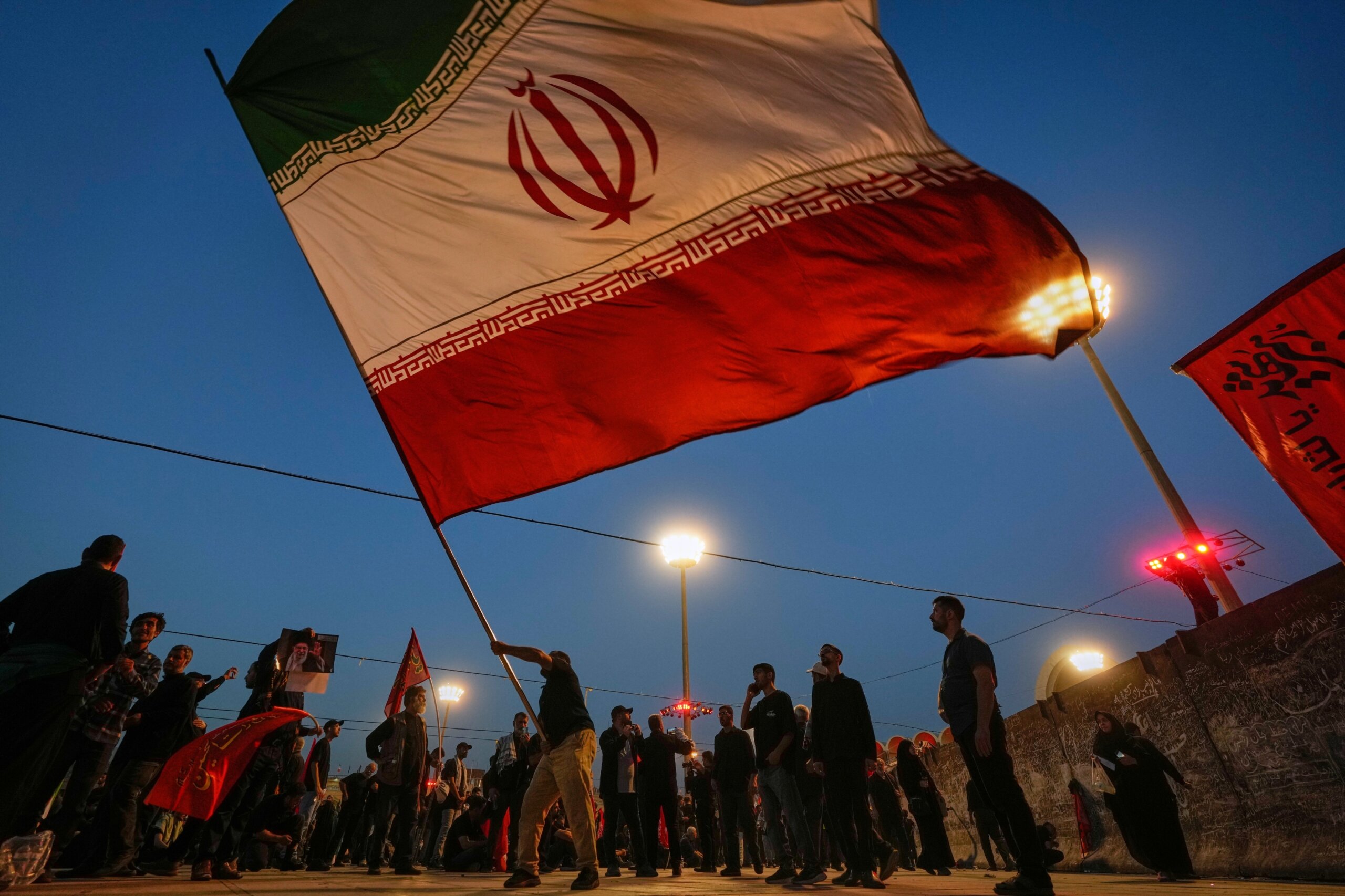
A recent string of unclaimed airstrikes in Iran has ignited speculation about potential aggressors following the U.S. military’s withdrawal from its own campaign. As tensions escalate in the region, the mystery surrounding the identity of the perpetrators grows, prompting concerns over the ongoing conflict’s broader implications.
Recent Strikes and Iran’s Response
On Thursday, airstrikes targeted several regions in southern Iran, coinciding with the nation’s observance of the late Supreme Leader Ayatollah Ali Khamenei’s funeral. Despite the Iranian government not explicitly naming a culprit, a lawmaker directed warnings at the United Arab Emirates, hinting at its supposed involvement in aiding U.S. operations against Iran. The strikes affected pivotal areas such as Bushehr and Sistan and Baluchestan provinces, leading to destructive explosions that rattled various cities, including Ahvaz and Chabahar.
The U.S. Central Command had claimed to wrap up its own series of targeted attacks just before these new strikes occurred, but they have not provided clarity on who might be responsible for the latest events. Iran retaliated by launching missiles at neighboring countries, including Bahrain and Kuwait, which set off alarm sirens as citizens sought safety. Reports indicated that at least one individual in Kuwait suffered injuries due to incoming missile fire.
The Geopolitical Landscape of Conflict
In the backdrop of these armed engagements, Gulf Arab states—who have faced Iranian aggression since the outbreak of hostilities in February—remain tight-lipped, just as the U.S. pushes for unobstructed navigation through the vital Strait of Hormuz. Iran, however, insists on exerting control over this critical waterway, through which a significant portion of the world’s oil supply transits. Tehran’s demand for tolls on vessels navigating the strait represents a significant shift from its long-standing classification as an international passage.
Despite the Iranian military’s commanding grip on the strait leading to a global energy crisis, oil prices have surprisingly decreased from wartime peaks of $120 per barrel. As regional tensions simmer, Israel—known for its robust military stance against Iran—has not claimed any recent strikes since its last known attack in June. Israeli officials, however, have signaled readiness to re-engage militarily if deemed necessary, particularly with Prime Minister Benjamin Netanyahu and Defense Minister Israel Katz implying potential renewed operations against Iranian threats.
Heightened Iranian Threats and International Implications
Amidst these escalating tensions, Iranian officials, including member of parliament Esmail Kousari, have publicly declared that the UAE would face consequences for its alleged cooperation with the U.S. in military operations aimed at Iran. This sentiment reflects a broader Iranian narrative accusing its Gulf neighbors of complicity in the ongoing conflict, a claim those states consistently deny.
Moreover, Iran continues pressing for exclusive control over the Strait of Hormuz, while the U.S. maintains its military presence in the region. The Joint Maritime Information Center has been proactive in alerting ships to navigate through an alternate southern route to avoid potential skirmishes. Such advisories follow a recent Iranian attack that impacted multiple vessels, reinforcing the ongoing volatility in maritime operations within Iranian jurisdiction.
As the geopolitical landscape evolves, the situation remains precarious. Stakeholders from various nations, including Gulf Arab states and the U.S., find themselves entangled in a web of complex alliances and rivalries, each with significant ramifications for security and stability in the Middle East. The mysterious airstrikes and Iranian retaliation illustrate the fragile balance that governs this region and underscore how quickly tensions can escalate into broader conflicts.