
The United Arab Emirates (UAE) has made headlines recently by achieving a historic milestone in crude oil production, reaching unprecedented levels in June. This surge marks a significant response to geopolitical tensions in the region and highlights the UAE’s decisive strategy amidst the ongoing conflict involving Iran. As the UAE continues to strengthen its output capabilities, analysts are closely monitoring the impact on the global oil market.
Record Production Amidst Regional Turmoil
According to the International Energy Agency (IEA), the UAE’s oil output averaged 4.1 million barrels per day in June, surpassing its previous peak of 4 million barrels per day achieved during a brief price war in 2020. This rise in production follows the UAE’s exit from the OPEC+ agreement earlier in the year, reflecting a strategic pivot as the nation seeks to capitalize on its oil reserves while navigating the challenges posed by the conflict in neighboring Iran.
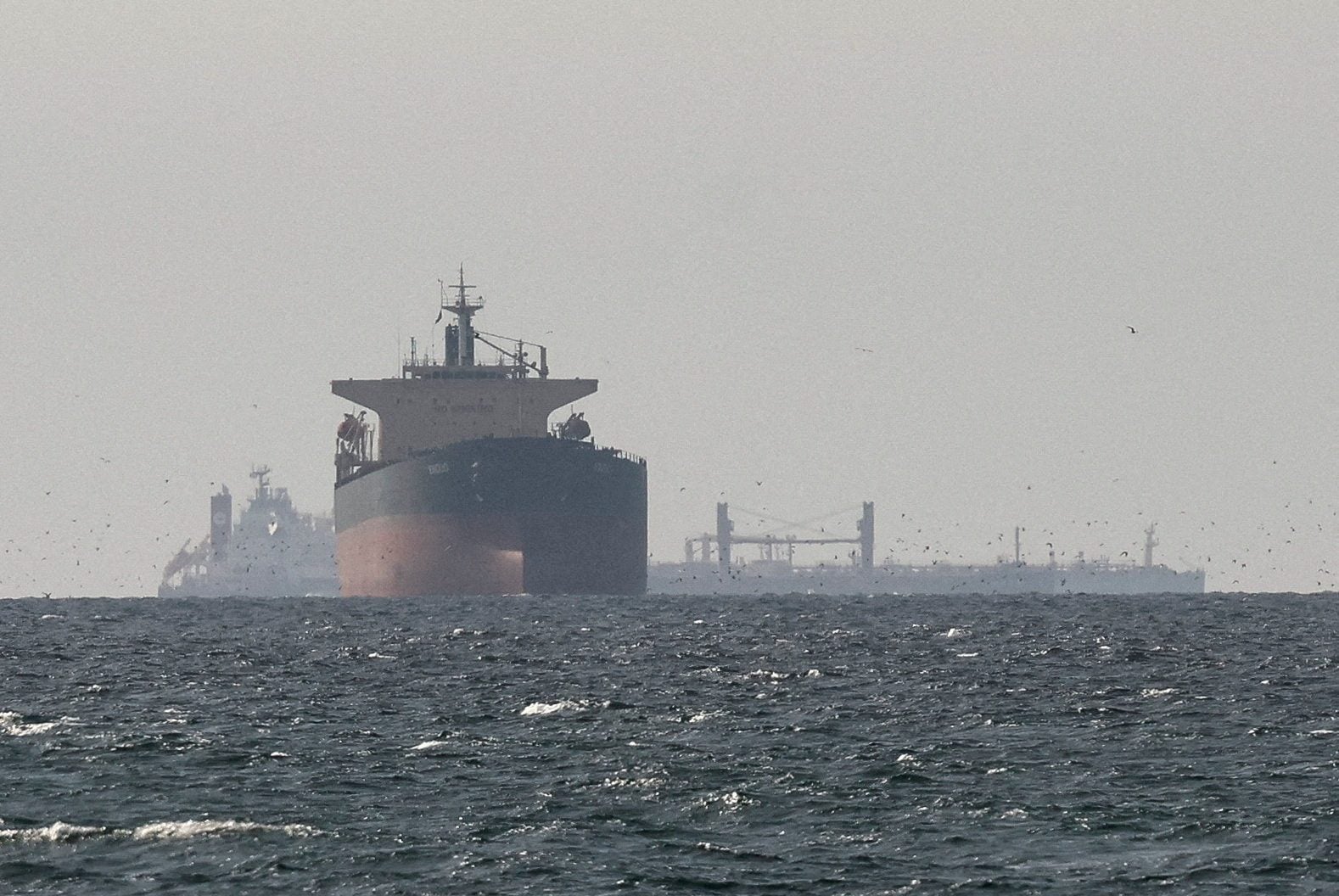
The UAE’s approach has been audacious, involving the use of its extensive fleet and partnerships with companies like Sinokor Group of South Korea, which operates the largest oil supertanker fleet globally. Many ships have been maneuvering discreetly, with their digital tracking systems disabled, allowing crude oil shipments to bypass scrutiny as they depart from the Persian Gulf. This calculated maneuvering aims to enhance the UAE’s market presence while maintaining operational secrecy.
Impact on Oil Supply and Market Dynamics
The acceleration in oil production from the UAE comes in the wake of increasing conflict in the region, particularly in the Strait of Hormuz—an essential corridor for global oil shipments. Reports indicate that, despite recent escalations, the UAE had restored its exports to pre-war levels as of last month. On the other hand, Saudi Arabia, the biggest oil producer in the Gulf, has also ramped up production significantly, nearing 7.3 million barrels per day in June.
The shift in oil supply dynamics has prompted traders to scrutinize the market closely, particularly after the UAE left OPEC+. Many are speculating about the potential for enhanced oil exports from the UAE and how other Gulf nations will respond. While Saudi Arabia and Kuwait have increased production, they have yet to reach pre-war output levels, indicating that market recovery might be uneven across the region.
Geopolitical Climate and Oil Prices
The recent surge in oil production has stirred both optimism and caution in global markets. The geopolitical landscape remains volatile, with ongoing hostilities between the U.S. and Iran complicating the stability of oil prices. Following flare-ups in conflict, Brent crude oil prices initially spiked to over $80 a barrel before settling back down to approximately $76. Such fluctuations emphasize the delicate balance between supply recovery and the risks inherent in the current geopolitical climate.
Despite increasing oil flows, refinery activity in the region has not kept pace, with export levels still lagging significantly behind pre-conflict figures. As the Gulf nations continue to grapple with both external pressures and their internal strategies, the future of oil production and pricing will likely remain a point of contention and speculation.
In conclusion, the UAE’s exceptional oil production levels amid ongoing regional tensions serve as a testament to its strategic foresight. With a complex interplay of geopolitical factors and market dynamics, the Gulf’s oil landscape is evolving rapidly, prompting stakeholders to remain vigilant in tracking developments. The ramifications of this production surge will undoubtedly resonate throughout the global oil market in the coming months.