
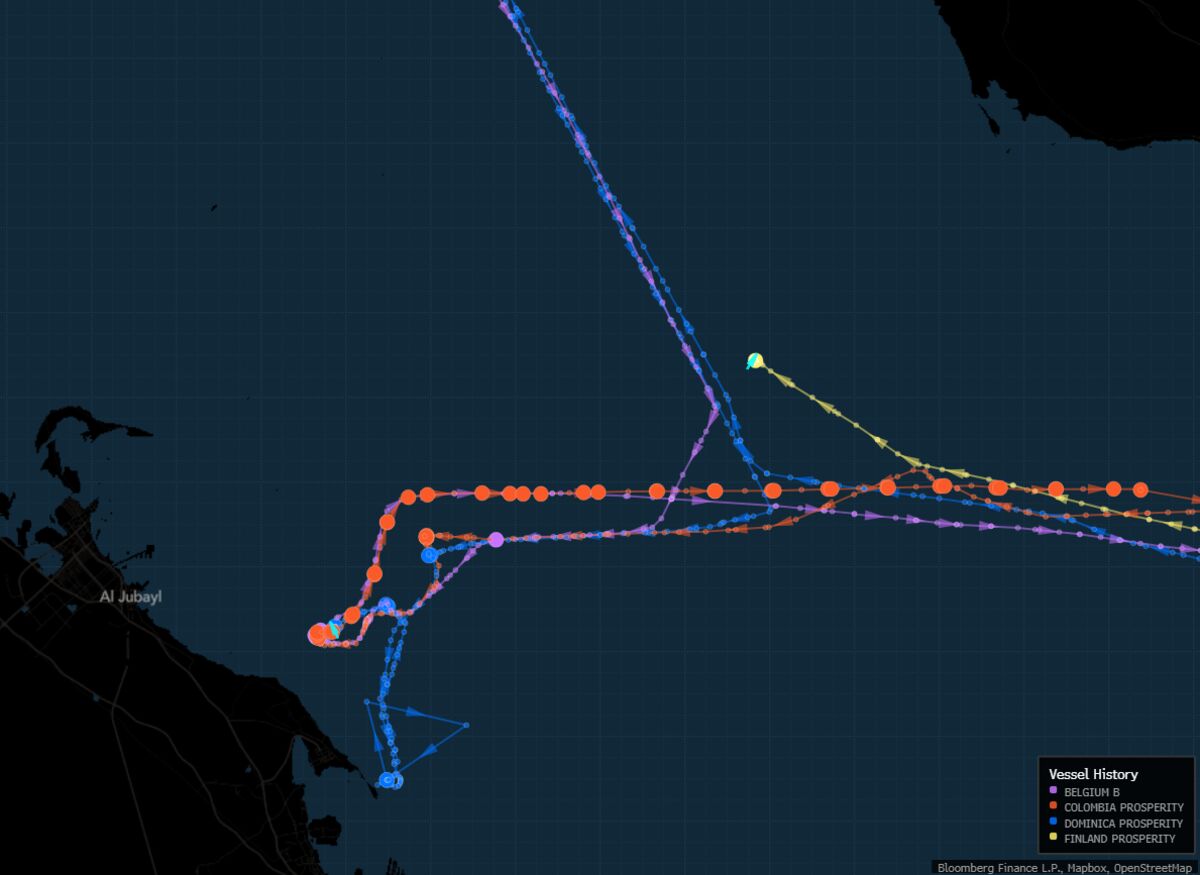
In light of escalating tensions in the Middle East, particularly between the US and Iran, the strategic positioning of oil supertankers has become a focal point of interest. Among the notable players is South Korea’s Sinokor Group, which currently has multiple vessels stationed near Saudi Arabia’s vital Persian Gulf export terminal. This scenario raises critical questions about the maritime security landscape in the Strait of Hormuz, a key transit route for oil shipments.
Implications of Geopolitical Tensions on Maritime Security
The Strait of Hormuz is one of the world’s most crucial maritime chokepoints, facilitating the transit of approximately 20% of global oil supplies. With renewed hostilities in the region, shipowners and maritime firms are closely monitoring the situation. The presence of Sinokor’s supertankers underscores the heightened caution among industry stakeholders regarding the safety of navigating these waters. As tensions rise, shipowners may reconsider their shipping routes, insurance costs, and even vessel configurations to mitigate potential risks.
The Role of Sinokor Group in Maritime Logistics
Sinokor Group, a prominent player in the shipping industry, is strategically positioning its vessels in response to the evolving geopolitical landscape. By anchoring their oil supertankers near this key export facility, Sinokor not only signals its commitment to maintaining supply chains but also highlights its adaptability to changing conditions in the region. This positioning could serve as both a protective measure and a strategic move to assure their clients of continued service amidst uncertainty.
Global Oil Supply Chain Dynamics
The heightened military activity in the Persian Gulf poses a dual threat—not only does it impact shipping routes but it also creates uncertainty in the global oil market. Fluctuations in the safe passage of vessels through the Strait of Hormuz can lead to varying oil prices and supply disruptions. As Sinokor and other shipping companies reassess their operational strategies, the ripple effects may be felt across international markets, affecting everything from fuel prices to the economic stability of oil-dependent nations.
Future Considerations for Shipping Companies
As the global landscape evolves, maritime operators must remain vigilant and responsive to geopolitical shifts. The actions of shipping firms like Sinokor reflect a broader trend among industry leaders—prioritizing safety and adaptability. Stakeholders are likely to focus more on collaboration with governmental bodies for maritime security, insurance policies that address risks associated with conflict zones, and alternate routing strategies that would minimize exposure to high-risk areas.
In summary, the positioning of South Korea’s Sinokor Group supertankers near Saudi Arabia emphasizes the intertwining of geopolitical dynamics and maritime logistics in the oil industry. As tensions in the region continue to influence market sentiment and operational risks, the shipping industry must be prepared to navigate these turbulent waters with agility and foresight. With the Strait of Hormuz being a focal point of global oil transit, the repercussions of these geopolitical developments will resonate far beyond regional borders, affecting market stability and international relations for years to come.