
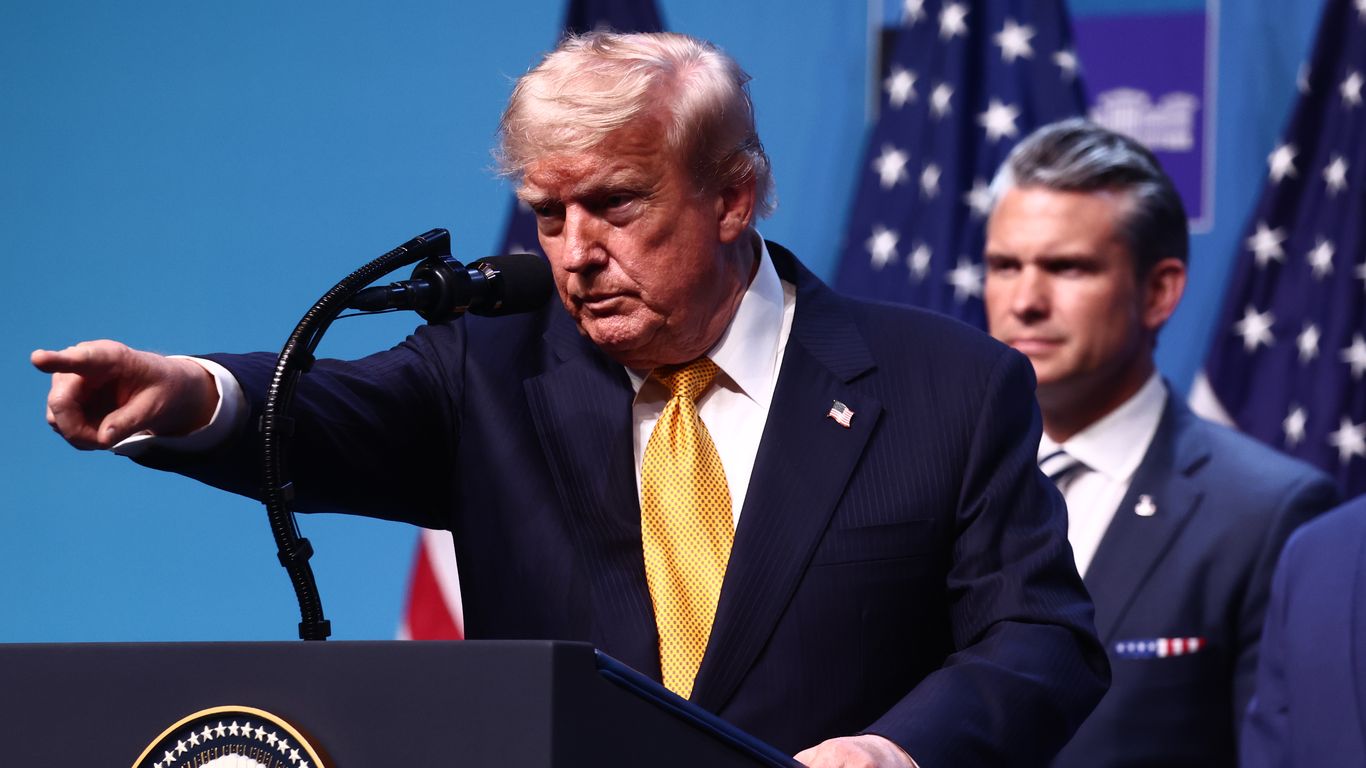
Negotiations between the United States and Iran are poised to resume soon, with a source indicating that discussions are set to take place next week. This critical dialogue holds significant implications for international relations and regional stability.
The Current State of U.S.-Iran Relations
U.S.-Iran relations have been fraught with tension for years, primarily due to disagreements over nuclear programs, regional conflicts, and human rights concerns. The Joint Comprehensive Plan of Action (JCPOA), established in 2015, aimed to curtail Iran’s nuclear ambitions in exchange for the lifting of economic sanctions. However, the U.S. withdrawal from the agreement in 2018 led to escalating hostilities and deteriorated diplomatic ties. The forthcoming negotiations attempt to address these persistent issues and explore pathways for mutual understanding.
Impacts of Negotiations on Regional Stability
The expected resumption of talks could have far-reaching repercussions for stability in the Middle East. Iran’s influence in the region, notably in Iraq, Syria, and Yemen, raises concerns among neighboring countries and global powers. A successful negotiation may help de-escalate tensions and facilitate stability, encouraging collaborative efforts to tackle shared threats, such as terrorism and extremist groups. Conversely, failure to reach a consensus could lead to increased hostilities and further regional destabilization.
International Expectations and Responses
Global reactions to the impending negotiations are mixed, with various nations closely monitoring the developments. Some countries support renewed diplomacy and seek a more robust agreement that addresses not only nuclear issues but also regional security matters. Meanwhile, other international players remain skeptical, fearing that discussions may yield insufficient results. The spotlight is on the negotiating parties as they work to re-establish trust and create a framework for future relations.
The Role of Domestic Influences in Negotiations
Domestic politics in both the U.S. and Iran may significantly influence the direction and outcomes of these discussions. In the U.S., the Biden administration’s approach reflects a desire to restore diplomatic ties and mitigate threats posed by Iran. Conversely, Iran’s internal political landscape can affect its negotiating stance. As hardliners and reformists debate the country’s priorities, the outcome may hinge on which faction holds sway in shaping Iran’s foreign policy.
In conclusion, the upcoming negotiations between the U.S. and Iran represent a pivotal moment for both nations and the international community. As the world watches closely, the outcome could determine whether a path towards diplomacy and reconciliation is achievable, or if hostilities will intensify further. The stakes are high, and the implications of these talks will not only impact U.S.-Iran relations but may also reshape the landscape of the Middle East for years to come.