
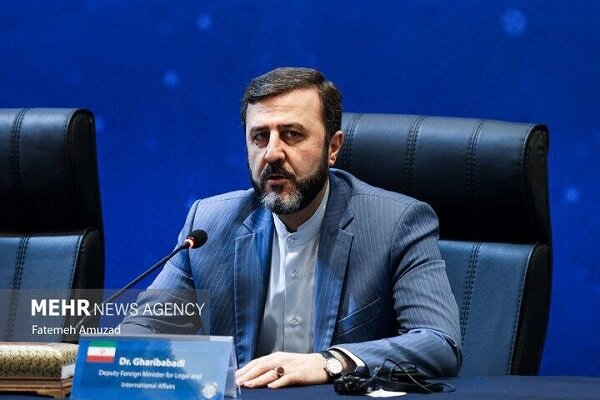
Kazem Gharibabadi recently expressed his concerns on social media regarding the US Department of Commerce’s decision to modify export control regulations related to the United Arab Emirates (UAE). This adjustment not only recognizes the UAE’s involvement in military activities against Iran but also upgrades its export status, allowing for greater access to various controlled items.
US Export Control Changes and Their Implications
The US Department of Commerce announced a significant alteration in its export rules concerning the UAE. This change has moved the UAE out of two restricted country categories, paving the way for license-free exports of military items, specific satellites, spacecraft, and dual-use goods essential for oil and gas operations, desalination, and civil nuclear projects. Such a move raises questions about the potential risks involved and the accountability of the UAE in the context of its military engagements in the region.
Gharibabadi’s Strong Critique
Gharibabadi characterized the decision as a dishonorable acknowledgment from Washington, suggesting that it imposes “direct international responsibility and legal consequences” on the UAE. He emphasized that the UAE should face repercussions for its actions, urging for accountability in light of its increasing military cooperation with the United States and Israel. His comments highlight the gravity of the situation and the broader implications for international relations in the Middle East.
The UAE’s Active Role in Regional Conflicts
Emerging reports indicate that the UAE has taken on a more significant role in military operations against Iran than previously recognized. Evidence suggests that the UAE has conducted numerous airstrikes within Iranian territory since the onset of hostilities, showcasing its active participation in the ongoing conflict. This level of engagement complicates the UAE’s standing in the international community and intensifies scrutiny regarding its military alliances and strategic objectives.
Conclusion: Future Considerations
As the geopolitical landscape evolves, the ramifications of the UAE’s upgraded export status and its active military role could have far-reaching effects on regional stability. Gharibabadi’s strong denunciation serves as a warning of the potential legal and ethical challenges that could emerge from this new framework of military cooperation. The international community is left to ponder the implications of such decisions not only for the UAE but for peace and security throughout the Middle East. Accountability must be a priority if lasting stability is to be achieved in this volatile region.