
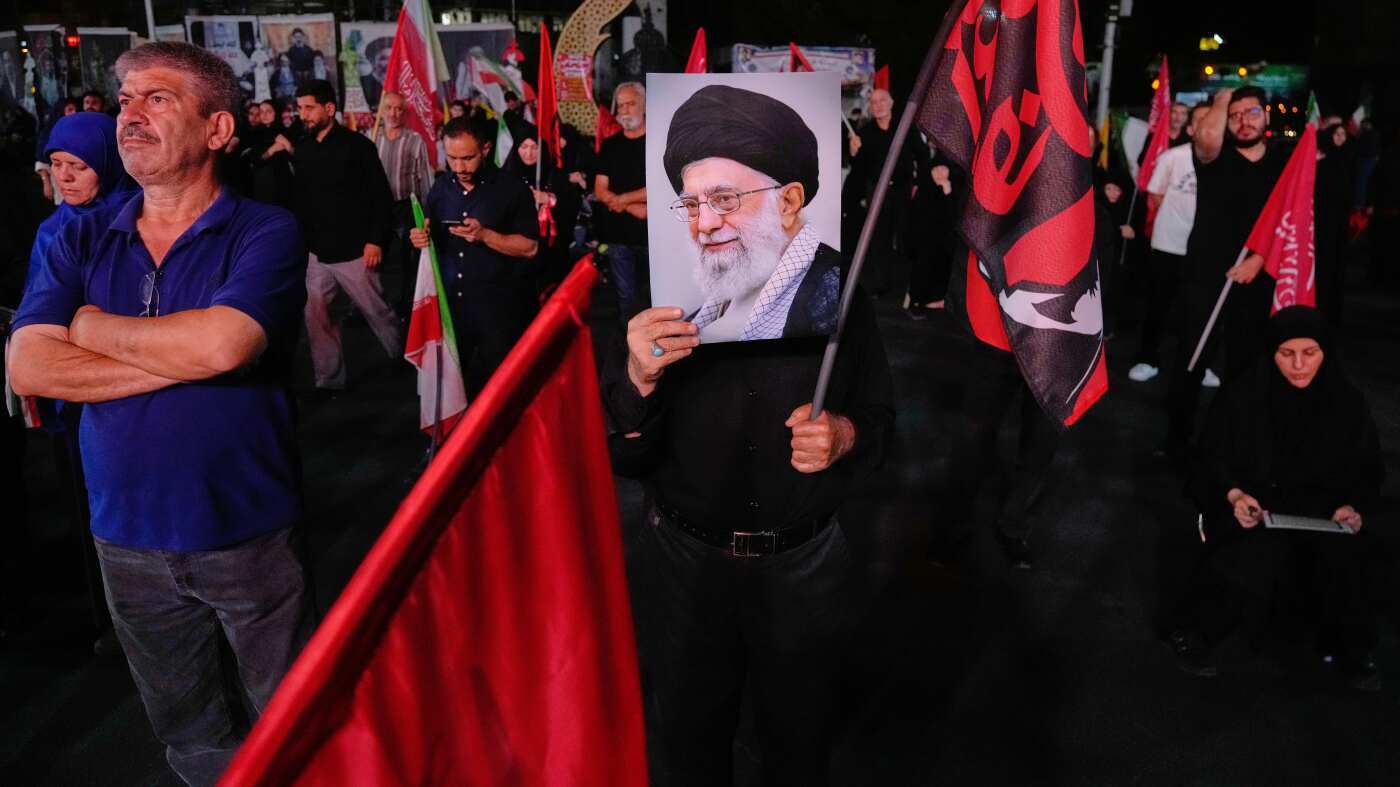
The ongoing conflict in the Strait of Hormuz has escalated dramatically, drawing the attention of international observers and impacting global markets. A recent U.S. military response followed Iranian attacks on a civilian vessel, highlighting the region’s precarious geopolitical landscape. The stakes are high as both nations grapple with the consequences of retaliatory actions.
Recent Escalations and U.S. Military Response
Early Sunday morning, the United States launched strikes against Iran in retaliation for an Iranian assault on a cargo ship in the vital Strait of Hormuz. The assault caused the ship to catch fire, compelling its crew to abandon it. Iran’s counter-offensive included missile attacks targeted at Bahrain, Qatar, and the United Arab Emirates, indicating a broader regional tension.
The Strait of Hormuz holds immense strategic significance, as it accounts for nearly 20% of global oil and natural gas trade. Prior to the conflict, the strait was a major shipping route, but Iran’s control during the ongoing war has resulted in a worldwide energy crisis. While oil prices soared to around $120 a barrel, they have notably decreased in recent weeks, largely due to shifting market dynamics and geopolitical pressures.
U.S. Central Command reported they struck over 140 targets, expanding their military focus to include missile and drone launch sites, ammunition depots, and communication facilities. The intention was clear: to diminish Iran’s capacity to launch further assaults against vessels navigating the strait. The U.S. defense posture underscores its commitment to ensuring freedom of navigation in this crucial waterway.
Wider Implications for Regional Stability
Amidst these developments, missile sirens pierced the skies in the UAE, with explosions reported in neighboring Qatar shortly thereafter. Qatar’s military confirmed they intercepted some of the missile threats, as Bahrain also activated its alerts, underscoring the escalating danger for Gulf states. The quiet yet pivotal role of the UAE, already affected by previous skirmishes, remains under scrutiny.
In a noteworthy incident, a Cyprus-registered cargo vessel was significantly damaged by the Iranian attack, resulting in a missing civilian crew member. The vessel had attempted to navigate close to Oman’s shoreline, a common tactic to avoid confrontation with Iranian forces. Iran’s Revolutionary Guard justified its actions by claiming other vessels disregarded their maritime instructions, thereby escalating the conflict.
In response to the deteriorating situation, informational discussions were held between Iranian and Omani officials. However, Iran’s stance on controlling the strait remains firm, complicating any potential diplomatic resolutions. Notably, during these talks, Iran’s newly appointed Supreme Leader reiterated vows for avenging the loss of his predecessor, further intensifying hostilities.
The International Community’s Response
This developing conflict shines a light on the fragmented international community’s approach to the Iranian crisis. While the U.S. has ramped up military involvement, questions loom over the coherence of Iran’s leadership under the new Supreme Leader. Reports suggest potential internal divisions within Iran, with some factions seemingly undermining diplomatic efforts for peace, raising concerns about sustained violence.
As the situation evolves, it remains crucial for the international community to closely monitor these developments. The possibility of further violence looms large, and the repercussions will undoubtedly affect global oil prices and stability in the Gulf region. The stakes are high, and the path forward will require a complicated balance of military readiness and diplomatic engagement to avoid igniting a broader conflict.