
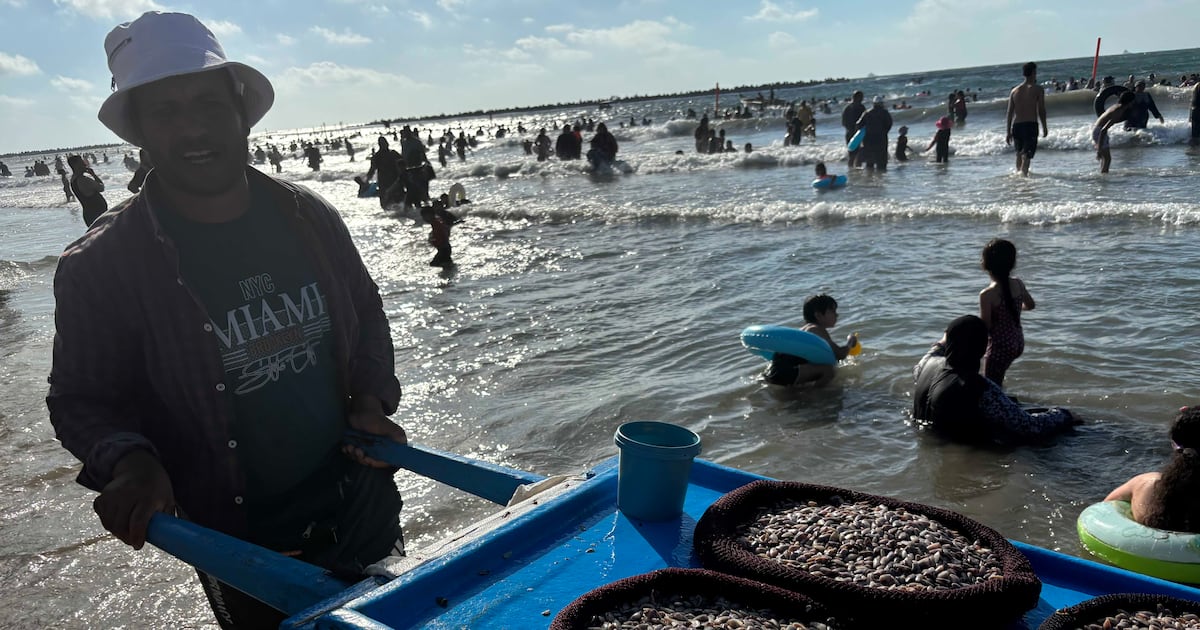
Ras El Bar, once a prestigious beach getaway, has undergone a transformation. Located along Egypt’s Mediterranean coast at the meeting point of the Nile’s Damietta branch and the sea, it now draws a more diverse crowd compared to its former elite visitors. As its reputation shifts, we explore the unique charm and challenges facing this iconic town.
A Rich History of Elegance
Historically, Ras El Bar was a retreat favored by Egypt’s elite, including King Farouq, who enjoyed summer stays before his ousting in 1952. Renowned musicians like Umm Kulthum also graced its shores, transforming simple beach gatherings into extravagant performances. The town’s allure was rooted in its stunning landscapes, where fresh river waters met the vast Mediterranean, creating an almost surreal atmosphere. As a hotspot for royalty and celebrities, Ras El Bar thrived in an age where leisure was synonymous with opulence.
The Vibrant Beach Scene Today
Today, however, the once quaint beaches bustle with life, albeit in a different way. Crowded shores replace tranquil retreats, as the beach is frequently packed with holidaymakers seeking fun and relaxation. This lively environment can be overwhelming, with little space to navigate between sunbathers. The air is filled with laughter, shouting, and the sounds of hawkers advertising everything from fake designer sunglasses to traditional Egyptian delicacies. In this vibrant marketplace, pushcart vendors weave through the crowds, offering an array of goods that range from sweets to seafood.
Yet, despite its thriving atmosphere, those seeking a peaceful escape may find themselves disappointed. Ras El Bar’s beaches are not for the faint-hearted; the din of competing voices, the mingling of various smells, and the relentless push of vendors can overshadow the charm it once held. Families hoping to unwind by the sound of gentle waves may struggle to find that serene moment amidst the lively chaos.
Socioeconomic Changes Impacting Access
The changes in Ras El Bar’s demographics reflect broader socioeconomic shifts in Egypt. Once a popular destination for the affluent, many wealthy Egyptians have migrated to more luxurious resorts along the North Coast or the Red Sea, leaving Ras El Bar to cater to a more middle-class clientele. With this migration, the gap between Egypt’s wealthy and its struggling majority has become more pronounced, rendering the town less accessible for many. High inflation and increased prices have made even a day trip to Ras El Bar a financial strain for numerous families who once visited regularly.
Rising costs for accommodation and consumables add to the burden. Many locals express nostalgia for their childhood visits when the town felt more welcoming and affordable. Today, for many, the concept of a vacation in Ras El Bar seems like a distant memory, with the crowded beaches no longer the refuge they used to be.
Enduring Appeal Amidst Challenges
Despite its challenges, Ras El Bar still holds a unique allure. Families like the Mahfouz clan continue to return, recounting fond memories of summer vacations. Their determination to visit even amid overcrowding and rising expenses underscores a deep-rooted connection to the town. Many locals choose to overlook its downsides, accepting the vibrant marketplace chaos and often polluted beaches as part of its charm.
A handful of upscale hotels still exist, attracting a small group of affluent visitors who yearn for a taste of the old Ras El Bar without engaging in the densely populated public areas. However, as time progresses, the future of Ras El Bar hangs in the balance. It continues to evolve, filled with lively energy, serving as a reminder of a bygone era while also embodying the complexities of modern Egyptian society.
Ultimately, the story of Ras El Bar exemplifies the shifting tides not just of a seaside town but of an entire nation navigating its identity amid change.