
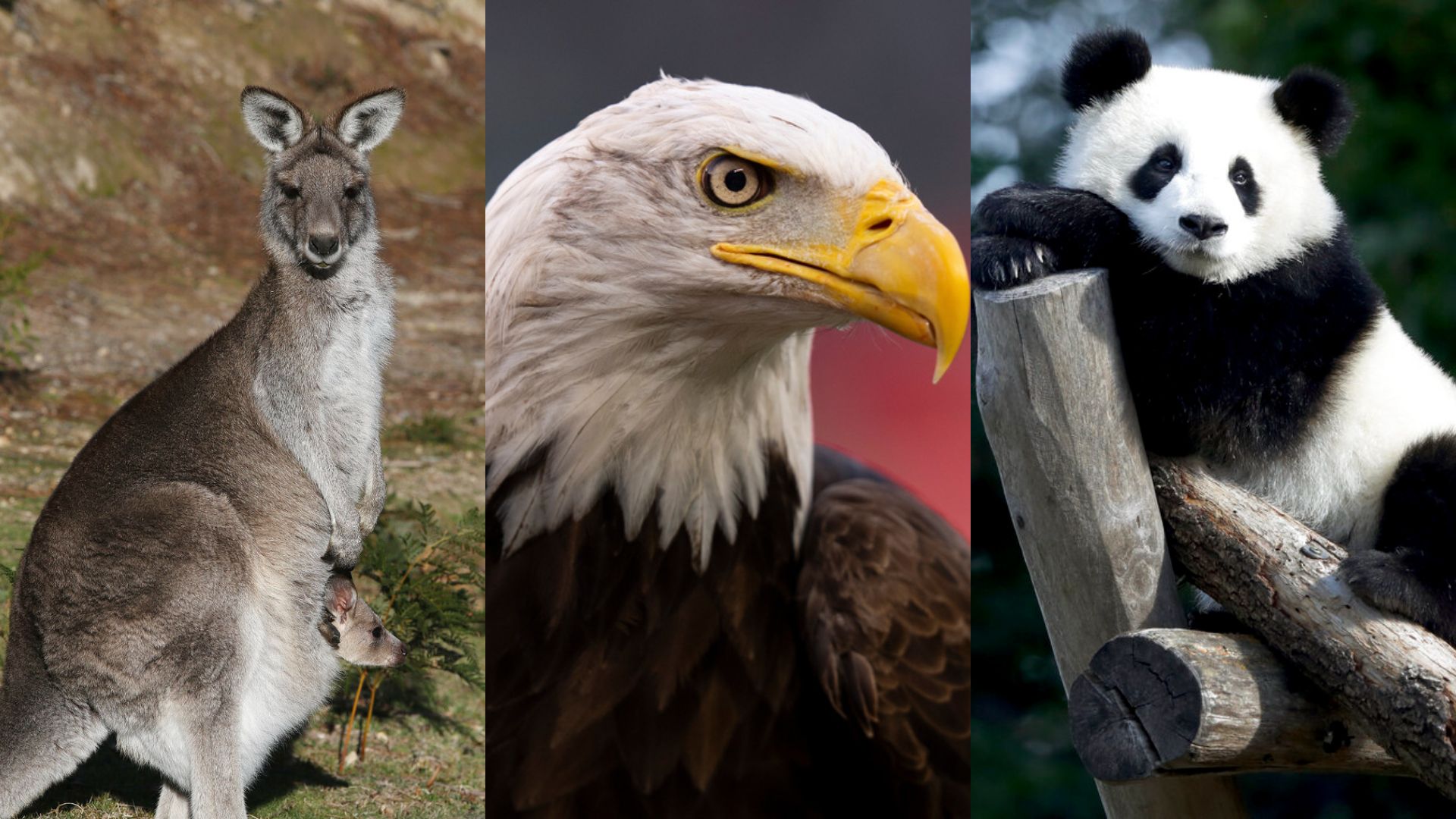
Every nation possesses a set of symbols that reflect its identity—among these are the flag, national anthem, and emblem. Yet, many countries draw even deeper connections to their history and landscape by adopting national symbols derived from nature, such as trees, flowers, and animals. In today’s world, selecting a national animal extends beyond mere representation; it encapsulates a nation’s values, traditions, and aspirations.
The Symbolism of National Animals
Countries choose their national animals not just for biological reasons but as symbols of cultural narratives. Take the bald eagle of the United States, embodying freedom and strength, while France’s Gallic rooster signifies determination and pride. India’s peacock, with its vibrant colors, represents beauty and spirituality. These selections inform not only how nations wish to be seen but also connect them to their unique environments. The kangaroo is synonymous with Australia, the giant panda with China, and the Asian elephant with Thailand, creating a strong tie between the national animal and the local landscape.
In Israel, the concept of a national animal diverges from the traditional model. Instead of a singular animal enshrined in law, multiple symbols have emerged over time, each encapsulating various aspects of Israeli culture. Notably, Israel boasts a rich array of national animals, including a bird, butterfly, snake, dog, and even a scorpion. This decentralized approach provides a multifaceted overview of what it means to be Israeli.
The National Bird: The Hoopoe
Israel’s national bird, the hoopoe, was designated during the country’s 60th-anniversary celebrations. Unlike traditional symbols that convey dominance, the hoopoe is characterized by its striking appearance and unique charm. Not only does it thrive in local gardens and fields, but its selection was the product of public engagement rather than an exclusive committee decision, showcasing the democratic spirit of Israeli society. This bird’s whimsical beauty represents an authentic part of Israel, establishing a bridge between modern identity and the natural world.
The National Butterfly: The Common Blue
In a move reflecting increasing environmental awareness, Israel has adopted the common blue as its national butterfly. This petite and delicate creature stands in stark contrast to majestic symbols typically associated with nationalism. By highlighting this butterfly, Israel emphasizes the importance of appreciating the smaller, often-overlooked contributors to its ecosystems. It signifies a commitment to conservation, illustrating how national identity can also be rooted in caring for the environment.
The National Snake: The Palestine Viper
The Palestine viper, designated Israel’s national snake in 2018, embodies a complex understanding of the nation’s environment. Though it is a venomous species, its status symbolizes a cultural acknowledgment of local biodiversity. The snake is commonly found across Israel, and adopting it as a national emblem serves to educate the public about the importance of each species in sustaining the ecosystem. In doing so, the selection promotes a message of respect and conservation, transforming fear into appreciation.
The National Dog: The Canaan Dog
Rounding out the list of national symbols is the Canaan Dog, recognized as the national dog of Israel. With a lineage tracing back thousands of years, this breed symbolizes the historical bond between humans and animals in the region. Its resilience and intelligence encapsulate the spirit of a nation that has adapted to various challenges through time. By selecting the Canaan Dog, Israel establishes a crucial connection between its archaeological heritage and modern cultural identity, highlighting the interplay of nature and community within its borders.
In summary, Israel’s approach to national symbols is unique and multifaceted. Rather than relying on a single national animal, the country presents a collection of diverse creatures that resonate with its complex societal landscape. This collection not only reflects Israel’s rich biodiversity but also showcases the myriad ways in which its communities find identity and meaning in nature. As a result, instead of a singular, abstract representation, Israel has cultivated a diverse array of symbols that tell the story of its people, culture, and environment.