
Escalating Tensions: Recent US-Iran Military Actions
The ongoing conflict between the United States and Iran has seen a significant uptick in military activities recently, leading to concern over regional stability. As the situation evolves, both nations have engaged in a series of aggressive actions, reflecting the deepening animosity between them.
U.S. Military Strikes on Iranian Targets
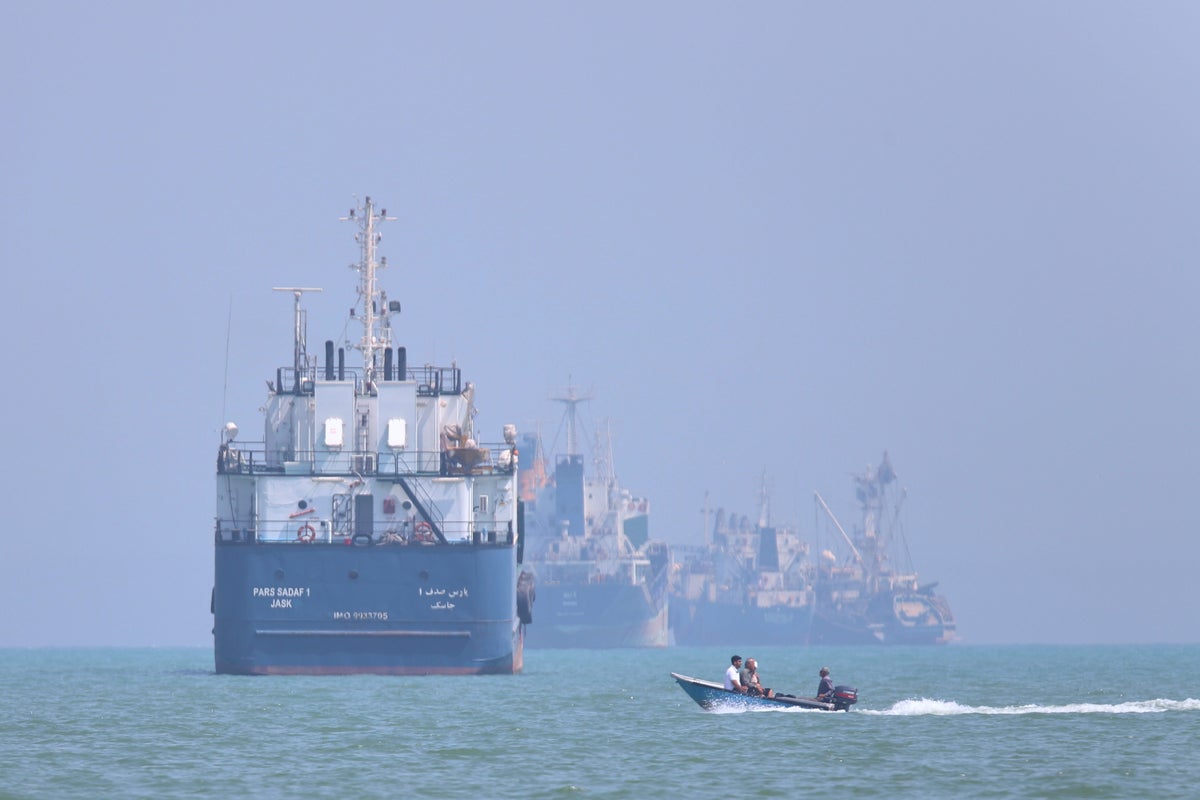
On July 12, 2026, U.S. Central Command reported that American forces had conducted extensive strikes on approximately 140 Iranian military installations. These targeted locations included missile and drone launch platforms, ammunition depots, and communication hubs located across various provinces of Iran, such as Bushehr and Khuzestan. The strikes were in direct response to an earlier incident where an Iranian attack on a Cyprus-flagged container ship in the Strait of Hormuz resulted in flames engulfing the vessel, necessitating an emergency evacuation of its crew.
This military action highlighted the escalating conflict, with U.S. officials emphasizing the necessity of these strikes as a means to protect maritime navigation and deter Iranian aggression. The U.S. military stated that their operations aimed to degrade Iran’s capacity to launch future attacks on civilian shipping and to safeguard the flow of international trade through one of the world’s most crucial maritime routes.
Iranian Retaliation
In retaliation, Iran launched missile and drone attacks targeting several countries in the region, including Bahrain, Kuwait, Qatar, and the United Arab Emirates. Reports indicated that Qatar’s armed forces successfully intercepted incoming threats, while missile alerts were issued across Bahrain, which houses the U.S. Navy’s Fifth Fleet. This cycle of violence has raised fears of an escalation into a larger regional conflict.
Iran’s military also warned that if further strikes occurred, they would consider targeting additional U.S. and allied facilities. The Revolutionary Guard’s provocative statements, including the assertion that the Strait of Hormuz would remain closed until further notice, indicate their intent to assert control over this vital waterway.
Civilian Casualties and International Concerns
The conflict has not been without civilian cost. Reports emerged confirming that three individuals, including a child, were injured due to falling debris from interception operations in Qatar. This incident underscores the potential risks to civilians amid military engagements, raising concerns among international observers about the broader implications of the conflict on regional stability and security.
Global powers remain watchful, as the events unfolding could have far-reaching consequences well beyond the Iranian and U.S. borders. Efforts by diplomatic entities to mediate peace have been severely undermined by these escalating military actions.
The Path Forward
In light of the current situation, many are questioning the viability of any peace negotiations between Iran and the United States. Statements from Iranian officials declaring that the era of one-sided negotiations is over suggest that future discussions may face significant obstacles. The international community watches closely, hoping for restraint and dialogue rather than an escalation into open warfare.
As tensions continue to mount, the prospects for a diplomatic resolution remain dim, requiring urgent attention from global leaders. The situation in the Strait of Hormuz exemplifies the delicate balance of power in the region and the dire need for concerted efforts aimed at de-escalation and stabilization.