
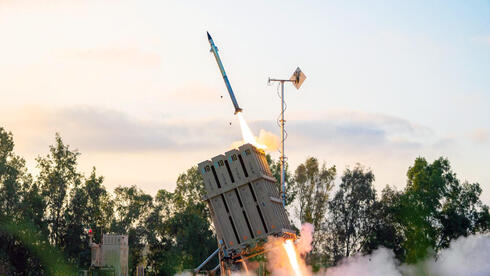
Volkswagen has encountered a significant setback in its efforts to revitalize one of its underperforming German factories. The company aimed to pivot the Osnabrück plant to manufacture components for Israel’s Iron Dome air defense system. However, this initiative has faced a roadblock after Qatari shareholders put a stop to the collaboration with Israeli defense contractor Rafael, as reported by the German publication Bild. This unexpected turn of events has raised questions about the future of the Osnabrück facility and the employment of its 2,300 workers.
Challenges Facing Volkswagen
The decision by Qatari investors highlights the complexities Volkswagen faces during a challenging period in its history. Currently, the carmaker is contending with intensified competition from Chinese automobile manufacturers, which have been steadily chipping away at its market share both domestically and globally. Compounding this issue is Volkswagen’s struggle to become a leader in the electric vehicle market. These pressures have led to significant restructuring efforts, including the painful necessity of layoffs and factory closures. Amid these challenges, Volkswagen has sought innovative solutions to utilize surplus production capacity, making the Osnabrück facility a focal point of their strategy.
The Vision for Osnabrück
Volkswagen initially viewed its Osnabrück plant as a strategic asset to be repurposed rather than shut down completely. The company’s plan involved converting portions of its production to defense manufacturing, tapping into Europe’s increasing military expenditures while securing around 2,300 jobs. The intention was for Rafael to manufacture components for the Iron Dome missile defense system within the plant. This approach was seen as a means of leveraging existing resources and workforce while navigating tough market conditions.
Opposition and Controversy
Despite the potential benefits, the proposal quickly drew backlash within Germany. Peace activists and members of the opposition, particularly from the Left Party, voiced strong objections, arguing that Volkswagen should focus on civilian manufacturing rather than engaging with an Israeli defense firm. Critics pointed to Israel’s military actions in Gaza, accusing the government of serious allegations including war crimes—claims that have been denied by Israeli officials. This sentiment represents a broader concern over corporate involvement in military endeavors, sparking a heated debate on ethical responsibilities.
The Power of Shareholders
According to reports from Bild, the conflict over this partnership extended to the shareholders of Volkswagen. Qatar’s sovereign wealth fund, which holds 10.4% of Volkswagen’s shares and 17% of its voting rights, chose to veto the collaboration with Rafael due to the Israeli connection. This decision underlines how international relationships and geopolitical considerations can significantly influence corporate strategies and operations within multinational firms like Volkswagen.
In summary, Volkswagen’s ambition to pivot its Osnabrück facility toward defense manufacturing faces bleak prospects following the Qatari shareholders’ opposition. As the company grapples with declining market share and pressures to innovate, the future of the Osnabrück plant hangs in the balance. The controversies surrounding this initiative reflect broader discussions about corporate ethics and social responsibility in an increasingly complex global landscape. The outcome will likely shape not only the plant’s future but also Volkswagen’s approach as it navigates this challenging period.