
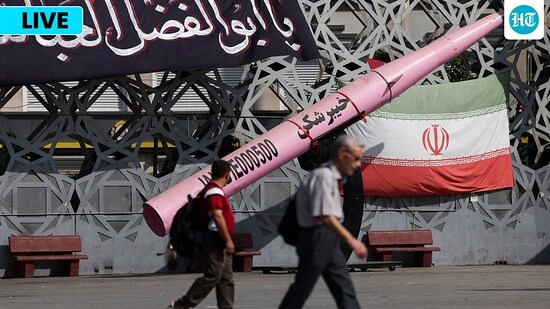
The ongoing conflict between the United States and Iran has reached a critical point, with escalating tensions leading to military strikes and significant geopolitical ramifications. Recent developments have put the Strait of Hormuz, a crucial shipping route, at the center of this confrontation.
U.S. Military Strikes and Iranian Retaliation
The United States carried out a series of retaliatory strikes against Iranian military positions, marking its third round of attacks within a week. The strikes aimed at facilities that are believed to threaten commercial shipping, particularly after Iranian forces reportedly attacked a Cyprus-flagged container ship. The U.S. Central Command confirmed that President Trump ordered these actions in light of Iran’s escalating aggression, which includes stopping cargo vessels and attacking maritime traffic. Explosions were reported in key port cities like Bandar Abbas and Bushehr, highlighting the intensity of U.S. military operations.
In response, Iran has announced the closure of the Strait of Hormuz, asserting that no vessels will be permitted to transit until foreign interference is dealt with. The Islamic Revolutionary Guard Corps (IRGC) claimed they intercepted a cargo vessel that entered the strait despite warnings. This severe measure underscores the critical importance of the Strait of Hormuz, a passage through which a significant percentage of the world’s oil supply flows.
Regional Implications and Diplomatic Concerns
The heightened bilateral tensions have not only complicated U.S.-Iran relations but also affected surrounding nations. The United Arab Emirates activated its air defense systems, showing that the conflict could expand beyond the immediate parties involved. Neighboring countries, such as Oman and Qatar, have expressed serious concerns over the potential for a broader regional conflict, leading them to reassess maritime operations and security protocols.
Oman’s foreign ministry issued a formal protest to Iran regarding the recent military activities, further highlighting the complex relationships in the Gulf region. Iran’s aggressive actions and the U.S.’s military responses have brought neighboring countries into a precarious situation where the potential for miscalculation could lead to wider hostilities.
Threats, Guarantees, and International Pressure
As the situation escalates, the Trump administration has called for firm guarantees from Iran regarding the secure passage of vessels through the Strait of Hormuz. U.S. officials have made it clear that failing to provide this assurance could lead to significant consequences. Trump’s recent statements have also intensified the rhetoric, with threats of overwhelming retaliation if any harm comes to U.S. interests.
The situation is further complicated by Iran’s assertion of its military capabilities and intentions. Iranian leaders have reiterated that the Strait of Hormuz is more crucial than any potential nuclear arsenal, emphasizing their commitment to protecting this critical waterway. This stance underlines Tehran’s strategic positioning and serves as a warning that any attempts to curtail Iranian influence in the region will be met with determined resistance.
Conclusion: A Tenuous Future
As military actions escalate between the U.S. and Iran, the future remains uncertain and fraught with danger. The strategic implications for global oil markets and international shipping are immense, stressing the importance of diplomatic solutions. The entire Gulf region may face significant instability if both sides cannot find common ground. The interplay of military actions, regional alliances, and international diplomatic efforts will be crucial in shaping the next phase of this conflict. The need for de-escalation and dialogue cannot be overstated, as further hostilities could have repercussions that echo worldwide.