
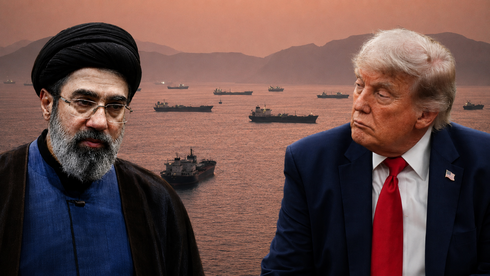
Tensions are escalating in the Persian Gulf region, prompting significant reactions from several nations regarding recent Iranian military actions. Jordan, Bahrain, and Qatar have collectively condemned Iranian strikes that targeted their territory. In a bold statement, Doha has indicated that it reserves the right to retaliate if necessary. Meanwhile, Iranian officials have made it clear that the Strait of Hormuz is of critical importance, equating its significance to that of “dozens of nuclear bombs,” and affirming their commitment to defend this vital waterway.
Regional Condemnation of Iranian Strikes
The Iranian strikes have sparked widespread concern among neighboring nations. Jordan, Bahrain, and Qatar, each with their own national security interests, have united in their condemnation. This collective stance underscores the growing unease among Gulf countries regarding Iran’s aggressive military posture. The Iranian government’s actions have raised alarms about potential escalations in conflict, which could destabilize the entire region. Each of these nations underscores its commitment to sovereignty and the protection of its territorial integrity in the face of external threats.
Qatar’s Warning and Stance on Retaliation
Qatar has taken a particularly firm stance, making it clear that it will not tolerate incursions into its territory. Officials in Doha have articulated that the nation reserves the right to respond militarily if such provocations continue. This declaration signals a shift in the Gulf’s security dynamics, emphasizing a readiness to defend national boundaries. Such statements fuel speculation about possible alliances among Gulf nations, as they confront a shared adversary. The gravity of this situation could lead to collective security measures being discussed at higher levels among these nations.
Iran’s Assertion of Strategic Importance
In stark contrast to the reactions from neighboring countries, Iranian officials have characterized the Strait of Hormuz as a region of unparalleled strategic significance. A senior Iranian leader claimed that its value surpasses that of numerous nuclear weapons. This assertion highlights Iran’s commitment to controlling this crucial maritime route, through which a significant portion of global oil supply passes. The Strait’s importance cannot be overstated, as it serves not only as a critical economic conduit but also as a strategic military point.
Implications for Gulf Cooperation and Security
This recent incident has the potential to alter the landscape of Gulf cooperation and security. As nations rally together to condemn Iranian hostility, discussions regarding military alliances and collective defense agreements may gain traction. The situation serves as a wake-up call for the Gulf Cooperation Council (GCC) to reassess its operational readiness and collaboration in light of rising tensions. Understanding the complexities of this evolving conflict will be essential for maintaining stability in a region already fraught with uncertainty.
In summary, the recent Iranian strikes and the subsequent condemnation from Jordan, Bahrain, and Qatar highlight a pivotal moment in Gulf regional politics. The potential ramifications of these developments suggest that both diplomatic and military avenues may need to be explored as countries navigate a complex web of alliances and antagonisms. The situation remains fluid, and observers will be closely monitoring the responses from the involved nations in the coming days.