
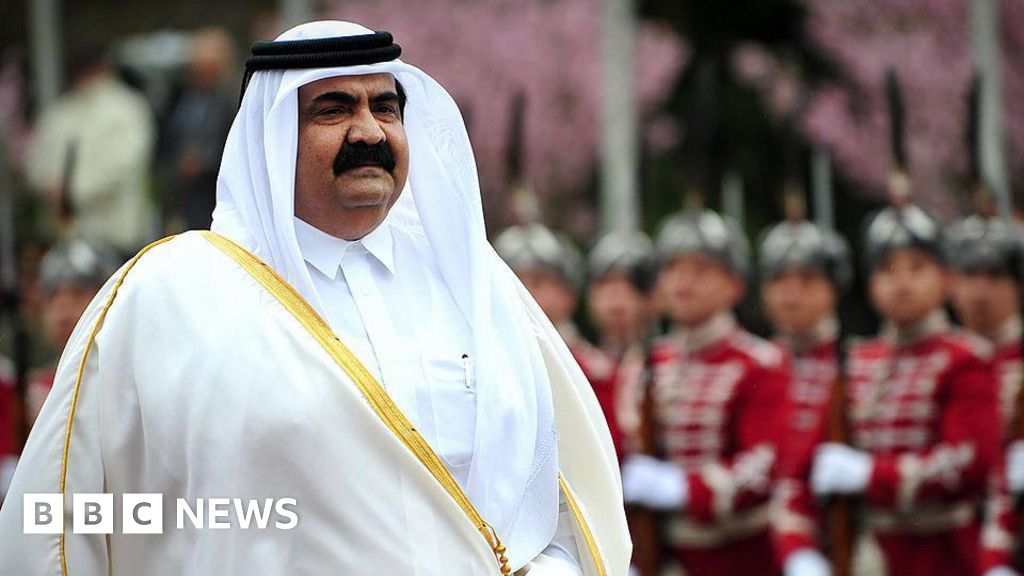
In 1996, a significant change occurred in Qatar’s leadership when a young leader seized control through a peaceful coup. This pivotal moment set the stage for the country’s dramatic transformation into a major player in the global energy market, particularly in natural gas.
The Rise of Qatar’s Leadership
Sheikh Hamad bin Khalifa Al Thani, having overthrown his father in a seamless transition of power, embarked on an ambitious journey to modernize Qatar. This leadership change was more than just a shift in authority; it marked the beginning of a new era. Under Sheikh Hamad’s guidance, Qatar began to channel its vast natural gas reserves into economic development, establishing itself as one of the richest countries per capita in the world.
Throughout the late 20th century, Sheikh Hamad prioritized initiatives that would enhance the nation’s economic standing. Investments in infrastructure, social services, and education emerged as cornerstones of his administration. By redirecting revenues from gas and oil exports, the government fostered a diversified economy, positioning Qatar as a vital player in the energy sector. His efforts laid the groundwork for the flourishing gas industry that Qatar is known for today.
Transforming the Economy through Energy
Qatar’s strategic investments have turned it into one of the leading exporters of liquefied natural gas (LNG). The country capitalized on its North Field, the world’s largest non-associated natural gas field, which significantly boosted its production capabilities. By the early 2000s, Qatar was able to secure lucrative contracts with countries across Europe and Asia, cementing its reputation as a reliable energy supplier.
The economic boom spurred by natural gas has had far-reaching effects, leading to a construction and real estate surge. Major projects such as the development of Lusail City and the expansion of Hamad International Airport exemplify the nation’s unprecedented growth. Moreover, Qatar’s commitment to innovation and sustainability is evident in its investments in renewable energy and environmentally-friendly infrastructure, aiming for a more diversified economy in the future.
Influence on Global Politics
As Qatar’s wealth increased, so did its influence on the global stage. The tiny Gulf state became a mediator in complex international disputes and an active participant in various diplomatic efforts. Its strategic alliances and support for various regional initiatives have allowed it to wield significant soft power that belies its small size. Qatar has successfully positioned itself as a crucial player in Middle Eastern politics, often acting as a neutral ground for dialogue.
The establishment of Al Jazeera, the state-funded news network, further amplified Qatar’s influence by providing a platform for varied perspectives and coverage of vital issues in the region. This initiative has not only boosted the country’s soft power but has also played a role in shaping public discourse both regionally and globally.
In conclusion, Sheikh Hamad’s ascent to power in 1996 initiated a series of changes that would bolster Qatar’s economic and political stature, transforming it into a global energy giant. The strategic utilization of natural gas resources, combined with smart investments in infrastructure and diplomacy, set Qatar on a path to not just national prosperity but also significant international influence. As the nation continues to evolve in an ever-changing global landscape, its leadership remains committed to ensuring sustainable growth and a bright future for its citizens.