
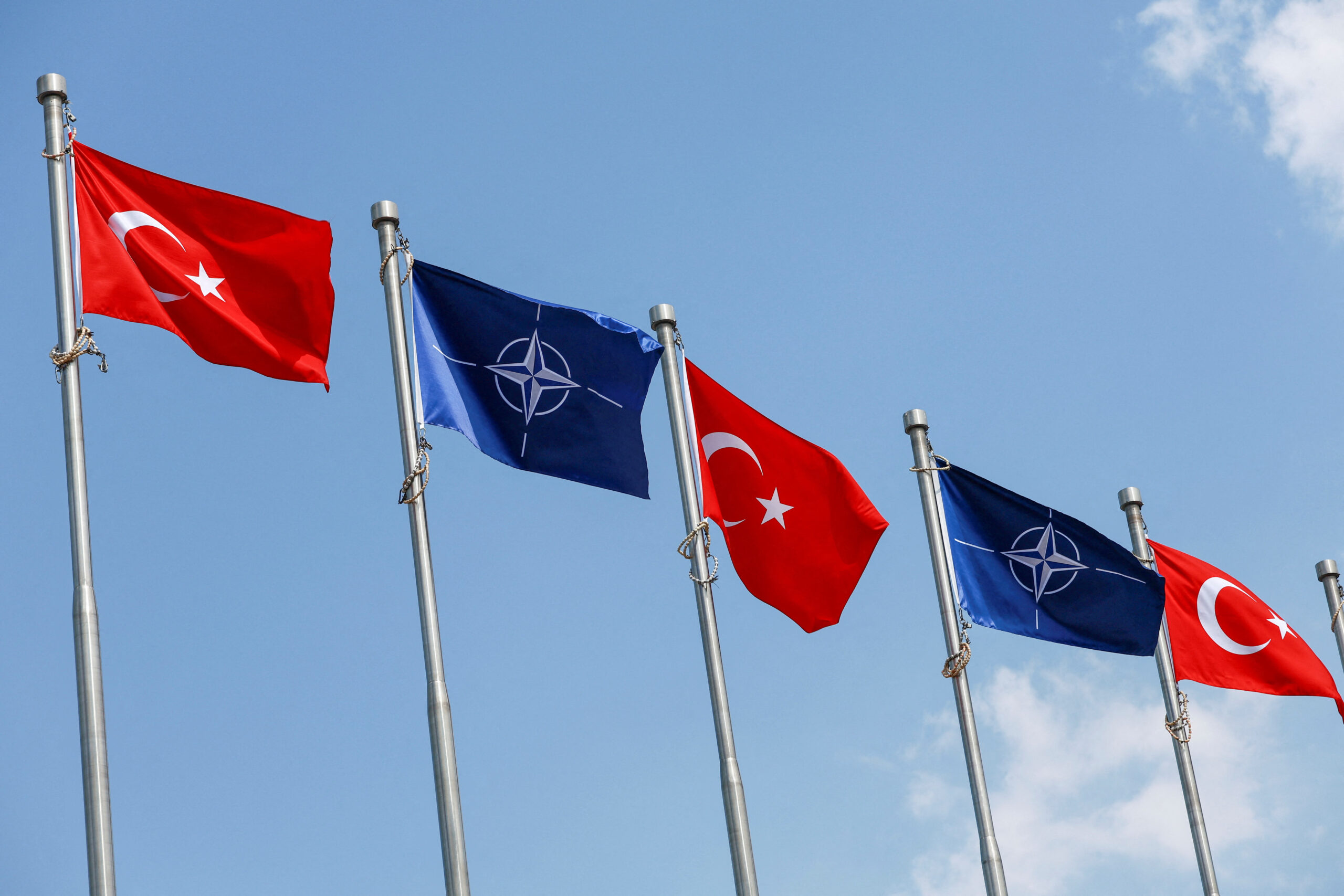
Understanding Turkey’s Transformative Role in NATO
As international dynamics shift dramatically, Turkey stands at a pivotal crossroads within NATO. Recent events, particularly the NATO Summit in Ankara, showcased Turkey’s renewed significance, both regionally and globally, amid evolving security challenges.
Turkey’s Strategic Position in NATO
Since joining NATO in 1952, Turkey has been a crucial ally, especially given its geographical proximity to potential threats. The Cold War underscored this, as Turkey hosted U.S. missile deployments aimed at deterring Soviet advances. Today, Turkey continues to play a vital role as a strategic ally, especially in response to the Russian invasion of Ukraine. Its position in the Black Sea allows it to anchor NATO’s southern flank and assert influence over regional geopolitics.
Post-2022, Turkey has reemerged in a way that aligns with its historical role: a powerful nation capable of counteracting Russian influence. With a military force that is one of the largest in NATO, Turkey doesn’t just access regional power; it also solidifies its standing on the international stage, making it an essential player in any discussions involving NATO’s future.
A Shift Towards NATO 3.0
The Ankara summit was pivotal for understanding what some are calling “NATO 3.0.” This redefined alliance emphasizes not only deterrence but also production capacity, industrial resilience, and shared responsibilities among member states. In this framework, European allies are stepping up, contributing significantly to collective defense spending. Proposals initiated during the summit, focusing on bolstering defense manufacturing capabilities and reducing trade barriers among members, highlight Turkey’s emerging relevance.
Ankara’s balancing act amid the ongoing conflict in Ukraine showcases its diplomatic finesse. While it provides aid to Ukraine, it simultaneously maintains diplomatic channels with Russia. This nuanced approach grants Turkey leverage within NATO that many other members lack. Thus, Turkey is no longer just a passive member; it is an active contributor to NATO’s strategic evolution.
Industrial and Technological Advancements
The summit also highlighted Turkey’s increasing influence in defense technology. With NATO’s Defence Industry Forum convening concurrently, Turkish defense firms are poised to play a significant role in Europe’s rearmament initiatives. The announced deals, valued at billions, span a range of critical technologies. Turkey’s experience in producing affordable and effective defense solutions positions it as a central player in an increasingly interconnected defense-industrial ecosystem.
Turkey’s leverage comes not just from being a sizable military power but from its ability to produce combat-tested technologies. President Erdoğan’s calls for inclusive procurement among allies resonate, acknowledging that European security cannot thrive while excluding significant military contributors.
The Duality of Turkey’s Role
Turkey’s renewed relevance presents a dual nature in its foreign relations. On one hand, it maintains significant ties to Hamas, complicating its relationship with the U.S. and Israel. Still, this unique connection may offer channels of influence valuable to Washington in volatile regional situations. Ankara’s ability to navigate complex relationships showcases its importance in U.S. strategies, especially in areas where Western access may be limited.
The Ankara summit illustrated an important paradox: Turkey’s growing importance in NATO is accompanied by persistent disagreements over various issues. Despite individual grievances, all NATO allies reaffirmed their commitment to collective defense. President Erdoğan emerged with renewed confidence, suggesting that Turkey is consolidating its role within NATO while simultaneously charting a more independent course.
In summary, the lessons from the summit are profound. Turkey is not simply a traditional ally, but a powerful, independent actor whose significance to NATO is heightened by current global challenges. For the U.S. and its allies, the focus must shift from merely reconciling past disputes to fostering a sustainable partnership with a Turkey poised to assert itself on the world stage.