
On the backdrop of escalating tensions between the United States and Iran, recent military actions have captured significant attention. This article delves into the implications of the U.S. strikes on Iran, focusing on the geopolitical dynamics and the economic impacts stemming from the latest developments.
U.S. Military Actions: A New Chapter in Tensions
The U.S. has intensified its military operations against Iran for the third consecutive night, marking a critical escalation in hostilities. These strikes are part of a broader strategy aimed at deterring Iranian influence in the region, especially concerning its nuclear ambitions and support for proxy groups across the Middle East. As President Trump announced a 20% tariff as part of the new blockade on the Strait of Hormuz, the stakes have risen dramatically, underlining the U.S. commitment to countering what it perceives as threats to its national security and regional stability.
This renewed military engagement signifies a shift in U.S. foreign policy, moving away from previous diplomatic efforts in favor of a more aggressive approach. Such a strategy aligns with the administration’s broader goal of ensuring that Iran does not expand its influence further throughout the region. By threatening punitive economic measures in conjunction with military action, the U.S. is sending a clear signal that it will take decisive steps to safeguard its interests.
The Economic Ramifications of Military Strikes
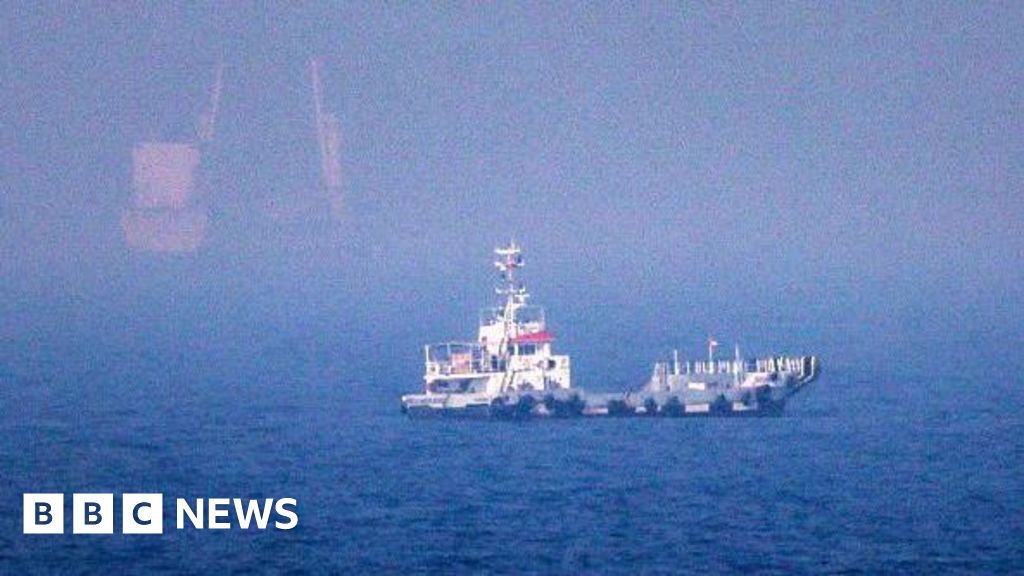
The recent military actions are expected to have significant economic implications, not just for the involved parties but also for the global economy. The enforcement of a blockade in the Strait of Hormuz—a vital maritime chokepoint for global oil transport—could lead to increased oil prices and supply disruptions. The region is responsible for a significant portion of the world’s oil supply, and any disturbance in this area can cause rippling effects on international markets, leading to economic instability.
Moreover, the imposition of a 20% tariff on Iranian goods is anticipated to provoke retaliatory measures from Iran, further escalating the existing trade tensions. This new economic blockade aims to weaken Iran’s economy, thereby curbing its ability to finance military operations and support proxy groups, which the U.S. sees as destabilizing factors in the region. As both countries navigate this fraught landscape, anticipating the broader economic fallout will be crucial for global stakeholders.
International Reactions and Future Implications
The international community is closely monitoring these developments, as allies and adversaries alike reassess their positions. Countries in the Middle East, particularly those neighboring Iran, are likely to feel the immediate effects of heightened military actions and economic sanctions. Nations like Iraq and Saudi Arabia are cautiously observing the U.S. strategy while contemplating their own security and economic interests.
Additionally, this situation may compel other global powers, such as Russia and China, to reassess their diplomatic engagements with Iran. Both nations have historically aligned with Iran against U.S. hegemony, and any shift in Iranian capabilities could prompt a reevaluation of their strategic partnerships in the region. The implications for international diplomacy are profound, potentially leading to new alignments as various actors respond to shifting power dynamics.
As tensions continue to mount, the world watches with bated breath. The U.S. strikes on Iran signal not just a new phase of conflict but also a complex interplay of economic, military, and diplomatic factors that will shape the future of the region and beyond. Through strategic calculations and responses, the ongoing situation holds significant weight for both regional stability and global economic health.