
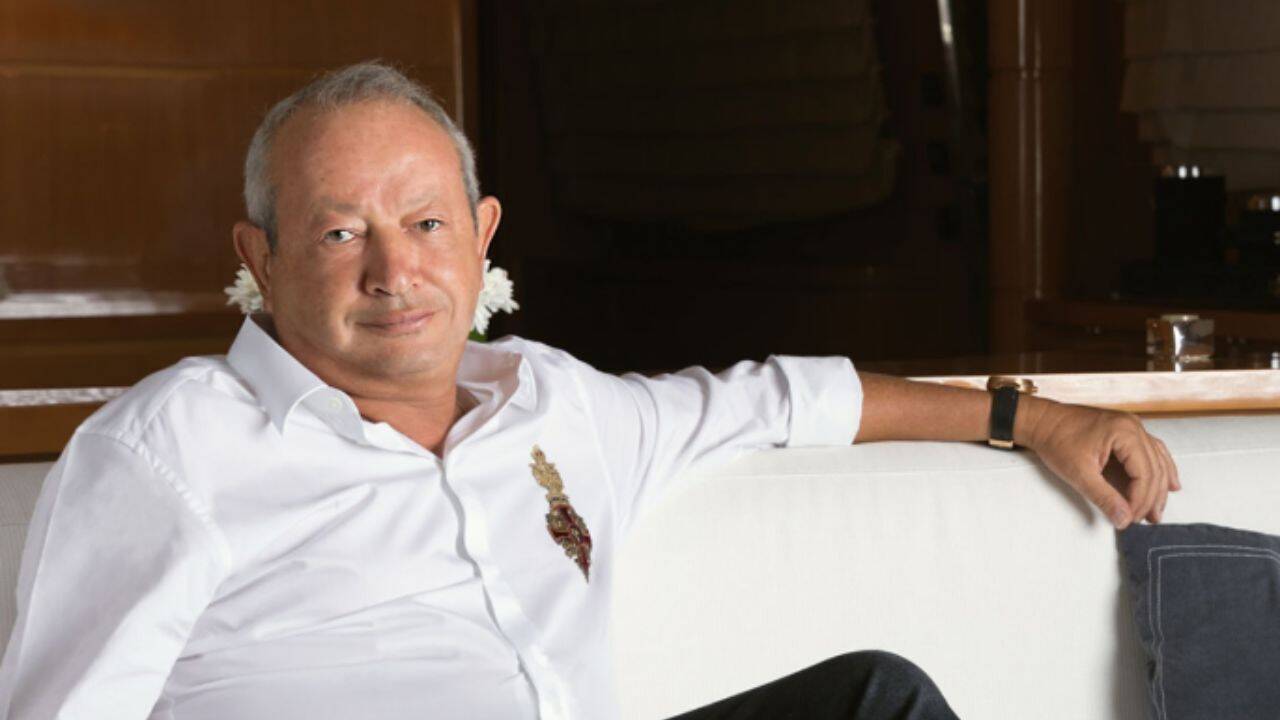
Egyptian billionaire Naguib Sawiris is making headlines again as he invests an additional 500 million Egyptian pounds (approximately $10 million) into the redevelopment of the Giza Plateau. This ambitious project aims to transform this iconic site into a year-round venue for concerts, sporting events, and high-end tourism experiences. With this latest funding, the total investment from Orascom Pyramids Entertainment has surged to approximately 2 billion Egyptian pounds (about $41 million), underscoring the project’s scale and importance in revitalizing Egypt’s tourism sector.
Transformative Investments for a Historic Site
The redevelopment efforts commenced in 2018, following a public-private partnership established between the Egyptian government and Orascom Pyramids Entertainment. With a vision to enhance the visitor experience at the Giza Plateau—home to the Pyramids of Giza and the famed Great Sphinx—the initiative was launched to capitalize on Egypt’s recovering tourism market. Sawiris, a member of one of Egypt’s wealthiest families, previously amassed his fortune in telecommunication and is now at the helm of initiatives that look to elevate Egypt’s status as a premier travel destination.
Building Modern Amenities
With the latest investment, the project plans to introduce 30 electric hop-on, hop-off buses and erect a 15,000-seat open-air sports venue. Amr Gazarin, the Executive Chairman of Orascom Pyramids, emphasized that the company still has a decade left in its agreement with the Egyptian government to enhance the site’s visitor experience further. Unlike many tourism-driven projects, the Egyptian government retains all revenues generated from entrance fees to the pyramids. However, Orascom will benefit financially from VIP tours, restaurants, commercial leases, sponsorships, and event hosting. Gazarin estimates that concerts and sporting events could yield up to 200 million Egyptian pounds (roughly $4.1 million) in 2023, with hopes of achieving financial equilibrium by 2027.
Tourism on the Upswing
This latest investment aligns perfectly with the broader rejuvenation of Egypt’s tourism sector, which welcomed around 19 million visitors in 2025, making it Africa’s second most-visited country, trailing only Morocco. The government aims to attract 20 million tourists by 2026, and significant progress is already visible, as over 9 million visitors arrived during the first half of the year. Before redevelopment, the Giza Plateau attracted approximately 2.5 million tourists annually; Orascom has set a goal to double that figure to 5 million in the near future.
The Significance of the Giza Plateau
Located about 13 kilometers southwest of Cairo’s city center, the Giza Plateau houses the Great Pyramid of Khufu, alongside those of Khafre and Menkaure, as well as the Great Sphinx. Constructed during Egypt’s Fourth Dynasty between 2600–2500 BC, the Giza Plateau remains one of the most critical archaeological sites globally. It encompasses ancient temples, burial sites, and smaller pyramids dedicated to royal family members. As archaeologists continue to unveil new findings, the plateau holds a treasure trove of history, recognized as part of UNESCO’s World Heritage Site, “Memphis and its Necropolis,” and remains a cornerstone of Egypt’s massive tourism appeal.
In conclusion, the ambitious plans at the Giza Plateau highlight a significant step toward modernizing Egypt’s cultural landmark while catering to the influx of tourists eager to experience its rich history and vibrant activities.