
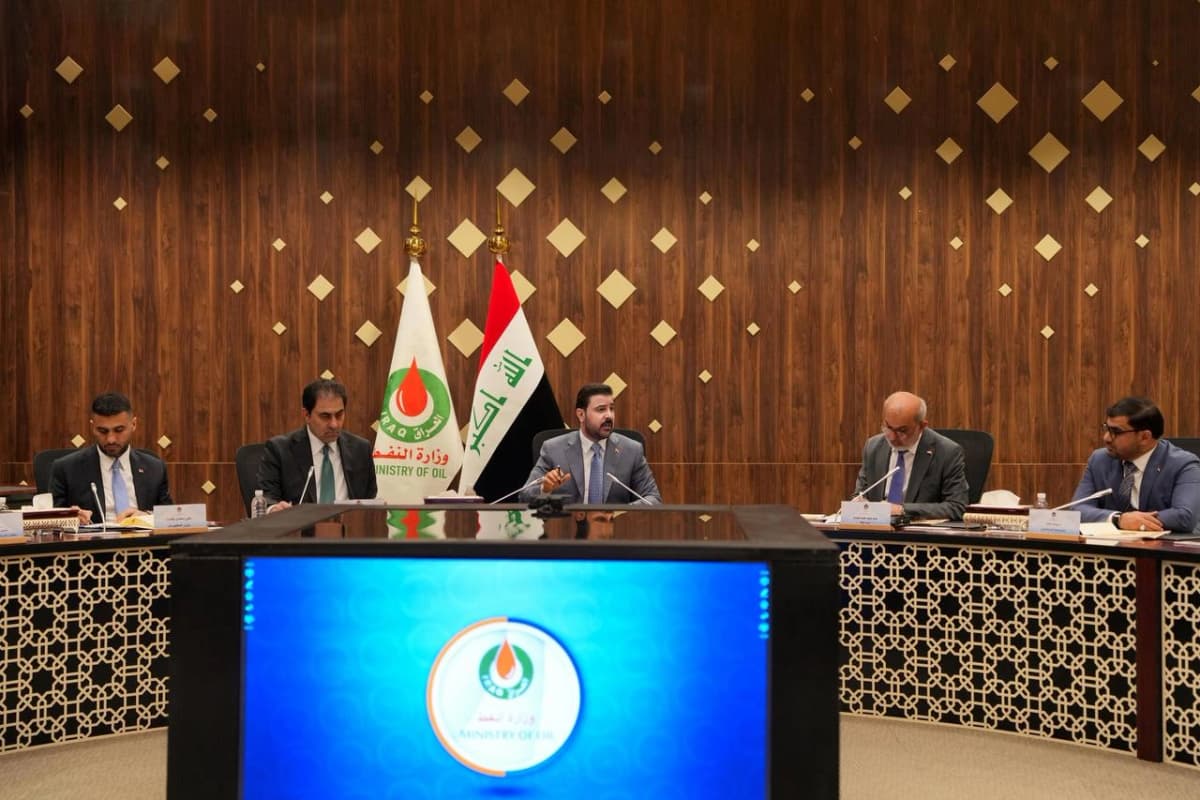
In recent developments, Iraq’s oil exports have witnessed a significant increase, surpassing 3.4 million barrels per day (bpd) in October. This surge in figures is noteworthy as it closely approaches pre-war levels, indicating a recovery from previous disruptions. Iraqi oil officials believe this rebound is crucial for restoring national revenues after months of instability due to shipping interruptions through the Strait of Hormuz.
Current Export Trends
According to Basim Mohammed Khudair, Iraq’s oil minister, the country has managed to enhance its oil export capacity, channeling substantial volumes through various routes including the Strait of Hormuz and Turkey’s Ceyhan port. The minister emphasized that the oil marketing body, the State Organization for Marketing of Oil (SOMO), has been instrumental in this effort, enabling a jump from three million bpd in September to over 3.4 million bpd in October. This increase is part of a broader strategy to stabilize and grow Iraq’s oil revenues, essential for governmental operations and public expenditures.
Strategies for Boosting Exports
Iraq’s oil ministry has implemented a series of strategic measures aimed at revitalizing the oil sector. These initiatives include expanding export capabilities and diversifying transport routes to circumvent disruptions caused by geopolitical tensions. Khudair indicated that the government is focused on developing alternative shipping channels, such as transporting oil through Syria, which had become increasingly vital. By adopting more flexible sales arrangements, Iraq aims to minimize risks associated with shipping through critical maritime routes.
Impacts of Geopolitical Events
The recent recovery also follows a challenging period marked by a significant decline in oil exports due to geopolitical unrest, particularly after the onset of the US-Israeli war against Iran in February. The conflict severely impacted shipping operations, with exports plummeting from over 99 million barrels in February to just 18.6 million barrels by March. In light of this turmoil, the Iraqi government has focused on diversifying its export routes, allowing for a more resilient oil economy that can weather future crises.
Future Outlook and Government Initiatives
Prime Minister Ali al-Zaidi has publicly called for enhanced oil production capacity, reflecting a commitment to utilizing oil revenues for national development needs. The government is pursuing vital reforms to not only enhance production but also investigate any corruption or negligence hindering growth in the oil sector. The establishment of an integrity commission to oversee these issues marks a proactive step in ensuring accountability and fostering a conducive environment for growth.
As Iraq moves forward, the country plans to maintain this momentum in oil exports, aiming to restore its status as a key player in the global oil market. By enhancing its production capacity and diversifying transport methods, Iraq is positioning itself to better navigate the complexities of international trade while maximizing its natural resources for national and economic development.