
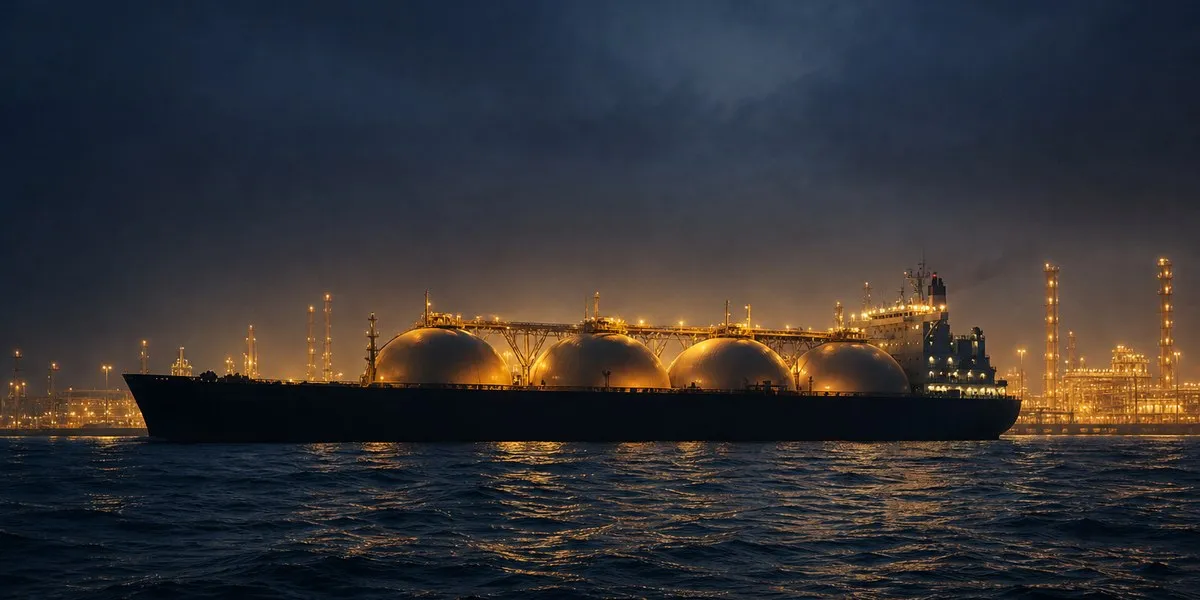
Qatar is currently grappling with the repercussions of escalating tensions in the Middle East, particularly due to the ongoing conflict between the United States, Israel, and Iran. Saud bin Abdulrahman Al Thani, Qatar’s Deputy Prime Minister and Defense Minister, recently addressed concerns at the Global Security Forum in Doha, stating that the energy crisis triggered by this conflict has not yet peaked. He emphasizes the potential for worsening conditions impacting energy supplies, international trade, and global economic growth.
Impending Energy Supply Risks
Al Thani expressed grave concerns that the energy sector might face significant challenges in the forthcoming days and months. He specifically pointed to the Strait of Hormuz, a critical transit point for oil and liquefied natural gas. The instability in this region poses a substantial risk to global energy supplies. This situation was further exacerbated when Iranian forces conducted retaliatory strikes in response to U.S. and Israeli attacks, with notable damage occurring at Qatar’s Ras Laffan industrial complex. Experts estimate that the facilities there may take several years to fully repair.
Moreover, Al Thani criticized the idea of implementing a fee for ships navigating the Strait of Hormuz, warning that such measures could create uncertainty that ultimately affects consumers worldwide. The stability of this maritime route is essential not only for Qatar but also for the global energy market, amplifying the implications of any interventions or disruptions.
Ongoing Engagements with Tehran
Despite the rising tensions and attacks, Qatar has maintained communication channels with Iran. Al Thani referred to Iran as a neighbor, with both nations sharing an offshore gas field and enjoying longstanding economic ties. He expressed hope that diplomatic efforts led by Qatar, along with support from Pakistan and Oman, will foster a dialogue that includes not just the U.S. and Iran but also other key players like Israel. Al Thani believes that a lasting resolution hinges on inclusive discussions involving the Gulf Cooperation Council states, Pakistan, and Türkiye, in conjunction with their international partners.
Strengthening Defense Partnerships
In light of these developments, Al Thani highlighted the importance of Qatar’s defense collaboration with the United States. He noted that this partnership has successfully mitigated over 90% of potential attacks, owing to combined military expertise accumulated over the past several decades. Qatar continues to enhance its Al Udeid Air Base, which serves as a hub for U.S. military forces and other allied nations.
Furthermore, Al Thani hinted at a forthcoming announcement regarding a new regional defense partnership that focuses on air defense, countering drone threats, and cybersecurity. While he refrained from detailing the names of the involved partners, the anticipation surrounding this initiative underscores Qatar’s proactive approach to fortifying its defense infrastructure amid regional volatility.
The geopolitical landscape in the Middle East remains intricately connected to global energy markets and security frameworks. As Qatar navigates these challenges, the country’s ability to maintain stability will be crucial for both its national interests and international economic relations.