
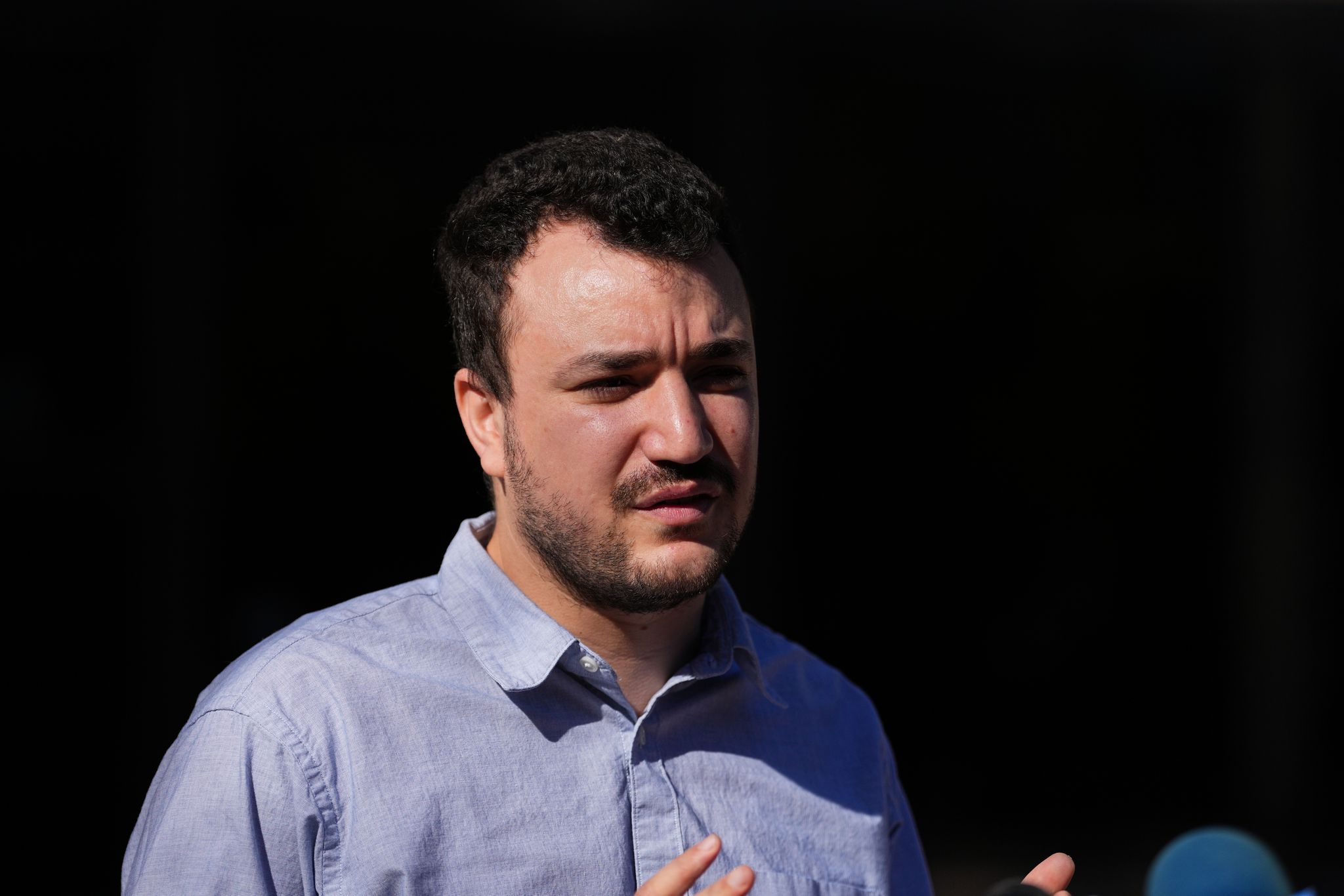
Mahmoud Khalil has initiated legal action against the federal government and various private organizations, alleging their involvement in a conspiracy to stifle pro-Palestinian advocates. He claims that this campaign included tactics such as doxing, imprisonment, and attempts to deport those who criticize Israel.
Lawsuit Overview
The lawsuit, filed in federal court, outlines a concerted effort involving high-ranking officials from Donald Trump’s administration, as well as leaders of the Heritage Foundation and two surveillance organizations: Canary Mission and Betar. Khalil’s legal representatives argue that this “public-private partnership” may breach the Ku Klux Klan Act, a historical law aimed at preventing government collaboration with private militia groups. This accusation echoes findings from a previous trial that have raised concerns about the government’s encroachment on civil liberties.
Khalil’s Background and Activism
At just 31 years old, Khalil emerged as a significant voice among student activists at Columbia University, advocating against Israel’s actions in Gaza. His activism attracted considerable attention, transforming him into a prominent figure within the pro-Palestinian movement. Following a swift arrest by U.S. Immigration and Customs Enforcement (ICE) agents in March 2025, Khalil became a symbol of the Trump administration’s stringent policies toward pro-Palestinian protests. His charges and the circumstances surrounding his arrest have sparked intense debate over the government’s approach to dissent.
Detention and Legal Proceedings
Khalil was held for 104 days in a Louisiana immigration detention facility, a period during which he missed the birth of his first child. His case has moved rapidly through immigration courts, which are often perceived as biased due to their alignment with executive branch priorities. A federal judge in New Jersey eventually ordered his release, but the deportation case continues to progress and could potentially be escalated to the U.S. Supreme Court.
Addressing Allegations of Antisemitism
Throughout this ordeal, Khalil has consistently refuted allegations that his activism equates to antisemitism. He argues that his stance is rooted in opposition to using public funds for military operations perceived as unjust and harmful. “My beliefs are not about wanting my tax money or tuition going toward investments in weapons manufacturers for a genocide,” he stated in an interview with The Associated Press. Khalil’s commitment to his cause highlights the complexities and emotional weight surrounding contemporary discussions about Israel and Palestine.
This case not only sheds light on the legal battles faced by activists but also underscores a broader conversation about freedom of speech, governmental influence, and the societal implications surrounding pro-Palestinian activism in the current geopolitical climate.