
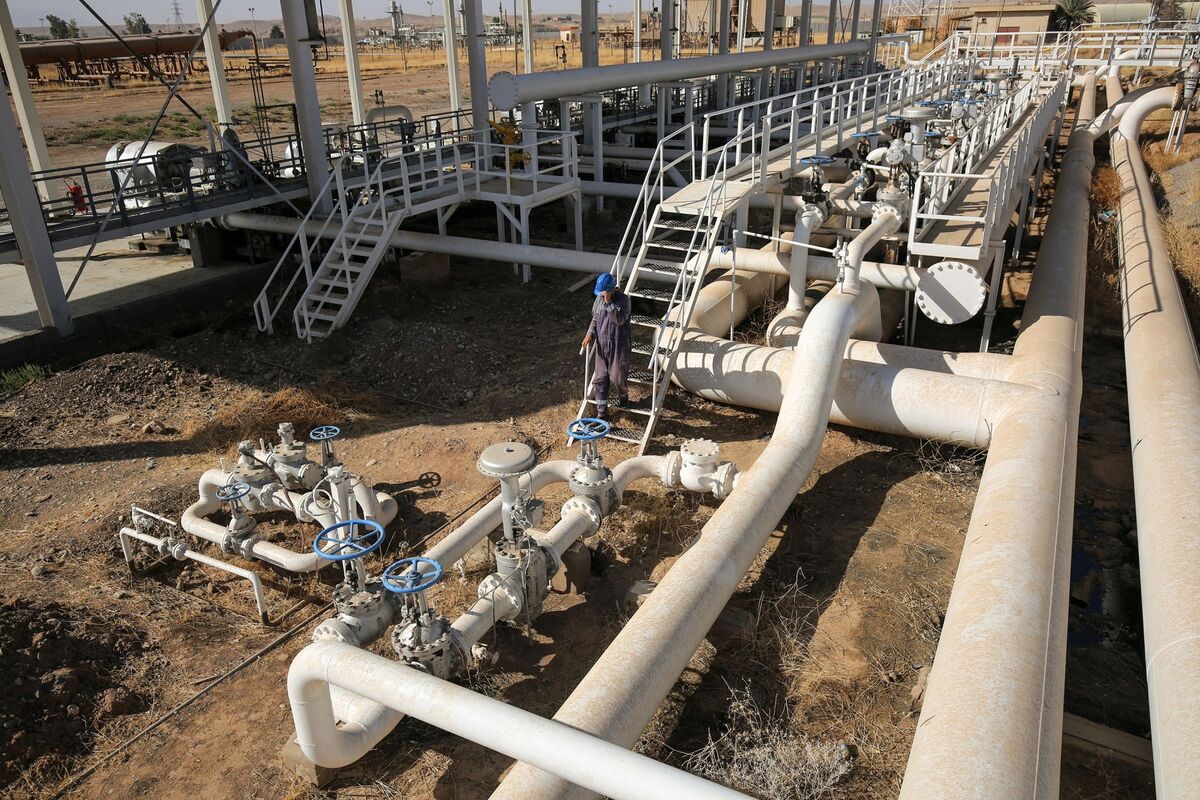
The United States is initiating discussions on a significant pipeline project aimed at transporting oil from Iraq to Syria. This initiative seeks to create a route that bypasses the critical Strait of Hormuz, which is essential for global oil transportation, thereby diminishing Iran’s potential influence over international energy supplies.
The Significance of the Pipeline
Establishing this pipeline is crucial for multiple reasons. First, it provides a strategic alternative for the transportation of oil in a region often fraught with geopolitical tensions. By circumventing the Strait of Hormuz, the pipeline could drastically enhance the security of global oil shipments. The Strait is notoriously vulnerable to blockades and military actions, which can disrupt not only oil supplies but also incite broader conflict.
Moreover, the pipeline would aid Iraq in maximizing its oil export capabilities, thus bolstering its economy. With reserves among the largest in the world, Iraq has immense potential to supply oil, but inefficient transportation routes have hindered its growth. The proposed pipeline could unlock this potential, benefiting not only Iraq but also consumers worldwide who rely on oil imports.
Reducing Iran’s Influence
Another significant advantage of this pipeline is its potential to limit Iran’s control over the energy market. Iran has long utilized its strategic position near the Strait of Hormuz to exert influence over neighboring countries and international trade. By providing an alternative route, the U.S. and its allies could reduce Tehran’s leverage, promoting more stability in the region. This shift in power dynamics may also encourage other Gulf nations to diversify their energy transport routes, further diluting Iran’s grip on regional oil supplies.
In addition, a successful implementation of this project could position the U.S. favorably in the geopolitics of the Middle East. By supporting Iraq and Syria in developing their energy infrastructure, the U.S. would strengthen its alliances in the region while countering adversarial forces that seek to dominate oil transit.
Impact on Global Energy Markets
The establishment of this pipeline could have far-reaching implications for global energy markets. As more oil flows from Iraq directly to Syria and potentially to Europe and Asia, this would reshape supply chains and alter pricing dynamics. Increased efficiency in oil transport could lead to lower prices for consumers, fostering economic stability in oil-dependent nations.
Additionally, diversifying sources of oil supply will be crucial for mitigating risks associated with geopolitical instability. Increased reliance on a singular route or producer can lead to supply shocks, drastically affecting global prices. A new pipeline linking Iraq to a more stable Syrian outlet would serve to buffer these risks, providing countries with more reliable energy access.
In summary, the ongoing U.S. negotiations for an Iraqi oil pipeline to Syria represent a significant step in altering the energy landscape of the Middle East. By creating a new route, the U.S. aims not only to enhance the economic prospects of Iraq but also to diminish Iran’s influence over global energy supplies. This initiative could ultimately reshape market dynamics and provide more stability for consumers relying on Middle Eastern oil.