
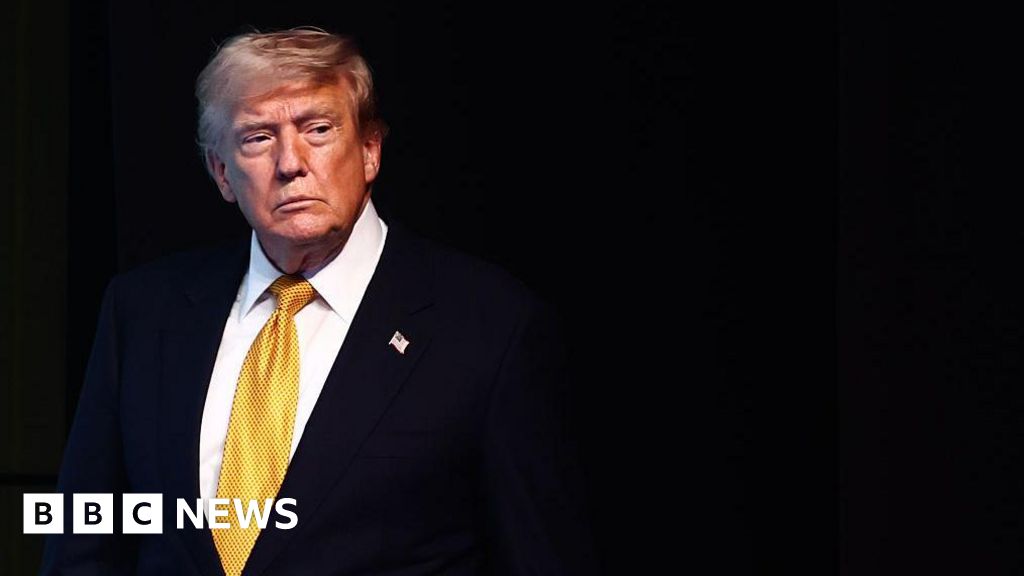
Former President Trump and Iranian leaders are currently navigating a situation that seems all too familiar. The Iranians are confronting renewed military actions from the United States across their territory, highlighting their ongoing challenges in safeguarding their national sovereignty. As the stringent blockade is reinstated, the nation’s vital oil revenues—the key financial support for the Iranian regime—are being significantly curtailed once more.
Resurgence of Military Tensions
The reemergence of military confrontations represents a critical juncture in U.S.-Iran relations. Iranian forces are facing not only assaults on their territory but also the daunting task of countering a far superior military presence. This strategic landscape puts Iran in a precarious position, both politically and economically, as the nation’s military actions are scrutinized on an international stage. The adversarial relationship continues to provoke reactions from both sides, ushering in a renewed cycle of hostilities.
The Economic Impact of Sanctions
The reinstatement of the blockade has far-reaching implications for Iran’s economy. Oil revenues, a crucial component for funding government operations and maintaining social stability, are being severely impacted. This influx of foreign currency has been progressively diminished, leading to increased economic hardships for the Iranian populace. As the government struggles to navigate this financial crisis, the Iranian regime’s ability to maintain power and control is being threatened, prompting fears of domestic unrest and social upheaval.
The Quest for Sovereignty
For Iran, the issue of national sovereignty remains paramount. The consistent military interventions and blockades pose not just economic challenges but also identity and existential threats. Iranian leaders argue that their territorial integrity is non-negotiable, and any encroachment from foreign powers elicits strong public sentiment and demands for a robust defensive posture. This struggle for sovereignty intertwines with a broader narrative of national pride that resonates deeply with the Iranian public, influencing both domestic policy and foreign relations.
The Path Forward
As both Trump and Iranian leaders grapple with the unfolding crisis, a potential path forward remains uncertain. Diplomatic channels must be pursued to mitigate the tensions and create avenues for dialogue. While the imposition of sanctions may aim to exert pressure, history suggests that such measures often incite resistance rather than compliance. As the Iran situation evolves, the need for a balanced approach that considers both military and diplomatic solutions becomes increasingly essential for long-term stability in the region.
The ongoing tensions between the U.S. and Iran are emblematic of broader geopolitical struggles and underscore the intricate dynamics of international relations. As both nations find themselves entrenched in a cycle of conflict and retaliation, the hope for lasting peace and cooperation hinges on their willingness to engage in constructive dialogue and seek mutual understanding, a task that has proven to be incredibly complex due to historical grievances and conflicting interests.