
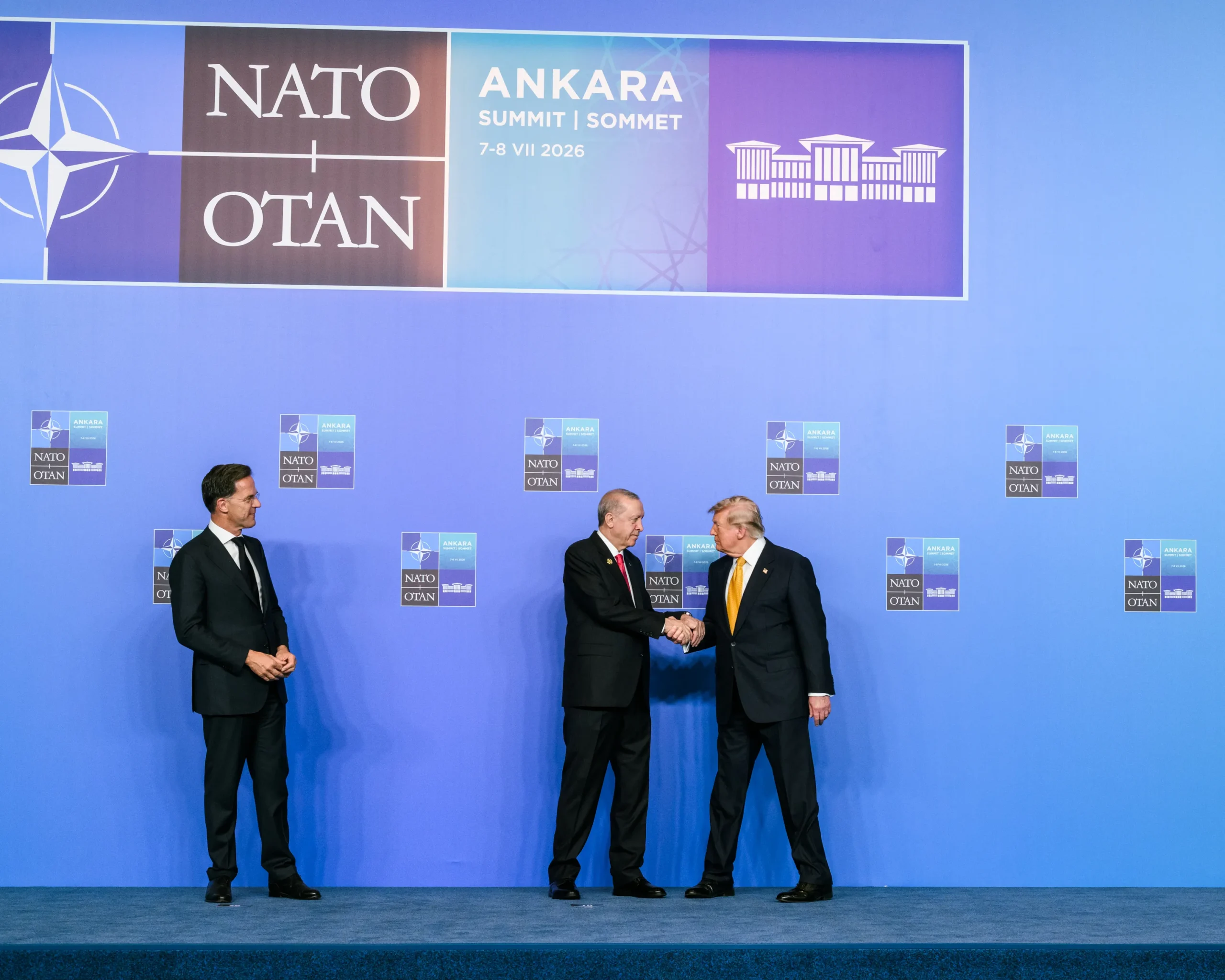
Senior diplomatic officials attribute the strong connection between Presidents Donald Trump and Recep Tayyip Erdoğan to two main factors. Firstly, the personal chemistry between these leaders plays a significant role, complemented by Trump’s inclination toward engaging with assertive leaders who wield significant political influence. Secondly, there has been a noticeable strategic pivot within the U.S. administration, leading to a growing perception of Turkey as an essential regional player. This shift recognizes Turkey’s potential role similar to that traditionally occupied by Israel in managing Middle Eastern dynamics and addressing the concerns of Arab nations regarding Iranian aggressiveness.
The Evolution of U.S.-Turkey Relations
In recent years, there has been an increasing acknowledgment within U.S. political circles that merely renewing hostilities with Iran through conventional methods will not yield different outcomes. The prospect of a wide-ranging military campaign against Iran poses significant political, economic, and military risks for the United States. Consequently, Washington is keen on forging stronger alliances with regional partners, with Turkey emerging as a key focus. This pivot represents a departure from a near-exclusive reliance on Israel and showcases a more nuanced approach to Middle Eastern geopolitics.
Turkey’s ambitions for regional dominance provide a backdrop for its strategic positioning. Despite historical rivalries with Iran, Ankara does not actively seek military confrontation but embraces a competitive environment that necessitates careful navigation of mutual interests. Turkey aims to capitalize on its evolving geopolitical landscape, striving to establish itself as the principal Sunni power and an influential player in the Levant, particularly against both Iran and competing Gulf states like Saudi Arabia and the UAE. President Erdoğan’s vocal criticisms of Israel, particularly following recent events, have, however, remained largely rhetorical, with practical actions reflecting a more moderate stance, avoiding direct military conflicts.
Challenges in Turkish-Israeli Relations
Amid these developments, Israeli officials remain vigilant of U.S. efforts to bolster the Lebanese state, envisioning it as a stabilizing force against Hizbullah’s resurgence. Current assessments suggest that Turkey could help facilitate this goal, possibly in coordination with the new Syrian regime. However, Israel holds apprehensions that a growing Turkish influence in Lebanon could detract from Saudi Arabia’s position in the region. The ongoing conversation between Trump and Israeli Prime Minister Benjamin Netanyahu underscores these dynamics, especially regarding concerns over Erdoğan’s remarks questioning Israel’s legitimacy.
On the issue of military capabilities, Israel is increasingly wary of the potential approval of Turkey’s request for advanced fighter aircraft, fearing that these developments could undermine its qualitative military edge in the region. Netanyahu has been proactive in seeking to block such transactions and is lobbying Congress to support these efforts. In parallel, Israeli defense officials are preparing for possible contingencies where such deals proceed, ensuring that Turkey receives less advanced equipment while Israel maintains its technological superiority.
Strategic Rivalry and Regional Dynamics
In the broader context, Turkey has emerged as a critical strategic competitor for Israel, a shift driven by a perception of diminishing Iranian power. The Turkish military’s capabilities, its burgeoning defense industry, and the nation’s NATO membership equip it with the tools necessary to exert substantial influence across the Middle East. This has implications for the evolving security landscape, as Israeli leaders express concerns about the extent of anti-Israeli sentiment that permeates various segments of Turkish society, extending beyond the official government stance.
The competition between Turkey and Israel is manifesting across various strategic fronts, particularly concerning the Palestinian issue, military presence in Syria, and energy collaborations in the Eastern Mediterranean. Israeli leaders perceive Turkey’s backing of Hamas as a direct challenge to their security interests. The evolving relationship, marked by deepening military initiatives and strategic partnerships elsewhere, is creating a complex web of interactions that will define the future regional landscape.
As these competing agendas unfold, the rivalry between Jerusalem and Ankara is not expected to dissolve. Instead, it is likely to evolve into a significant geopolitical fissure influencing Middle Eastern dynamics in the years to come. While Israel strives to maintain its position as the predominant regional power through military superiority and strategic alliances, Turkey seeks to shape a revised regional order, aspiring to be a central figure in the Sunni sphere of influence. The interplay of these forces will undoubtedly shape the trajectory of Middle Eastern geopolitics, marking a pivotal chapter in their intertwined histories.