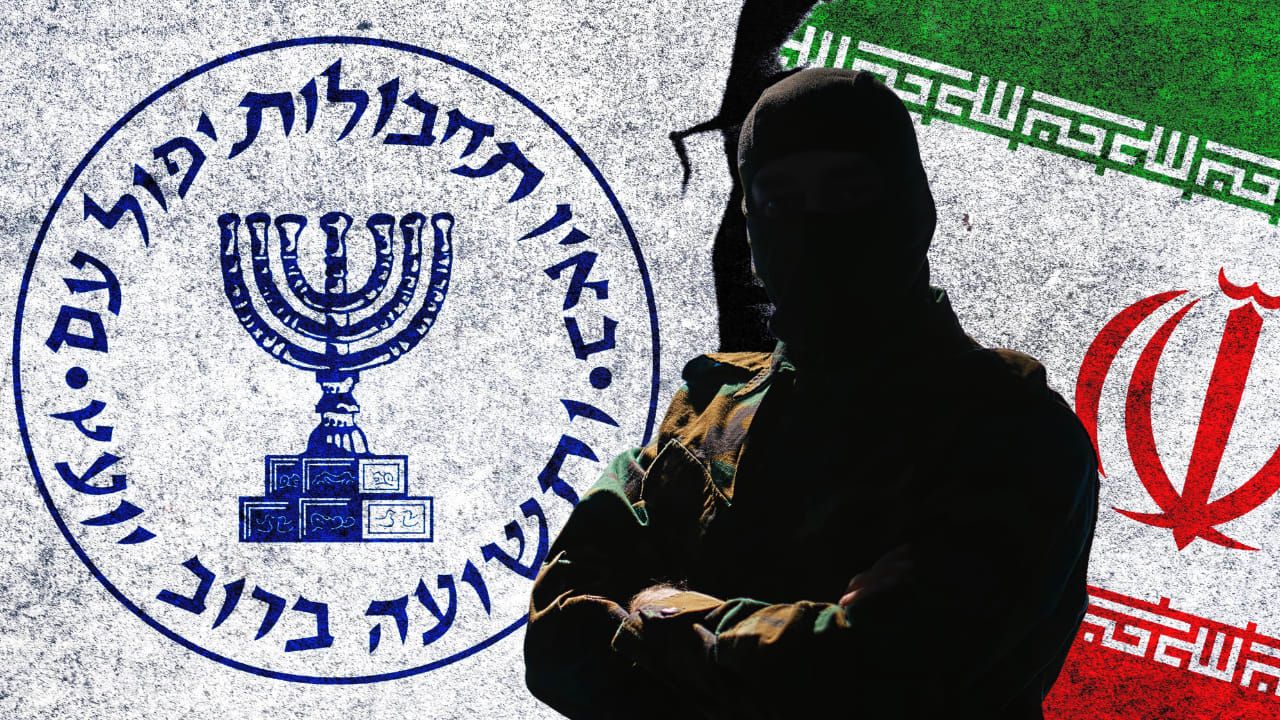
Middle Eastern conflicts often have their roots deep in intelligence maneuvers rather than immediate military actions. The groundwork for these confrontations is laid long before the first missile is launched, with covert operations and strategic planning occurring within the hidden facets of intelligence offices and clandestine networks.
The Unfolding Intelligence War
As tensions rise between Iran, the United States, and Israel, the pertinent question shifts from “Who will attack first?” to “What intelligence operations are currently in play within Iran?” The Islamic Republic has suffered extensive military and economic setbacks over the past eight months, yet it continues to leverage its position through nuclear threats and high-stakes negotiations. This underscores the urgency for U.S. President Donald Trump to consider his next steps. Should he choose to accept a deal that allows Iran a chance to recover, or should he maintain pressure until the threats posed by Tehran are comprehensively diminished?
Both the CIA and Mossad are integral to this equation. Their collective intelligence operations focus on exposing vulnerabilities within Iran’s security architecture. While Iranian officials claim they pursue peace, their actions indicate otherwise, as they impose impractical demands on Washington. Figures like Mohsen Rezaei, a former commander of Iran’s Revolutionary Guard Corps, insist on retaining their enriched uranium, showcasing Tehran’s dual strategy of negotiation and intimidation.
Tehran’s Strategic Calculations
In the realm of intelligence warfare, the variable of time does not favor Tehran, regardless of their negotiations. The Iranian leadership may be banking on rising oil prices and U.S. political dynamics, especially with the upcoming elections, to extract concessions from Washington. However, a prolonged crisis can also offer the U.S. and Israel valuable insights into Iran’s military capabilities and intelligence flaws, highlighting vulnerabilities within Iran’s security apparatus.
The Israeli intelligence campaign against Iran’s nuclear ambitions exemplifies the extent of Tehran’s exposure. Operations such as the 2018 seizure of Iran’s nuclear archive and targeted assassinations illustrate significant weaknesses in Iran’s defensive strategies. While the U.S.’s involvement in these operations remains ambiguous, the partnership between American and Israeli intelligence should not be underestimated.
Vulnerabilities and Strategic Imperatives
Tehran’s most profound vulnerabilities extend beyond military confrontations; they lie in the potential infiltration of intelligence into its foundational institutions. The ability of adversarial intelligence agencies to compromise the IRGC, counterintelligence divisions, and national security decision-making bodies poses an existential threat. A regime unable to safeguard its core secrets and operational capabilities will remain perpetually exposed, regardless of its military might.
The Strait of Hormuz adds another layer to this asymmetric conflict. The IRGC claims to have blocked vessels with naval mines, but without independent verification, such threats may be attempts to wield economic power rather than genuine military prowess. The ability to accurately assess Iran’s maritime capabilities becomes vital in distinguishing between legitimate threats and mere posturing.
Nonetheless, Tehran’s approach—utilizing terrorist proxies and cyber warfare—remains relentless. International security, particularly in Europe, is increasingly threatened by Iran’s activities, and it is crucial for Washington to address these issues comprehensively rather than solely focusing on nuclear negotiations. Recognizing that Tehran’s refusal to release enriched uranium signals its intent to use it as leverage is crucial for negotiating meaningful constraints.
In summary, the intelligence warfare against Iran must be multifaceted. While covert operations can inflict immediate damage, they cannot substitute for a comprehensive national strategy. Ending hostilities should focus on limiting Iran’s potential for aggression, thereby ensuring long-term security stability in the region. The next steps Washington takes in these negotiations will significantly impact the future of both U.S.-Iran relations and regional peace.