
Iran’s ongoing indirect negotiations with the United States through intermediaries such as Pakistan and Qatar highlight a complex diplomatic landscape amid rising tensions. As hostile rhetoric surrounding the Strait of Hormuz escalates and Iraq enforces a security review by closing a key border crossing with Iran, these dialogues remain critical to regional stability.
Diplomatic Channels Persist Amid Rising Tensions
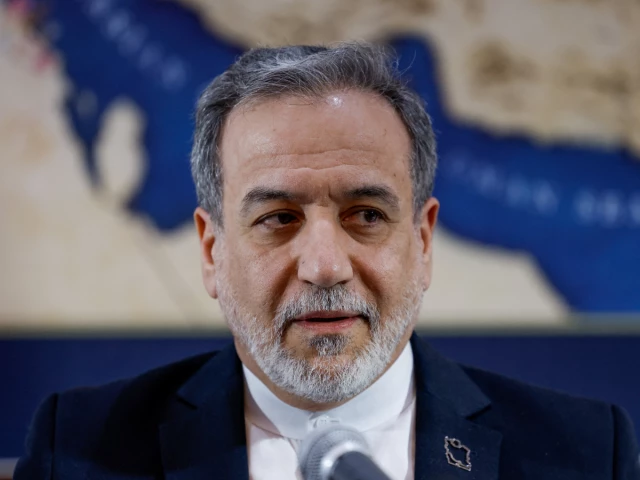
Abbas Araghchi, Iran’s Foreign Minister, recently reaffirmed that talks with the U.S. are progressing without interruption. This information was shared with Iraqi media and reported by IRNA, the state news agency. Significant details regarding the discussions, the key issues involved, or a timeline for any agreements were not disclosed. Nevertheless, this emphasizes that despite the prevailing tensions between Tehran and Washington, diplomatic channels remain active.
Pakistan has taken on a mediating role in facilitating communication, while Qatar has also been involved in these essential negotiations. U.S. Secretary of State Marco Rubio highlighted that Washington is consulting with multiple nations about potential agreements with Iran. He reiterated that any resulting deal must focus on preventing Iran from developing nuclear weapons, as reported by Al Jazeera.
Military Rhetoric and Strategic Posturing
Compounding the diplomatic efforts, military officials in Iran, such as Major General Mostafa Izadi from the Islamic Revolutionary Guard Corps (IRGC), have asserted that the nation maintains control over its military capabilities in the Strait of Hormuz. During a speech in Khomain, Izadi stated that the IRGC Navy and Aerospace Forces possess both operational and intelligence advantages over this crucial shipping route. He claimed that Iranian forces would sustain their current military posturing as deemed necessary by the government.
Izadi also claimed that U.S. forces have repositioned approximately 700 kilometers away from Iranian borders to minimize vulnerability to potential missile strikes from the IRGC. However, it’s crucial to note that this assertion has not been independently verified and remains within the realm of Iranian media reporting. The emphasis on Iran’s military readiness echoes a broader theme of the nation’s ability to defend its interests, especially in a region critical for global oil transport.
Iran’s Messaging on Military Strength and Resilience
Linking historical military conflicts to contemporary challenges, Izadi referenced previous engagements where Iran reportedly overcame adversaries, despite facing significant military opposition. He credited the strength of Iran’s armed forces and public support for maintaining its current strategic position, arguing that psychological warfare and enemy propaganda would not detract from what he called battlefield achievements.
These statements reveal Tehran’s intention to project strength and resilience while navigating complicated diplomatic negotiations. The Strait of Hormuz serves as a vital artery for global oil supplies, making Iran’s military capabilities and strategic posturing particularly significant in the current geopolitical climate. As negotiations continue, the balance between dialogue and military readiness will likely play a crucial role in shaping the future of Iran-U.S. relations and regional stability.