
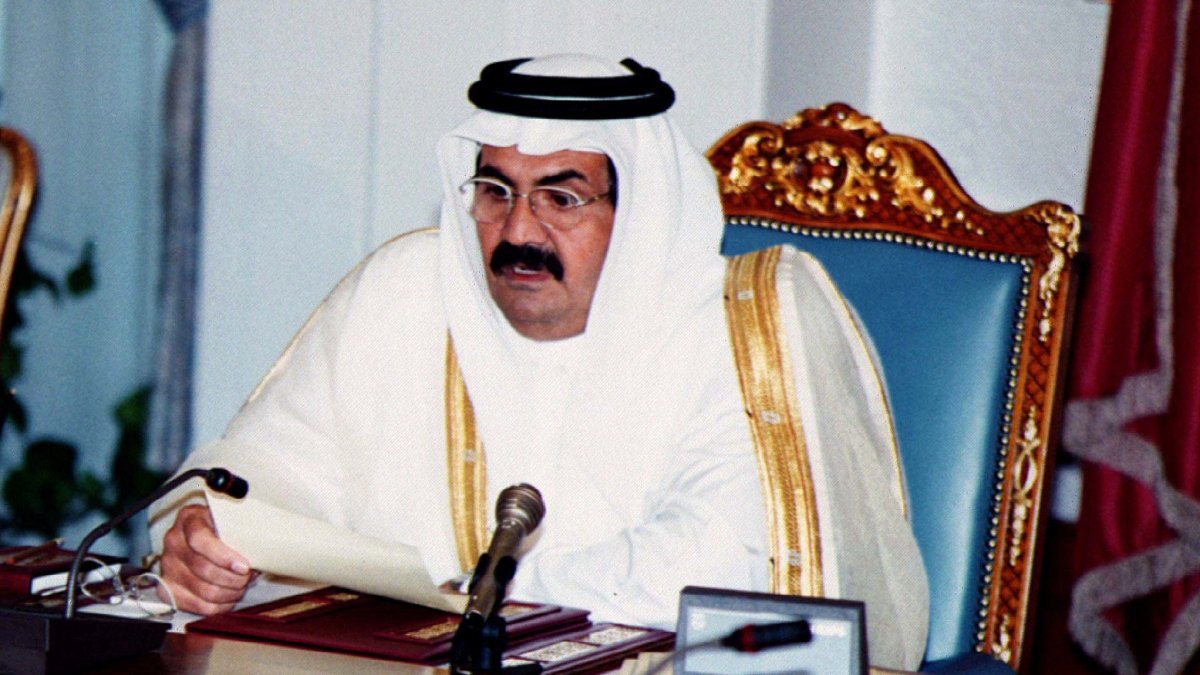
On July 12, the world observed the passing of Sheikh Hamad bin Khalifa Al Thani, known as the father Emir, at the age of 74. His death marks the end of an important chapter in Qatar’s contemporary narrative. Sheikh Hamad, who ruled from 1995 to 2013, was far more than just a leader; he was the visionary who transformed a small desert nation into a significant player on the global stage in sectors such as energy, diplomacy, media, and international influence.
## Transformative Leadership
Sheikh Hamad’s leadership left an indelible mark on Qatar. When he took the throne on June 27, 1995, he inherited a relatively unremarkable state. However, by the time he voluntarily stepped down nearly two decades later, Qatar had become one of the richest nations per capita. During his reign, the nation’s Gross Domestic Product (GDP) surged over twenty-four times, with GDP per capita rising nearly sixfold.
This remarkable transformation was largely driven by his strategic vision for Qatar’s abundant natural gas resources. Under his stewardship, the country developed a robust liquefied natural gas (LNG) infrastructure, becoming the world’s largest LNG exporter by 2006, producing an impressive capacity of 77 million tonnes annually.
## A Diplomatic Visionary
Sheikh Hamad understood that Qatar’s small size could be leveraged as a diplomatic advantage. His strategic approach positioned the nation as a key mediator in various global conflicts, extending Qatar’s influence internationally while fostering a reputation for neutrality. His diplomatic efforts included mediation in the Darfur conflict in Sudan and facilitating peace talks in Lebanon and Yemen.
His actions laid the groundwork for Qatar’s current role as an influential mediator in international affairs, a legacy that his successor, Sheikh Tamim, continues to honor. Sheikh Hamad’s vision sought to transform Qatar into a hub for dialogue and resolution, demonstrating how a small state could wield significant soft power on the world stage.
## Commitment to Palestine
Sheikh Hamad’s dedication to the Palestinian cause was particularly notable. In 1999, he made history as the first Gulf leader to visit the Palestinian territories since 1967, marking a pivotal moment in the region. His 2012 visit to Gaza, as the first head of state to do so under an Israeli blockade, showcased his commitment to the Palestinian people. He led a substantial delegation, launched reconstruction projects worth over $450 million, and called for unity between Hamas and Fatah.
His humanitarian initiatives extended beyond symbolic gestures; Qatar became a lifeline for Gaza through numerous aid and reconstruction efforts. Noteworthy legacies include Sheikh Hamad City, which provided housing for low-income families, and a rehabilitation hospital that continues to offer free healthcare to those in need.
## A Legacy of Humanity
While Sheikh Hamad could easily have been remembered solely as a modernization leader who enriched Qatar, he chose a more profound path. He aligned Qatar’s wealth and influence with humanitarian causes, mediating conflicts and providing support to the oppressed. His decision to voluntarily step down in 2013 at age 61 was a remarkable example of leadership, emphasizing the importance of a peaceful transfer of power—a rare occurrence in a region often characterized by turmoil.
Sheikh Hamad’s life and leadership were defined by dignity and wisdom. He nurtured a nation that achieved not just wealth but also a significant international standing. His choice to prioritize humanity over power ensures that his legacy will resonate for future generations, inspiring new leaders to uphold his vision of empathy, understanding, and cooperation on the global stage.