
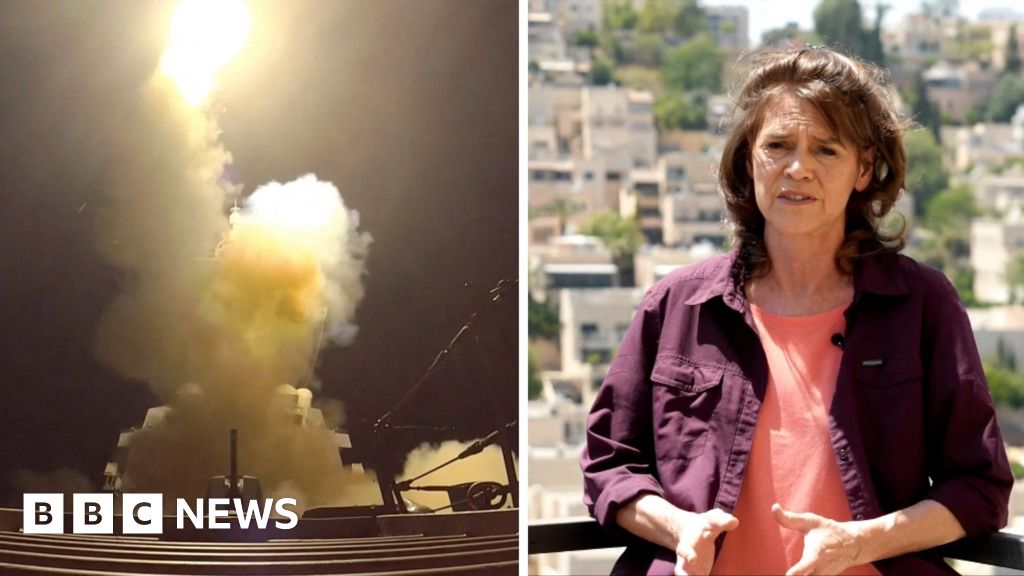
Tensions between the United States and Iran have intensified dramatically, particularly concerning control over the vital Strait of Hormuz. This crucial waterway is not only significant for both nations but also plays a pivotal role in global trade. Recent developments have raised serious concerns about the potential for renewed conflict, threatening the fragile peace established in previous negotiations.
Strait of Hormuz: A Flashpoint for Conflict
Reports indicate that the situation escalated recently when Iran declared the closure of the Strait of Hormuz. This announcement led to heightened fears of military confrontation in a region already strained by geopolitical rivalries. Meanwhile, the United States vehemently countered Iran’s claims, asserting that the strait remained open to navigation and that commercial traffic was ongoing without interruption. This conflicting narrative reflects broader tensions and mistrust between both nations.
Impact on Diplomatic Efforts
The renewed hostilities have cast doubt on a tentative agreement reached between the US and Iran in June. This preliminary deal aimed to facilitate an end to their prolonged conflict and restore free passage through the strait— which is essential for oil shipments and international shipping routes. The recent escalation raises questions about the viability of these diplomatic efforts and whether both nations are genuinely committed to de-escalation or preparing for further confrontations.
International Repercussions
The implications of the escalating tensions extend beyond the US and Iran, as the Strait of Hormuz is a critical chokepoint for global oil supplies. Approximately one-fifth of the world’s oil passes through this narrow passage. Disruptions or threats to shipping could lead to a significant rise in oil prices, affecting economies worldwide. As the situation unfolds, other nations are closely monitoring developments, understanding that instability in this region can have ripple effects far beyond its borders.
The Path Forward
Moving forward, it is crucial for both the United States and Iran to engage in constructive dialogue to reduce tensions and work towards a sustainable resolution. Military posturing and aggressive rhetoric will only exacerbate the situation and could derail any remaining diplomatic efforts. Finding common ground may require compromises from both sides, but the cost of continued conflict—both in terms of human lives and economic impact—could be catastrophic.
In summary, the current turbulence surrounding the Strait of Hormuz represents a critical juncture in US-Iran relations. With ongoing strikes and conflicting claims, the international community watches closely as both nations navigate this precarious situation. The outcome will likely shape not only their bilateral relationship but also global economic stability for years to come.