
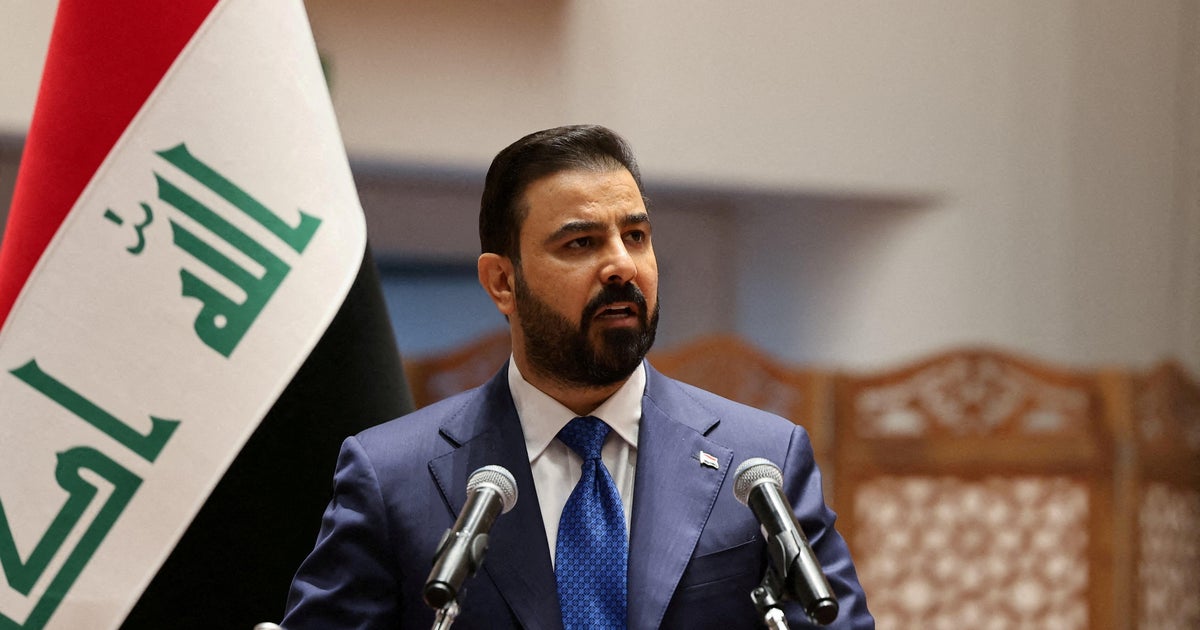
Iraqi authorities have made significant strides in combating corruption, seizing over 825 pounds of gold along with millions in cash. The series of operations has led to the apprehension of at least 21 individuals, which includes numerous government officials and several current and former parliament members. This crackdown is a direct consequence of the arrest of ex-deputy oil minister Adnan Al-Jumaili in May, who faces serious allegations of corruption.
Commitment to Anti-Corruption Efforts
With the rise of Prime Minister Ali Al-Zaidi, who assumed office in May, there is a renewed commitment to address corruption head-on. However, achieving meaningful reform will not be straightforward, as highlighted by an anonymous government official quoted by CBS News. The sheer number of officials implicated in the investigations and the enormous amounts of gold and cash recovered reveal the deeply ingrained corruption within the oil sector alone.
“This latest crackdown surprised many, not because it happened early in Al-Zaidi’s term, but because previous leaders have often only paid lip service to the issue without taking genuine action,” the official noted. The unexpected nature of this initiative has raised hopes that it might extend to tackling corruption in additional sectors moving forward.
Details of the Seizures
Diaa Jaafar, an investigative judge at Iraq’s Central Anti-Corruption Court, disclosed that nearly 790 pounds of gold was confiscated in one operation, with an additional 37 pounds recovered in another. All the gold has since been returned to Iraq’s central bank, emphasizing the government’s commitment to reclaiming illicit assets.
Additionally, a prior operation revealed Iraqi dinars worth approximately $10.6 million hidden in a rainwater drainage pit, further illustrating the lengths to which corrupt officials have gone to conceal illicit wealth. According to government spokesman Haider al-Aboudi, the total asset recovery in the Adnan Al-Jumaili case exceeds $96 million, alongside an additional $24 million in real estate, vehicles, and gold.
Public Sentiment and Future Actions
The Iraqi public is eager for accountability, with citizens urging authorities to penalize those who have mismanaged public funds. Al-Aboudi remarked that there is a widespread expectation for justice, as the funds involved ultimately belong to the Iraqi populace. As part of its anti-corruption strategy, Iraq aims to prepare legal documents to extradite hundreds of suspects currently residing abroad.
In a related diplomatic initiative, Al-Zaidi recently met with President Trump to discuss potential American investments in Iraqi infrastructure and energy. The two leaders also addressed Iraq’s plans to disarm Iranian-backed militias by September 21 and the complete withdrawal of U.S. forces by September 30.
Challenges remain, however, as Iranian-backed militias have historically presented obstacles to Iraqi governance. Some factions have already rebuffed disarmament proposals and have conducted attacks targeting U.S. diplomatic missions and troops. Meanwhile, Kuwait and other neighboring countries have condemned Iranian influence and the aggressive actions of Iraqi militias, signaling a broader concern over regional security.
In conclusion, Iraq’s ongoing anti-corruption efforts, spearheaded by the new government, symbolize a crucial step toward restoring public trust and accountability in state affairs. With the combined focus on both internal corruption and external security threats, the nation is navigating a difficult path toward reform and stability.