
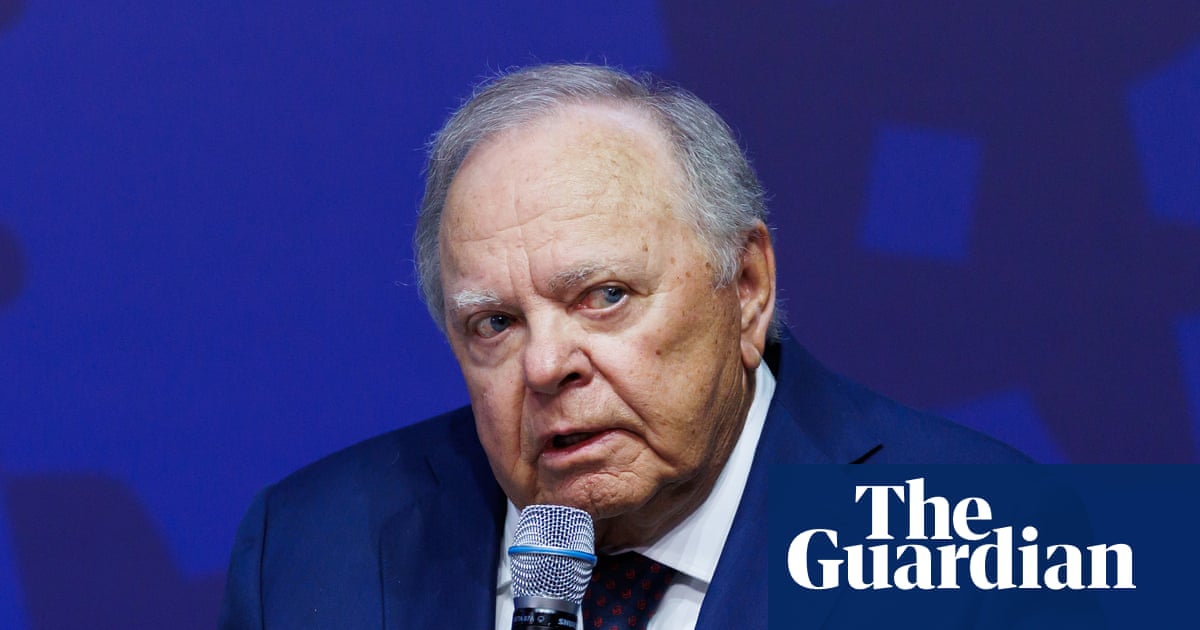
Harold Hamm, a prominent figure in the American oil landscape, epitomizes the rise of self-made entrepreneurs. Born to sharecroppers in Oklahoma, his journey from humble beginnings to becoming the founder of Continental Resources reveals not just personal ambition but a significant impact on the U.S. oil industry. Hamm’s pioneering work in hydraulic fracturing, or fracking, was instrumental during the shale boom of 2008, reversing a prolonged decline in U.S. oil production. His close ties to influential political figures, particularly Donald Trump, further reflect his prominent role in shaping energy policies.
Close Ties to Presidency
Hamm’s relationship with Trump has sparked considerable attention, as he is often described as the “original oil guy” by the former president. This association raises questions about the extent of Hamm’s influence over Trump’s energy policies. While he played a crucial role in lifting the decades-old ban on U.S. crude oil exports in 2015, his actions have drawn scrutiny from environmental advocates who criticize his alignment with fossil fuel interests. Critics argue that Hamm has been a driving force behind the Trump administration’s efforts to roll back climate regulations, effectively sidelining environmental concerns.
One notable instance highlighting Hamm’s clout was the private fundraiser he organized at Trump’s Mar-a-Lago in 2024. During this event, Trump reportedly solicited $1 billion from oil executives to support his return to the presidency. Hamm’s financial contributions to Trump’s campaigns are significant, totaling over $2 million, alongside substantial donations aimed at financing Trump’s new projects. These financial ties have attracted the scrutiny of lawmakers who question whether such relationships compromise climate policy in favor of corporate interests.
Foreign Policy and Energy Security
Beyond domestic energy, Hamm has expressed strong views on geopolitical issues concerning oil, particularly regarding Iran and Israel. His hardline stance includes warnings about Iran’s influence in the Middle East and its potential threat to both Israel and U.S. interests. As co-chair of the Council for a Secure America (CSA), Hamm champions the idea that U.S. energy independence is paramount for national security. This organization, revived by Hamm in 2012, advocates for strong ties between American energy policies and pro-Israel initiatives, framing energy dominance as a means to secure American foreign interests.
Hamm’s public writings also emphasize the need for the U.S. to produce enough oil to stabilize global markets amid geopolitical turmoil. His predictions assert that events outside U.S. borders, such as conflicts in Iran, will not adversely affect American oil availability or prices. This perspective aligns with broader narratives from Trump’s administration, suggesting that America’s energy security can remain intact, regardless of global tensions.
Critique and Economic Impact
Despite Hamm’s confidence in U.S. energy resilience, critics contend that his policies indicate a failure to address the realities of a global oil market. The increase in oil prices since the outbreak of war involving Iran and its implications for consumers have led many to reevaluate the effects of “energy dominance” policies. Price surges have placed a financial burden on everyday Americans, a plight Hamm appears detached from, asserting that the economic dynamics are all “relative.”
In the wake of recent conflicts, U.S. consumers have faced rising fuel costs, with some estimates suggesting an additional $67 billion spent at the pump. Critics point out that Hamm’s policies have benefited oil companies more than the average consumer, challenging the notion that expanding U.S. production translates into lower domestic prices. While Hamm remains steadfast in his pursuits, the economic reality increasingly questions the benefits of his so-called energy dominance narrative.
In sum, Harold Hamm stands at a complex intersection of American energy policy, corporate interests, and foreign relations. His pivotal role in the oil sector and close ties to influential political figures may have reshaped energy narratives and policies, but the broader implications for consumers and environmental health continue to unfold, making it a crucial topic for ongoing scrutiny.