
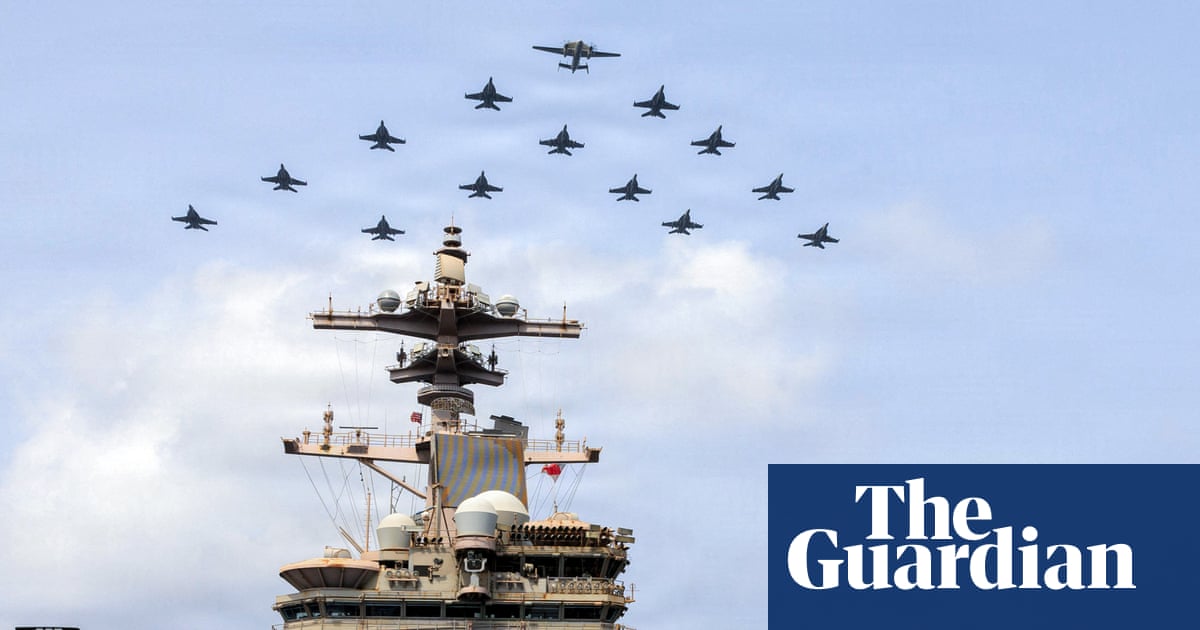
The recent escalation of hostilities between the US and Iran has heightened tensions in the region, raising fears of a broader conflict. Over the past week, a series of military engagements have resulted in significant casualties and damage, casting doubt on any prospects for a peaceful resolution. As both nations engage in an escalating cycle of attacks, the geopolitical landscape remains precarious.
Intensified US Military Actions
In a decisive move, the US has increased its military operations in Iran, targeting areas near Tehran as well as provinces across the nation. This marks a stark escalation as it signifies the first instance of US strikes in this renewed round of conflict. Reports indicate that US forces launched a missile strike against a tanker approaching Kharg Island, Iran’s primary oil export hub, after it allegedly disregarded multiple warnings. The assault has caused extensive casualties, with Iranian officials estimating over 35 fatalities and injured, compounding the humanitarian crises faced by civilians in affected regions.
Iran’s Retaliation
In response to the US strikes, Iran has countered with missile and drone attacks aimed at US allies, including Bahrain, Jordan, and Kuwait. The escalation features an attack on Erbil, Iraq’s Kurdish region, highlighting the broader implications of this conflict in the region. Iranian military officials have issued stern warnings, emphasizing their commitment to retaliate against any perceived threats to their sovereignty. The rhetoric from both sides has only intensified, indicating a potential shift toward more aggressive military postures, with Iran claiming the ability to target critical infrastructure in the region.
Blockade and Implications for Global Trade
The ongoing military operations have raised tensions around the Strait of Hormuz, a vital corridor for global energy supplies. Prior to the conflict, approximately 20% of the world’s oil and gas exports passed through this strait. The US’s enforcement of a naval blockade, coupled with Iran’s threats to close the strait, has already begun impacting global oil markets. Recent data suggests that fewer vessels are daring to navigate through this perilous route, leading to an increase in oil prices approaching $85 per barrel. Analysts predict further price surges could occur if shipping disruptions persist, threatening economic stability not just in the region but globally.
The Potential for Broader Conflict
As both nations continue to trade military blows, there is growing concern that the ongoing confrontations could spiral into a full-scale war. The recent attacks have triggered a state of emergency, with Iraq suspending oil loading operations at its terminals. The geopolitical stakes are especially high as Iranian leadership warns that any US interference in their maritime activities would be met with severe repercussions. The continued cycle of retaliation poses a challenge to diplomatic efforts aimed at reaching a lasting peace agreement, such as the recent 14-point Memorandum of Understanding (MoU). Conflicting interpretations of the MoU indicate that neither side is prepared to back down, complicating any potential resolutions.
The unfolding developments illustrate the precarious balance of power in the Middle East. With both the US and Iran entrenched in their positions, the prospect of a diplomatic breakthrough seems increasingly distant. In this volatile environment, regional actors and global stakeholders must navigate with caution to avoid a descent into unrestrained conflict.