
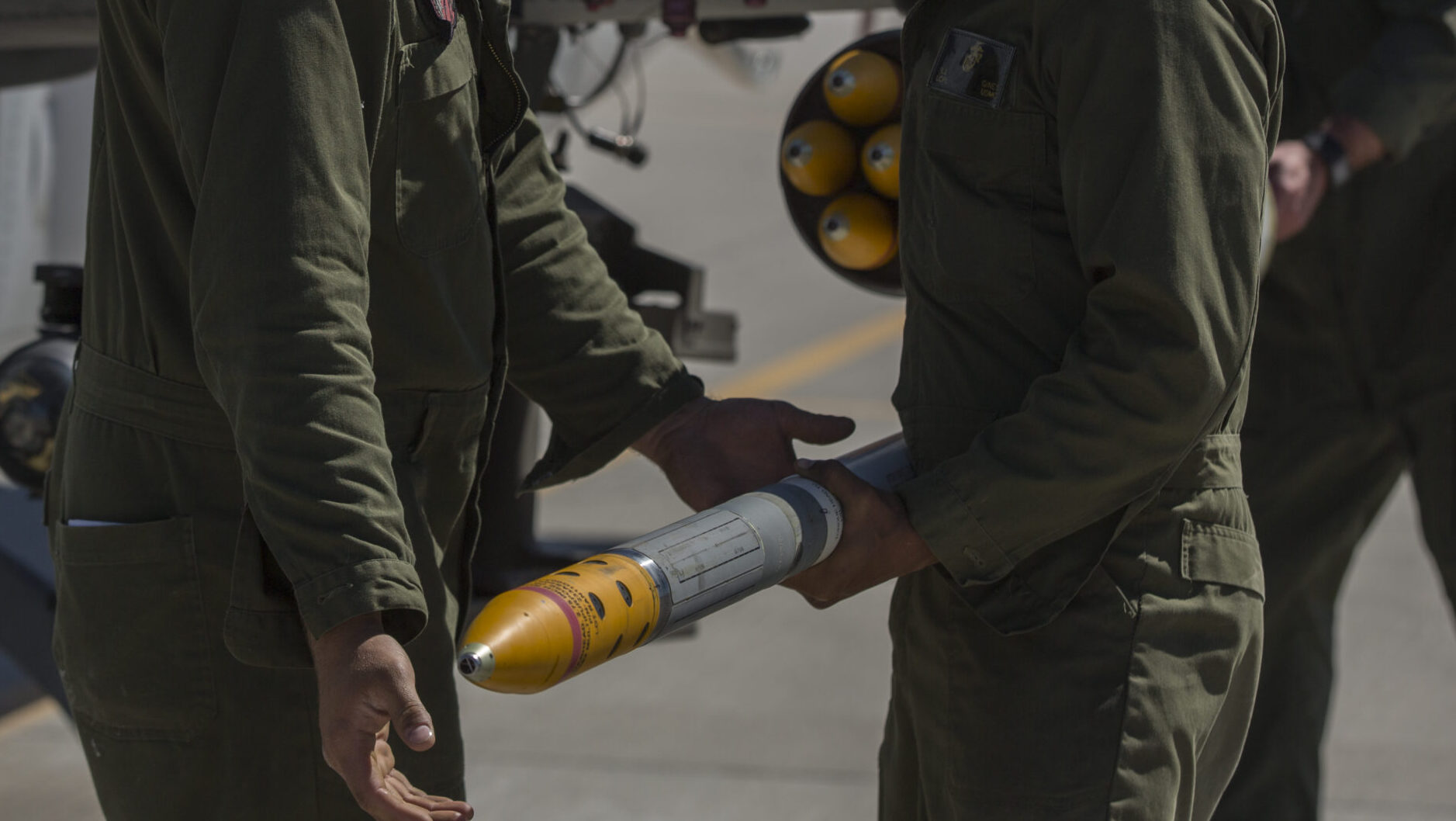
The U.S. State Department has given the green light for a potential Foreign Military Sale (FMS) of advanced precision guided munitions to Saudi Arabia, with a projected value of approximately $1.96 billion. This major arms deal underscores America’s commitment to bolstering the military capabilities of its allies in the Middle East and aligns with its broader geopolitical strategy.
Details of the Proposed Sale
The State Department’s announcement, made on Wednesday, highlighted Saudi Arabia’s request for 20,000 Advanced Precision Kill Weapon Systems (APKWS-II). This order includes a diverse mix—10,000 equipped with air-to-air guidance mechanisms and an equal number with air-to-ground capabilities. Furthermore, the package could include additional resources such as LAU-131 A/A launchers, Mk-152 high-explosive warheads, and MK66 rocket motors, among other essential components. These munitions come with complementary training, spare parts, and test support equipment to enhance operational readiness.
The implications of this proposed sale are significant. The U.S. aims to improve Saudi Arabia’s aerial operational effectiveness, particularly its self-defense capabilities in both air-to-air and air-to-ground scenarios. By upgrading these systems, Saudi Arabia will be better positioned to respond to evolving security threats in the region.
Strategic Importance for Saudi Arabia
Retired Kuwaiti Air Force Colonel Zafer Al Ajami reflects on the transformative effects of these kits, which convert cost-effective, unguided rockets into precise, low-cost interceptors. In an era where drone warfare is becoming increasingly prevalent, this capability allows Saudi Arabia to protect its more expensive missile inventories, such as the Patriot systems, by countering swarms of lower-cost drones effectively. Al Ajami noted that this enhances not only Saudi air defense but also reinforces military interoperability with U.S. forces in the Gulf Region.
The significance of this potential acquisition is intensified by recent escalations in regional tensions. Just days prior to the announcement, Saudi Arabia and the Iranian-backed Houthi forces had resumed hostilities, marking the end of a four-year truce. Additionally, Riyadh has faced threats from Iranian missile strikes in response to U.S. and Israeli activities, further highlighting the urgent need for improved defense capabilities.
Political Dimensions and Future Outlook
The State Department has highlighted that this proposed sale aligns with U.S. foreign policy objectives aimed at supporting a stable and secure Gulf Region, recognizing Saudi Arabia as a key non-NATO ally. Al Ajami views this deal as a pragmatic shift in U.S.-Saudi relations, particularly in light of growing threats from the Houthis. The ability to offer precise air-to-air and air-to-ground weaponry enables the U.S. to directly fortify Saudi Arabia’s homeland defense while fostering better cooperation with American military forces.
However, it’s worth noting that potential FMS announcements are not finalized agreements; they could evolve as negotiations unfold. Lawmakers could also intervene to modify or block the deal entirely, influencing its trajectory. As the geopolitical landscape in the Middle East continues to shift, the outcomes of such military sales are subject to a variety of factors that could shape U.S.-Saudi relations in the future.