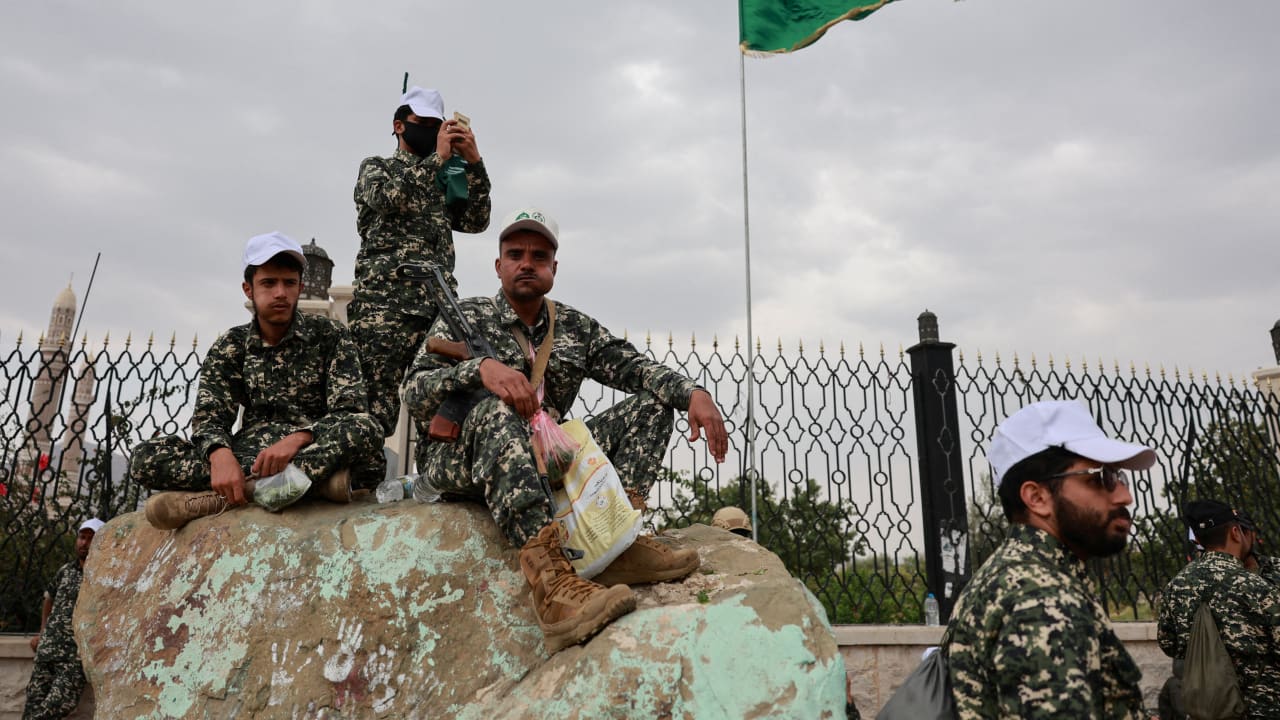
Pakistan has issued a cautionary message to Iran, urging it to manage its Houthi allies in Yemen following a significant increase in attacks targeting Saudi Arabia. This warning, as reported by various regional sources, aims to prevent further escalation of the ongoing conflict and the destabilization of the region.
### Escalating Houthi Attacks on Saudi Arabia
The Houthis launched a substantial offensive against Saudi Arabia, including strikes on an airbase in Khamis Mushait, which resulted in injuries to 73 individuals. This incident marks one of the most intense assaults on Saudi Arabia since the beginning of heightened tensions between the U.S. and Iran in February. The increased frequency and severity of such attacks have prompted Pakistan to intervene, emphasizing the need for Iran to impose control over the Houthis to avert a broader crisis.
### The Role of Pakistan and Regional Dynamics
Pakistan’s warning carries significant weight due to its defense agreements with both Saudi Arabia and Turkey. Pakistani Defense Minister Khawaja Asif highlighted that any spillover of conflict into Saudi territory could potentially activate a collective security arrangement involving the three nations. This agreement states that an aggression against one of the countries would be perceived as an aggression against all, reinforcing their commitment to collective defense. Asif made it clear that any unprovoked attacks on Saudi soil would escalate their collaborative security efforts.
### A Calm Before the Storm?
Despite the escalating situation, Islamabad is currently pursuing diplomatic means to contain Houthi aggression. Officials indicate that while Pakistan’s military pact with Saudi Arabia is primarily defensive, they are prepared to provide various forms of support while ensuring they do not engage in offensive operations outside their borders. A senior diplomat noted that Islamabad is actively attempting to restrain the Houthis before the conflict escalates to a point where Pakistan may be compelled to take military action.
### Iran’s Position and Implications
Iran’s response to Pakistan’s warning reveals a complex regional dynamic. While Iranian officials claimed they do not control the Houthis, sources indicate that Tehran had previously encouraged Houthi attacks, even promising additional military support and coordination with the Islamic Revolutionary Guard Corps. The uncertainty around Iran’s influence over the Houthis poses a challenge for regional stability, potentially leading Saudi Arabia and its allies to strengthen their military cooperation further.
### A Regional Response to Growing Tensions
Saudi Arabia, Pakistan, and Turkey are reportedly strategizing to counteract the threat posed by the Houthis without crossing into Yemen. They have agreed that any military responses would be launched from Saudi territory rather than engaging directly in Yemeni territory. This coordinated approach seeks to balance military readiness with a desire for stability, showcasing their commitment to collective security without further complicating the situation in Yemen.
### Prospects for Stability
The ongoing tensions underscore the intricate balance of power in the region, as larger geopolitical disputes are influenced by local conflicts. Both Iran’s provocations and the response from Saudi Arabia and its allies may culminate in an intensification of military actions, further complicating the security landscape in the Middle East. Observers will be closely monitoring how Pakistan’s efforts, alongside those of other nations, will affect the trajectory of this conflict and overall regional stability.