
The lives of ancient Egyptian princesses are often romanticized, revealing a world of opulence and comfort, complete with lavish palaces and devoted servants. However, recent discoveries surrounding the burial sites of these royal women indicate a far more dynamic existence. Research on the mummies of several princesses from the Middle Kingdom suggests they engaged in physical activities and wielded weapons, challenging traditional perceptions.
A Deeper Investigation into Princesses’ Lives
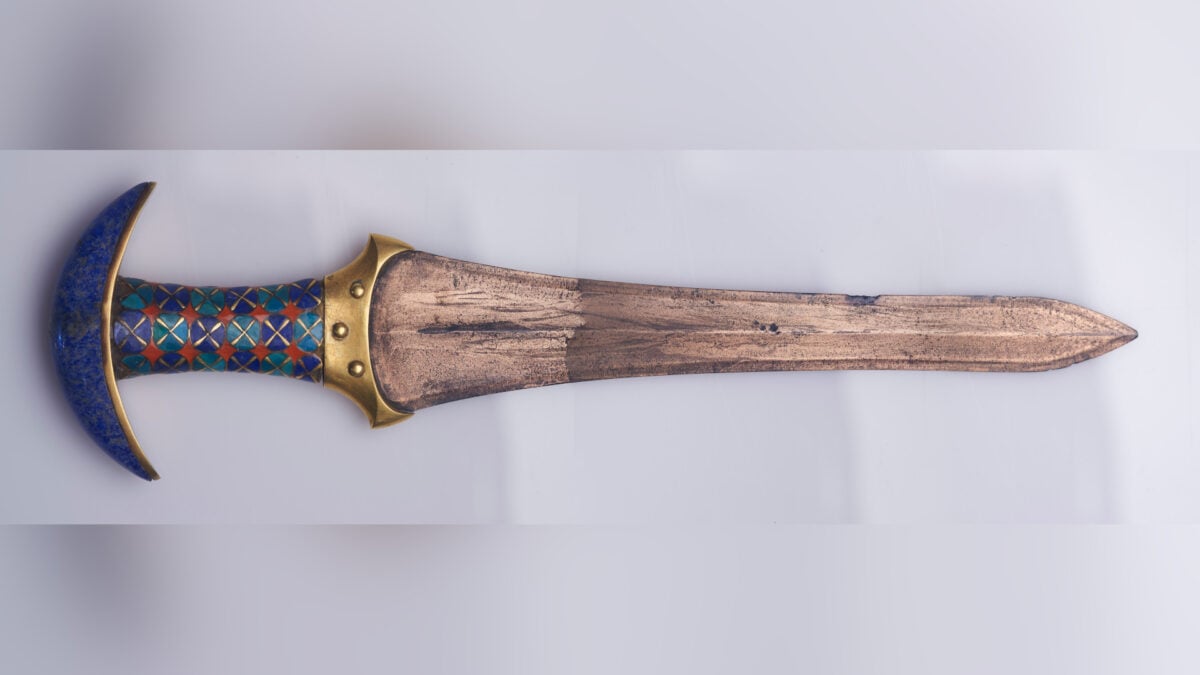
The mummies under scrutiny were unearthed in the 1890s at Dahshur, a significant pyramid complex near Cairo. They were rediscovered in 2020 during a curatorial initiative at the Egyptian Museum, bringing ancient histories back into focus. Among these royal women, four were sisters: Princess Ita, Princess Khenmet, Princess Itaweret, and a woman currently identified as Princess Sathathormeryt. All were daughters of Pharaoh Amenemhat II. The sisters shared burial chambers that contained a variety of artifacts, notably bows and arrows, items that are typically associated with male activities in ancient Egypt. Additionally, a striking dagger was found alongside Princess Ita, adding to the intrigue.
Through comprehensive analysis of their skeletal remains, researchers were able to ascertain not only age and health but also activity levels. The findings indicated robust muscle attachment, hinting at a physically active lifestyle among the royal women—consistent with the weapons found interred with them. The study was published in Frontiers in Environmental Archaeology, highlighting the significance of physical activity in the lives of these princesses.
Unveiling the Physicality of Royal Life
The research revealed particularly strong muscle development in the upper limbs of these individuals, suggesting regular engagement in activities such as archery. According to lead researcher Zeinab Hashesh, pronounced upper-limb muscle attachment correlates with high-intensity movements, like drawing a bowstring or handling a weapon, indicating that these activities were commonplace. Hashesh noted, “These were not merely symbolic gifts; they were tools employed in their daily lives.”
In particular, Princess Ita exhibited strong signs of upper-body strength, implying that she likely trained with weapons including maces or knives. Princess Itaweret’s skeleton, on the other hand, indicated she was a proficient archer who had endured injuries consistent with an active lifestyle. Similarly, Princess Khenmet’s remains revealed robust ligament attachments, suggesting she also participated in physically demanding tasks.
Redefining Royal Narratives
The analysis of Princess Noub-Hotep and King Hor’s mummies reflects a similar narrative, confirming their prowess in archery. Such findings imply that members of the royal family actively participated in rigorous activities like hunting and military training, likely impacting their physical development. The researchers aim to expand our understanding of these princesses beyond mere artifacts and jewelry, emphasizing the need to reconstruct their lives as fully realized individuals rather than mere subjects of fascination.
Hashesh expressed a desire to shift focus from the exquisite treasures typically studied by archaeologists to the stories of the people who once lived. “While their objects are stunning, the lives behind them often go unrecognized. Our study intends to highlight these forgotten histories,” she stated.
This reshaping of the narrative surrounding ancient Egyptian princesses underscores the importance of physical activity in their lives, challenging preconceived notions and painting a richer picture of their existence.