
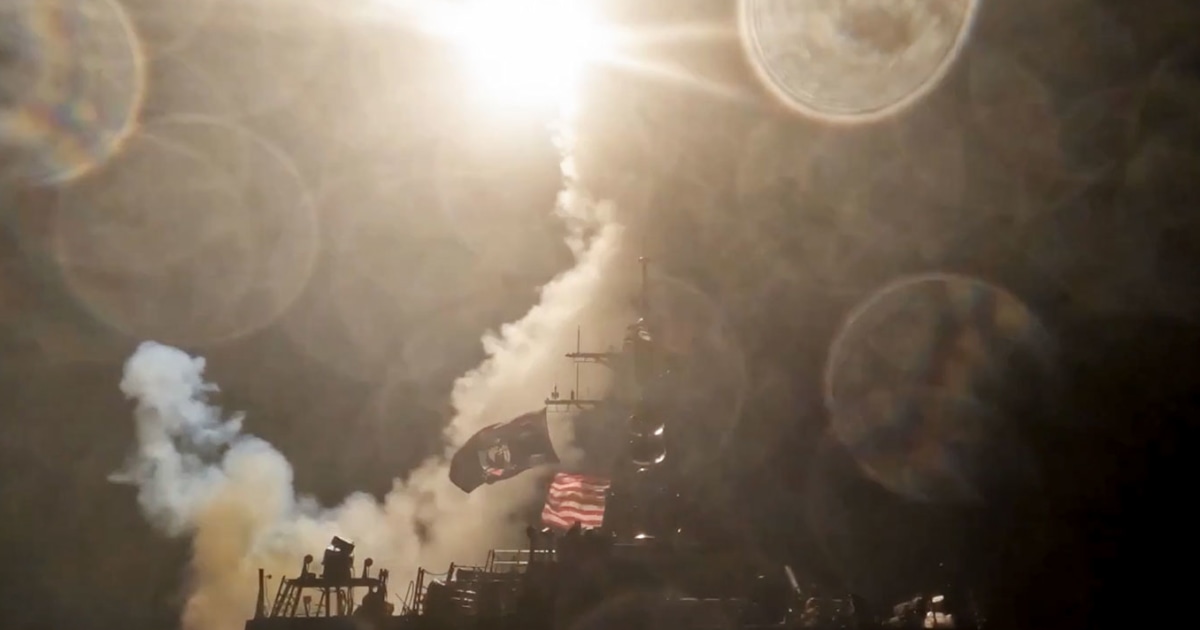
At least eight individuals have lost their lives, and a further 20 have sustained injuries as a result of recent military strikes, according to reports from the Iranian state news agency IRNA. Early Friday morning, it was disclosed that several key infrastructures, including at least six bridges—one of which was under construction—were targeted.
Impact on Key Transport Infrastructure
In addition to the bridge strikes, a railway junction located just west of Bandar Abbas was also reportedly struck, as per the state-controlled IRIB news agency. The focus of these attacks seems to be on severing the vital connections between Bandar Abbas, Iran’s main port, and routes leading towards Tehran, the capital city. Although some pathways remain accessible, the implications of these U.S. strikes could extend further, potentially obstructing the flow of military supplies and essential goods for Iran’s 90 million citizens.
Effects on Power Infrastructure
For the first time, Iran has acknowledged that the airstrikes have impacted its power infrastructure. The Ministry of Energy has urged residents in southern provinces to conserve electricity. This acknowledgment adds another layer to the ongoing turmoil, highlighting how the strikes affect not just transportation, but also basic utilities for the population.
Damage to Maritime Operations
The recent U.S. strikes have also inflicted damage on a maritime control tower situated in Chabahar, a key port on the Gulf of Oman. Despite its positioning outside the critical Strait of Hormuz, Chabahar is significant due to its operational partnership with India. Reports indicate this strike on the control tower marks the third such attack in recent days, potentially compromising port operations, as noted by the Mehr news agency. Defense Secretary Pete Hegseth shared an image on X platform late Thursday capturing the tower’s collapse amid rising smoke.
Escalating Tensions in the Region
The situation remains tense as the U.S. has threatened to target Iranian infrastructure in response to heightened tensions surrounding the Strait of Hormuz. The week has witnessed a sharp escalation, marked by a series of strikes and the reinforcement of a U.S. naval blockade. These developments not only pose immediate risks to strategic assets but could also have far-reaching consequences for regional stability and access to resources.
The ongoing military actions illustrate the complex nature of geopolitical relationships in the region, leading to uncertain futures for numerous civilians caught in the crossfire. The situation continues to evolve, necessitating close monitoring for any further actions that could exacerbate the current crisis.