
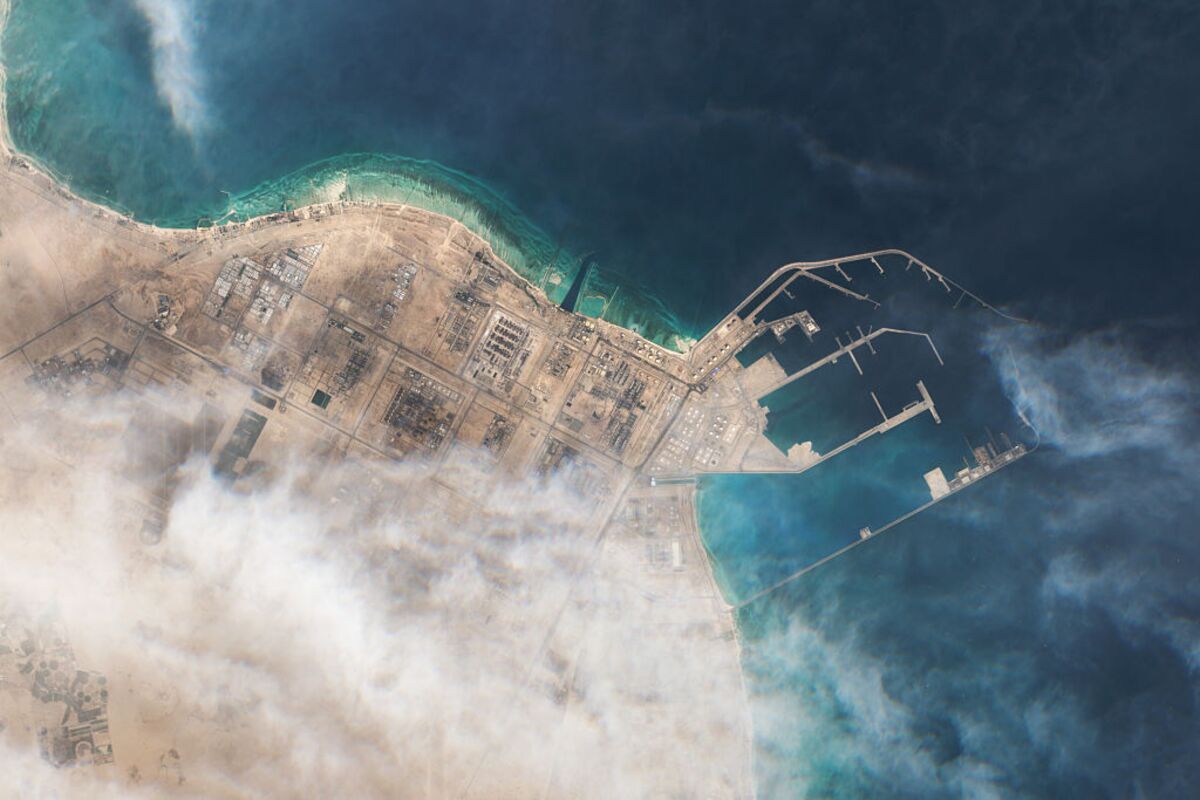
Chinese importers of liquefied natural gas (LNG) are actively seeking alternatives to diversify their supply sources. This shift comes in light of recent disruptions in the Strait of Hormuz, which jeopardize a historically stable supply chain with Qatar. As geopolitical tensions continue to rise in the region, it’s essential for China to develop strategies that will ensure energy security and reduce potential vulnerabilities in its gas supply.
Challenges in the Strait of Hormuz
The Strait of Hormuz has long been a critical maritime corridor for global oil and gas shipments, accounting for a significant portion of the world’s energy supplies. However, recent geopolitical tensions and potential military confrontations have raised concerns regarding the reliability of this route. Chinese companies are increasingly aware that over-reliance on Qatar for LNG might pose significant risks, particularly if the situation in the Strait escalates. As a result, they are exploring new avenues to mitigate these risks and enhance their energy independence.
Alternative LNG Suppliers
In their quest to diversify LNG sources, Chinese importers are evaluating a variety of alternative suppliers. Countries such as the United States, Australia, and Russia are emerging as viable options to help balance China’s energy portfolio. Increased focus on liquefaction projects, coupled with favorable trade agreements, could provide a more stable and secure supply of LNG. By establishing connections with these suppliers, China aims to reduce its dependence on any single nation or route, thereby increasing its resilience to potential disruptions in the future.
Investments in Domestic Production
Another strategy being employed by Chinese importers is investing in domestic LNG production. The government is advocating for the development of local resources, which can lessen foreign reliance while also stimulating the national economy. Investments in technology and infrastructure related to natural gas extraction and liquefaction can create a robust domestic market, ultimately enhancing energy security. This approach not only serves to stabilize supply but also aligns with China’s commitments to transitioning towards cleaner energy sources.
Long-Term Strategic Partnerships
Forming long-term strategic partnerships is essential for China as it navigates the complexities of the global LNG market. By fostering relationships with multiple suppliers, Chinese importers can ensure that they have access to diversified sources of natural gas in varying geopolitical climates. These partnerships often include integrated contracts that support investment in infrastructure and facilitate better pricing structures. Such collaborations not only bolster supply chains but also contribute to a more stable global LNG market, benefiting both China and its partners.
In conclusion, the proactive measures taken by Chinese importers in diversifying their LNG supply sources reflect a broader strategy aimed at ensuring energy security in an uncertain geopolitical landscape. By reducing reliance on Qatar and exploring alternative suppliers, investing in domestic production, and forming strategic partnerships, China is working diligently to safeguard its energy needs for the future. These initiatives are crucial as the nation continues to position itself as a key player in the global energy market.