
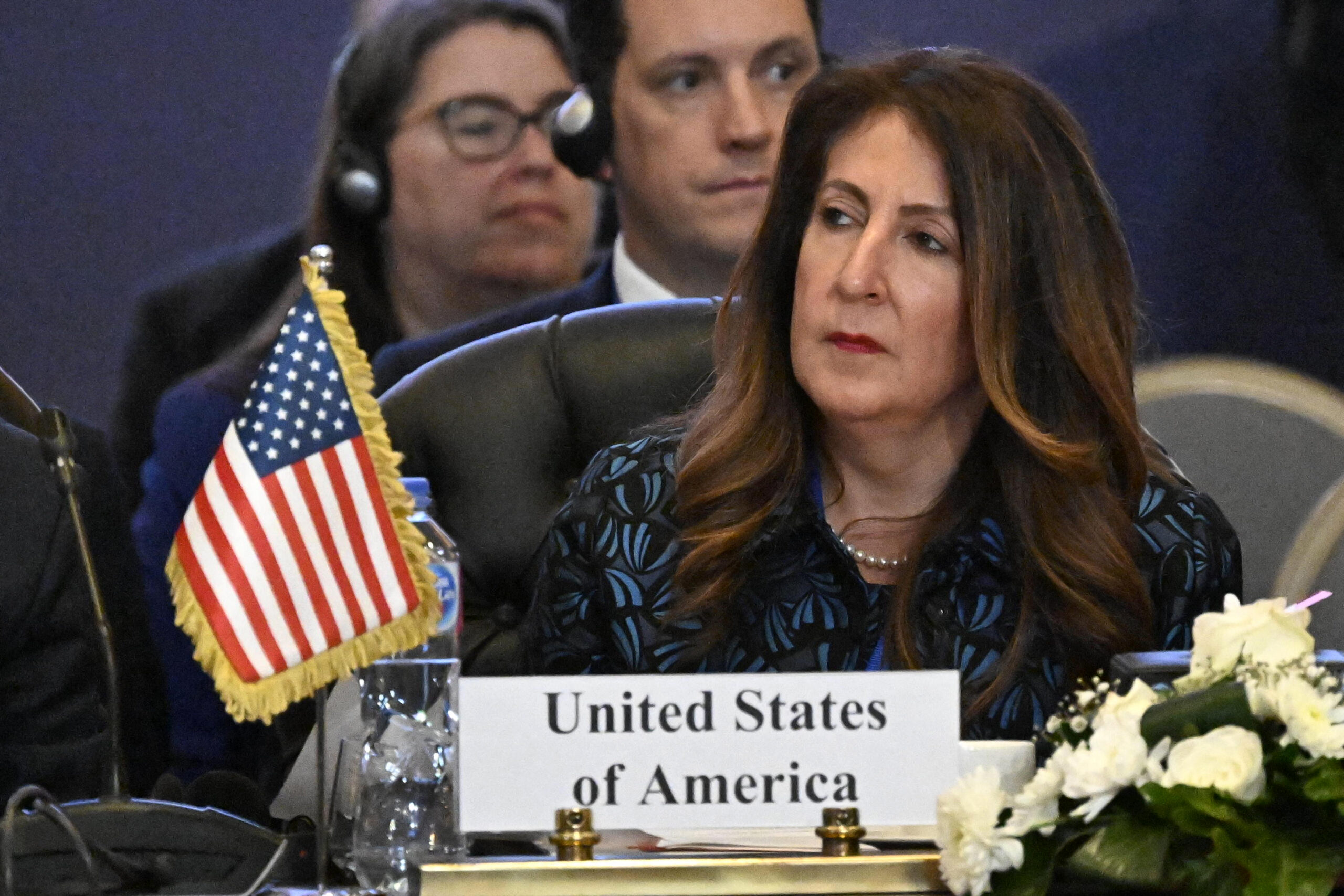
In recent discussions at the Aspen Security Forum, former U.S. Ambassador to Egypt, Herro Mustafa Garg, highlighted growing concerns over the deteriorating relationship between Saudi Arabia and the United Arab Emirates (UAE). This rift complicates U.S. foreign policy objectives in the region and underscores the necessity for a unified approach among Gulf Cooperation Council (GCC) members.
U.S. Interests at Stake
Garg emphasized that the ongoing hostilities, notably with Iran, are exacerbating tensions not only between Saudi Arabia and the UAE but also among other Gulf nations. He stated, “This animosity is detrimental to U.S. interests. To navigate complexities involving Iran and Iraq, it’s vital for the GCC to present a united front.” He warned that a fragmented Gulf could lead to increased unilateral actions towards Iran and internal conflicts among allied nations.
The discord between these two influential states has repercussions that extend beyond their borders, causing strife in regions like Sudan, Libya, and the Horn of Africa. Such instability directly challenges American interests, underscoring the urgency for the United States to bolster the cohesion within the GCC. “It is in our interest to strengthen the GCC as much as possible,” Garg asserted.
Challenges in Iraq
Garg also praised Iraqi President Ali al-Zaidi for his commitment to demilitarizing Iranian-backed militias in Iraq during his recent visit to Washington D.C. However, he cautioned that this endeavor could prove challenging due to both political complexities and Iran’s entrenched influence. “We need to support Iraq not as a contest between Iran and the U.S., but as part of a coalition involving the GCC,” he suggested.
Garg’s insights underline the necessity for concerted efforts to stabilize Iraq, particularly as it grapples with external pressures. Building a coalition that not only addresses Iranian influence but also nurtures a stable Iraqi government is crucial for U.S. national interests.
Reform and Governance in Palestine
Transitioning to the Palestinian issue, former Palestinian Authority Prime Minister Salam Fayyad urged for urgent reforms within the Palestinian Authority (PA) to improve governance and meet the fundamental needs of the Palestinian populace. He criticized the existing governance structure as ineffective, stating that it has lost legitimacy due to failures in providing for citizens. Fayyad proposed establishing a technocratic interim government with a clear timeline for elections to stabilize both the West Bank and Gaza.
He lamented the PA’s inability to initiate significant reform, attributing its stagnation to the refusal to abide by its own laws established in 2003. “The current structure makes it difficult to envision fundamental changes,” he noted. Nevertheless, Fayyad asserted that the PA remains essential and must be reshaped to reflect popular consensus and true legitimacy among the Palestinian people.
Realistic Solutions for Lebanon
In another panel discussion, journalist Kim Ghattas brought attention to Lebanon’s dilemma concerning Hezbollah. She argued that disarming the group is unrealistic given the constraints of the Lebanese Armed Forces (LAF). Instead, she advocated for a focus on legal and financial measures to counteract Hezbollah’s influence. “The government should concentrate on halting weapons shipments and enabling the state to deliver services to all its citizens,” she explained.
This perspective reflects a growing recognition that direct military action against non-state actors may not be feasible and that a more integrated approach involving governance and social contract may provide a path forward.
As the discussions continue to unfold, the themes of unity among GCC states, effective governance in Palestine, and realistic strategies for disarming militant groups in Lebanon emerge as critical areas that require attention for sustainable peace and stability in the region.