
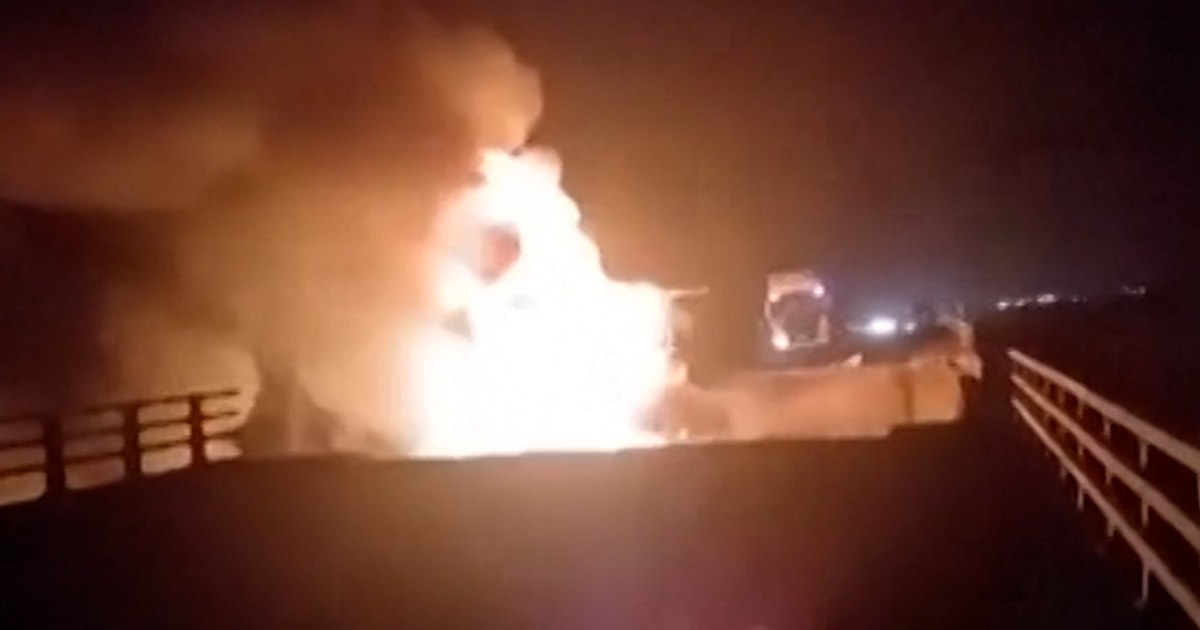
The ongoing military actions in Iran have led to significant infrastructure damage, particularly to critical bridges in the region. After the U.S. military conducted its sixth consecutive night of airstrikes, reports surfaced highlighting the extent of the destruction, raising concerns about the escalating conflict. As the geopolitical landscape shifts, many are closely monitoring the implications of these military operations on both regional security and international relations.
The Impact of U.S. Airstrikes on Iran’s Infrastructure
Reports indicate that U.S. strikes have been targeted at various military assets, focusing on coastal surveillance and air defense systems as well as logistical facilities. The aim of these operations is to disrupt Iran’s military capabilities and diminish its ability to project power in the region. The recent destruction of bridges not only disrupts transportation but also signifies a potential loss of strategic military supply routes, further complicating the already tense situation.
Additionally, the ongoing strikes have heightened fears of a broader conflict. Analysts suggest that such aggressive military actions might provoke retaliatory measures from Iran, pushing both nations closer to an armed confrontation. The targeted operational strategy aims to weaken Iran’s military logistics, but it also raises questions about the humanitarian implications of such strikes. Civilian infrastructure often becomes collateral damage in these types of military engagements, leading to potential civilian casualties and further destabilization of the region.
Geopolitical Repercussions
As the situation in Iran continues to unfold, the international community is left to grapple with the ramifications of U.S. actions. Diplomatic tensions are escalating, and countries around the globe are watching closely to determine how this conflict might impact regional allies and adversaries. The military operations have exacerbated existing divisions, with various factions within and outside Iran expressing their concerns about the potential for widespread conflict.
Moreover, Iran’s response to the U.S. strikes may influence its relationships with key partners, such as Russia and China, who have historically supported the Tehran government. The possible shift in alliances could alter the balance of power in the Middle East, prompting other nations to reassess their own military and diplomatic strategies in the region. The ongoing situation illustrates the complex web of international relations that can be disrupted by military actions, thus making the stakes higher for all involved parties.
The Role of Media in Shaping Perceptions
The narrative surrounding the U.S. strikes and their aftermath plays a crucial role in shaping public perception and policy response. Media coverage often focuses on the immediate aftermath of strikes, including images of destruction and civilian suffering. This portrayal can elicit strong emotional responses from the public, influencing government decisions and international policymaking.
Understanding how military operations are broadcasted can impact public support for continued actions or a push for diplomatic solutions. As drones and media technologies advance, real-time reporting becomes more prevalent, thereby increasing the urgency of public sentiment in response to military developments. This dynamic atmosphere underscores the importance of strategic communication as conflict unfolds in real time.
Conclusion: An Uncertain Future
The intensity of military operations in Iran raises considerable uncertainty about the future of U.S.-Iran relations and the broader geopolitical landscape in the Middle East. With both sides at a critical juncture, the potential for escalation remains high. As discussions among policy analysts and political leaders unfold, one thing is clear: the repercussions of these strikes extend far beyond the physical destruction of infrastructure, influencing future diplomatic engagements and regional stability. The coming weeks and months will be pivotal in determining whether the situation stabilizes or escalates into a larger conflict.