
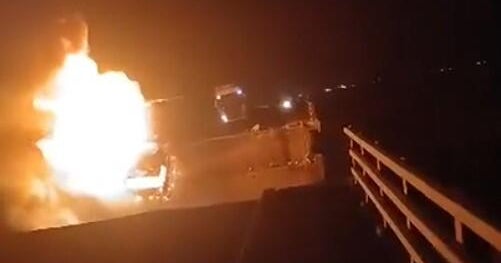
Since the collapse of the U.S.-Iran memorandum of understanding, maritime operations in the Strait of Hormuz have become increasingly perilous. Crews are now hesitant to navigate these waters, raising significant concerns within the maritime industry.
Increased Risks for Ship Crews
According to Dimitris Maniatis, CEO of Marisks, a Greek maritime risk management firm, recent developments have severely affected transit through the Strait of Hormuz. He noted that vessels, particularly those owned by risk-averse individuals, had managed to exit the Persian Gulf when conditions appeared more favorable. “Vessels that were trapped inside for a long time are finally on the move, and everyone was relieved,” Maniatis said during a Lloyd’s List intelligence briefing. However, the current climate has shifted drastically, plunging stakeholders back into a state of heightened concern.
Surge in Hostility Towards Commercial Shipping
Maniatis highlighted a worrying trend: a significant decline in ship transits through the Strait, alongside a rise in aggressive incidents targeting commercial vessels since the end of a recent ceasefire. This escalation in threats has sent shockwaves throughout the maritime community. Crew members, in particular, have expressed their apprehensions, making it clear that their willingness to navigate these treacherous waters has evaporated. “The fear dominating the decision-making process has overshadowed any financial considerations or other motivations,” he explained.
Impact on Global Oil Prices
The uncertainties surrounding maritime security have had direct implications for global oil prices. On a given Thursday, Brent crude, the international oil benchmark, experienced a price increase of approximately 1%, nearing $85 per barrel. Similarly, the U.S. benchmark crude also rose, trading just below $80 per barrel. The immediate correlation between rising insecurity in the Strait and fluctuating oil prices indicates the vulnerabilities facing the energy market, which relies heavily on safe transit through this critical chokepoint.
The Way Forward for Maritime Operations
With the current atmosphere of fear and uncertainty, maritime operators are faced with a challenging future. While financial incentives remain relevant, it’s clear that safety has become the primary concern for crews. Navigating the Strait of Hormuz under such conditions necessitates a reevaluation of risk management strategies and timelines. As stakeholders seek to restore a sense of security and predictability, proactive measures may be required to mitigate threats and reassure maritime personnel.
In summary, the deteriorating conditions following the U.S.-Iran agreement breakdown have led to a significant shift in maritime operations within the Strait of Hormuz. With crews increasingly reluctant to sail through these dangerous waters, the ramifications extend beyond shipping firms to the global oil market. As the situation evolves, ensuring the safety of maritime operations will be paramount for the stability of both the shipping industry and global energy prices.