
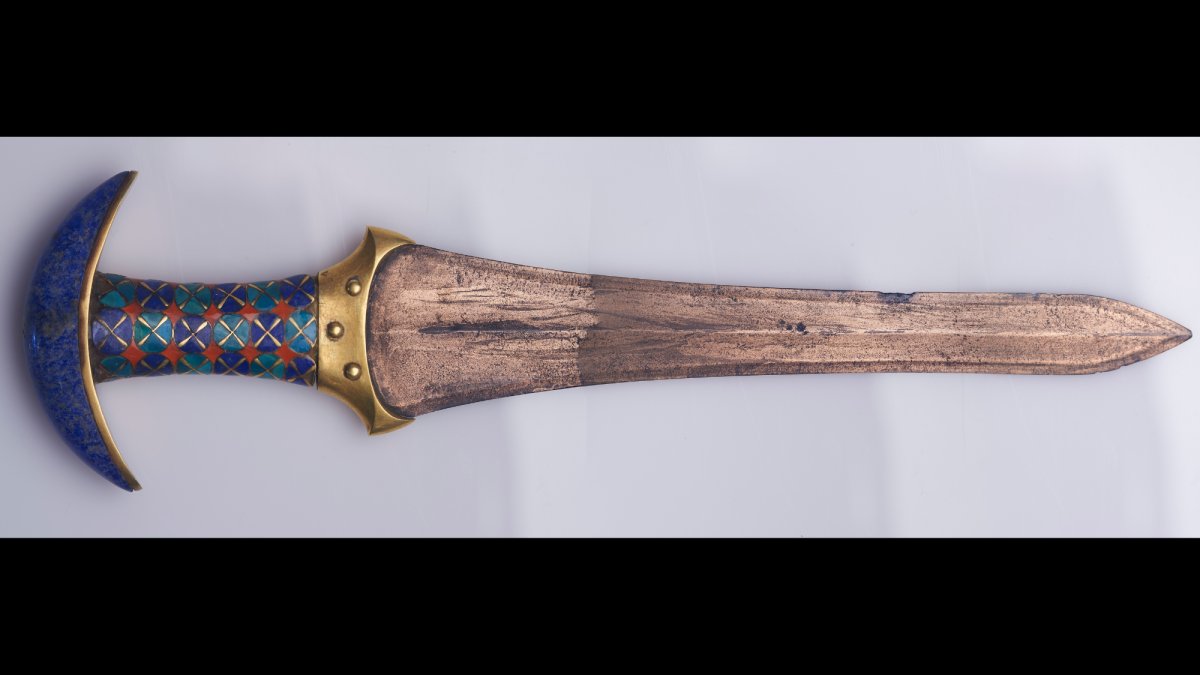
The intriguing lives of ancient Egyptian royalty are often shrouded in mystery, with recent discoveries pushing boundaries in our understanding of their roles. New research has revealed that women in the royal family not only participated in traditional activities like archery and hunting, but they also actively used weapons previously thought to be ornamental. This groundbreaking analysis sheds light on the lives of six ancient princesses buried in the pyramids at Dahshur, challenging long-standing perceptions about gender and power in ancient Egypt.
Unearthing History: The Dahshur Burials
Archaeologists have long debated the significance of weapons found in the tombs of ancient Egyptian women. A recent examination of six princesses, conducted by Zeinab Hashesh and her colleagues from Egypt’s Beni-Suef University, provided compelling evidence that these royal women were skilled in combat and archery. This conclusion not only enhances our understanding of their lifestyle but also reshapes the narrative around gender roles in ancient Egypt.
The tombs of these princesses contained various weapons, including bows, arrows, and ornate daggers. Excavated in the late 19th century, these artifacts had remained largely unexplored until the recent application of modern analytical techniques and a rediscovery initiative at the Egyptian Museum. By thoroughly examining the mummies, researchers established that these women were far more than passive nobles; they were active participants in their society.
Physical Evidence of Warrior Queens
Upon studying the skeletal remains, it became evident that physical activity was an integral part of these princesses’ lives. Princess Ita, for instance, exhibited strong muscle attachments indicative of a history of weapon use, suggesting that she wielded maces or daggers. Similarly, her sisters showed signs of rigorous physical training, with Princess Itaweret demonstrating characteristics consistent with skilled archery.
The collective traits of the skeletons indicated high-intensity activities, such as bowstring release and weapon handling. Notably, the presence of healed fractures and nutritional deficiencies suggested that these women faced significant physical challenges yet had access to advanced medical care. Such findings lead researchers to believe that the weapons buried with them were not mere symbols of status but essential tools in their daily lives.
Conclusions from Advanced Analysis
Despite the lingering mystery surrounding their completely missing skulls, sufficient skeletal fragments provided valuable insights into the health and physical attributes of these women. For instance, Princess Khenmet’s thinning bones contrasted with strong ligament attachments, indicating a life of strenuous activity. The evidence of healed injuries, like fractures, suggests they received care that would have been advanced for their era.
Hashesh’s team aims to go beyond merely identifying these royal figures; they aspire to reconstruct their lives, health, and even political influences. By employing stable isotope analysis in future studies, they hope to gain deeper context regarding nutritional issues within the family.
Ultimately, this research not only clarifies the multifaceted roles of women in ancient Egypt but also emphasizes the advance of archaeological techniques. As we continue to uncover stories from the past, our understanding of ancient civilizations, particularly concerning gender dynamics and societal structure, continues to evolve. The legacy of these warrior princesses will undoubtedly ignite discussions about power and capability that persist to this day.