Writers often face creative hurdles, but my challenge is different—I experience a bottleneck. Each week presents an influx of potential topics, all vying for my time and focus. The result is a struggle not just to select the most pressing issue, but also to manage the torrent of ideas that follows.
Politics and Its Consequences
In recent weeks, ongoing stories have transcended their immediate timelines, spilling into the current news cycle. Rahm Emanuel’s strategic speech at Tel Aviv University, coupled with numerous media appearances, has established him as a prominent contender for the Democratic presidential nomination. Emanuel poignantly pointed out to Israel, “You do not harbor a problem with the Democratic Party; you have an American problem.” This statement highlights the shifting landscape of U.S.-Israel relations amid changing political and cultural climates.
Critics like Micha Danzig have articulated skepticism about Emanuel’s motivations, suggesting he is less a principled advocate and more a calculating individual conforming to party shifts. According to him, a true ally does not employ the language of Israel’s harshest critics under the guise of “tough love.” Such sentiments have intensified the ongoing debate regarding America’s stance towards Israel.
Provocation and Narrative Management
In a contrasting scenario, Congressman Ro Khanna’s recent visit to the West Bank was carefully engineered to provoke confrontation. The intention behind this uncoordinated appearance was to ignite controversy—a tactic well known among activists and journalists. The resulting conflict typically attracts significant media attention, overshadowing substantive discussions on the complex conditions in the region. Notably, as Zvika Klein from the Jerusalem Post observed, Khanna’s account of his detention experienced embellishment in retelling, revealing more about the power of narrative in the social media era than about the actual events.
The repetition of incendiary words such as “genocide,” “apartheid,” and “colonialism” generates impactful buzz, often undermining the nuances in actual situations. These buzzwords, devoid of context, allow for unchecked narratives that could mislead public perception.
Broader Implications of Political Dynamics
The recent loss of Senator Lindsey Graham, a staunch supporter of Israel, has further complicated these conversations. Described as a true friend of Israel, his commitment was based on genuine concern for the nation’s security rather than political expediency. Graham’s deep understanding of the geopolitical threats posed by the Russian-Iranian-Chinese axis is a perspective that feels increasingly rare.
The chaos of mournful chants in Iran following presidential figure Ali Khamenei’s funeral marks the stark realities faced by Israel and the West. Following these events, Iranian military activities raised immediate alarms, demonstrating that stability in the region remains an elusive goal—a reality compounded by calls for sanctions.
Regional Power Plays: Qatar and Turkey
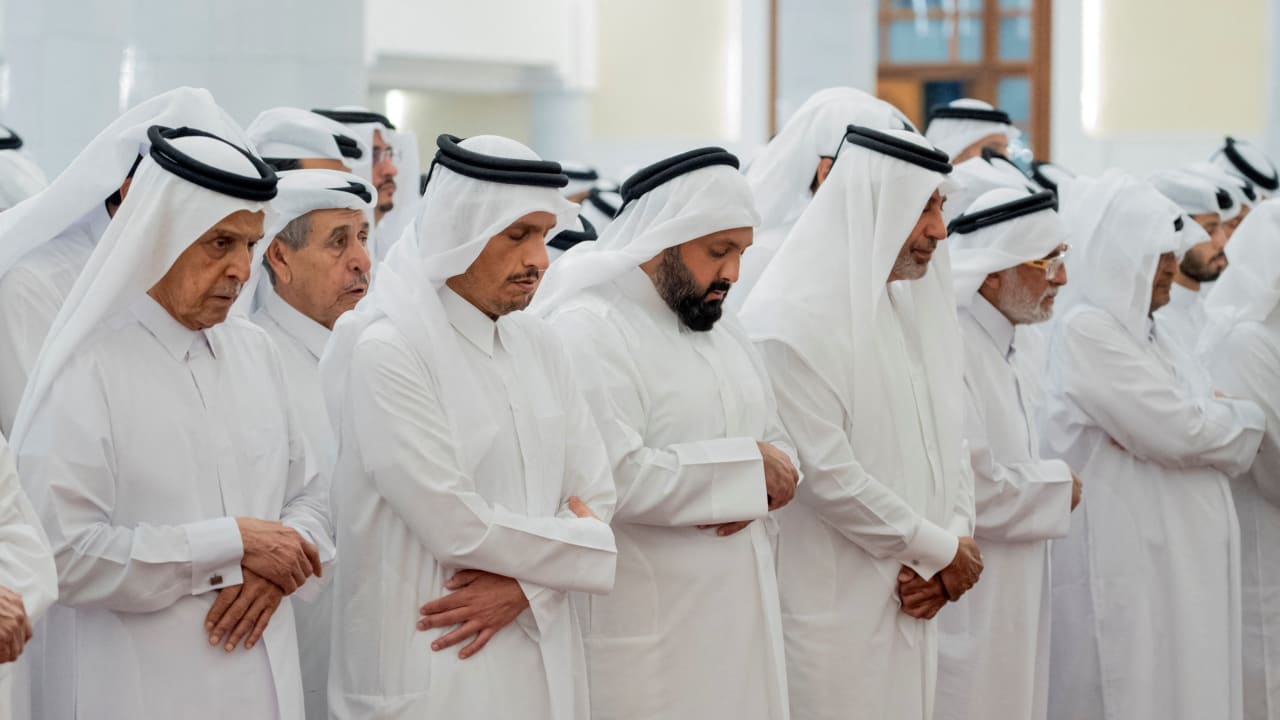
In the larger context of Middle Eastern dynamics, recent deaths of influential leaders reflect shifting tides. Qatar remains a pivotal player in various controversies, including its ties to Hamas and its double-edged nature in international relationships. The widow of former leader Sheikh Hamad has become an emblem of Qatar’s intricate strategy of advancing its interests through “gifts” and supporting extremist agendas.
Turkey under President Recep Tayyip Erdogan also poses challenges. His rhetoric against Israel and open support for Hamas suggests a revitalization of Ottoman-era aspirations, fueling concerns among regional neighbors. Many worry that further U.S. military supplies to Turkey, such as the coveted F-35s, may exacerbate tensions rather than promote peace.
In summary, as we navigate these convoluted narratives and alliances, it is crucial to critically assess the motives and implications behind each political maneuver. The impact of their actions will shape the geopolitical landscape in ways we may not fully understand yet.