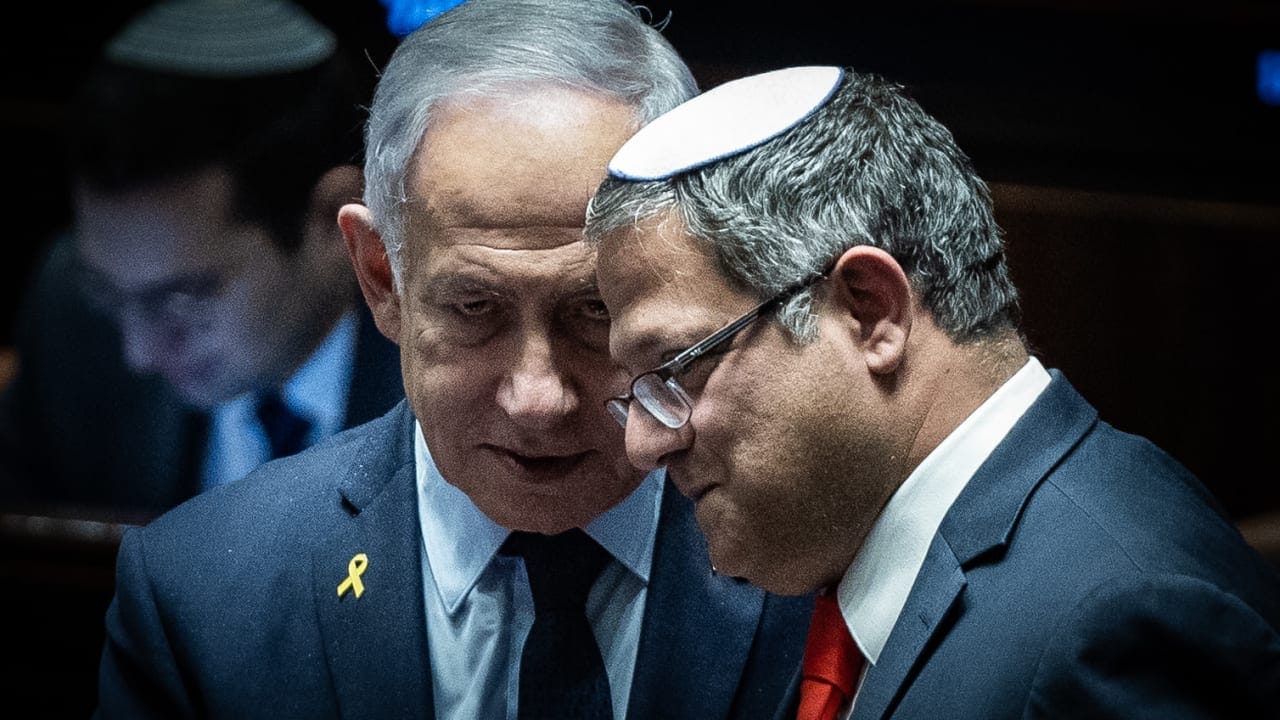
Prime Minister Benjamin Netanyahu is shifting his electoral approach as he aims to consolidate support within smaller right-wing factions, anticipating upcoming elections. By focusing on individual voters instead of persuading party leaders to withdraw, his strategy is centered on ensuring the maximum backing for his political alignment.
Netanyahu’s Commitment to Retaining Power
Netanyahu’s main goal remains to maintain his role as prime minister, even at the potential cost of existing alliances. He appears open to forming a unity government while distancing himself from certain partners, such as National Security Minister Itamar Ben-Gvir, the leader of Otzma Yehudit. This new tactic comes as he reassesses his coalition’s landscape and looks for opportunities to strengthen his position among right-leaning voters.
Targeting Voters from Smaller Parties
After unsuccessful attempts to convince Ofer Winter from the People of Israel party and Moti Leitner, the chairman of the Haredi Public party, to exit the race, Netanyahu’s Likud party is now trying to reclaim their supporters. By redirecting these voters back to established parties within the right-wing coalition, he hopes to amplify the overall vote count for his bloc.
Analysts suggest that Netanyahu believes he can secure victory if he can bolster voter turnout from within his own ranks. He seems less concerned about appealing to anti-Netanyahu voters and more focused on solidifying his core bloc’s strength.
Strategic Messaging Against Political Rivals
This campaign strategy also involves vigorous criticism of Winter and Leitner, accusing them of endangering the chances of the right-wing bloc securing a majority in the Knesset. Compared to past elections, where fragmentation hurt right-wing parties, Netanyahu is cleverly using this narrative to warn voters against supporting lists that may not meet the electoral threshold.
Neatly wrapped in a lengthy Facebook message, Netanyahu expresses concerns about past electoral histories where divided votes led to significant losses for the right wing. However, instead of solely targeting the party leaders for concessions, he is appealing directly to their supporters, urging them to consider backing Likud or more viable options that can secure seats in the Knesset.
A Focus on Electoral Viability
Overall, this strategic pivot indicates that Netanyahu is not only thinking about immediate results but is also laying the groundwork for long-term political survival. By concentrating efforts on uniting right-wing voters behind parties with a practical chance of success, he aims to enhance the probability of maintaining his government.
Through sharp criticism and an appeal for loyalty among voters, Netanyahu is redefining his campaign approach, making it increasingly vital to draw voters from smaller factions toward his established parties. As the elections approach, this tactic may shift the dynamics of the political landscape in Israel significantly.