
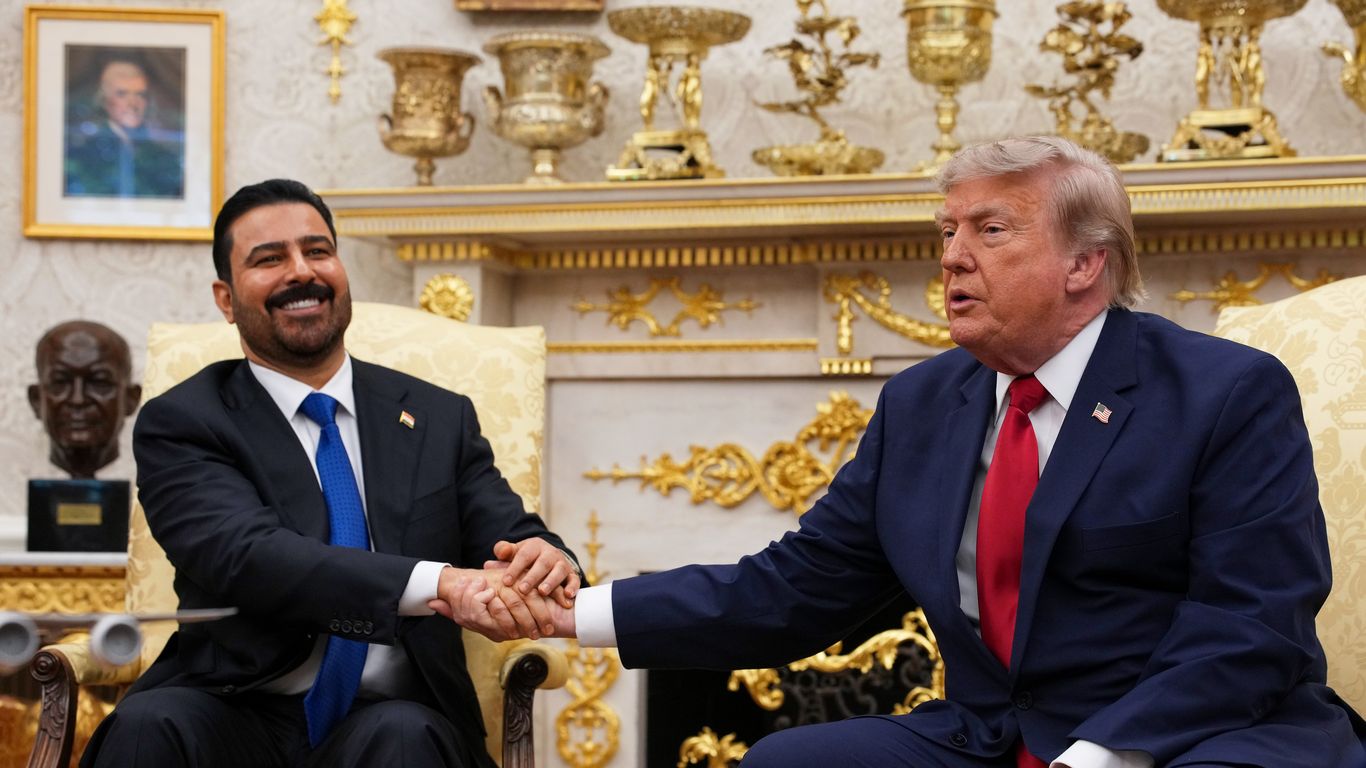
Iraq’s political landscape is characterized by a complex interplay between influential external powers, notably the United States and Iran. The current Iraqi Prime Minister finds himself in a challenging position, trying to maintain equilibrium between these two nations while also addressing the diverse needs of his country.
Strategic Relationships with the United States
The relationship between Iraq and the United States has evolved significantly over the years, especially following the 2003 invasion. With ongoing commitments to security cooperation and economic aid, the U.S. plays a crucial role in Iraq’s stability and development. The Iraqi Prime Minister must maneuver carefully to uphold this partnership, balancing cooperation with U.S. interests alongside the growing influence of regional neighbors, particularly Iran. This requires diplomatic finesse to ensure Iraq benefits from U.S. support while also maintaining national sovereignty.
Influence of Iran in Iraqi Politics
Iran has been a substantial player in Iraq’s political arena, especially in the aftermath of the U.S. invasion. Iranian-backed militias and political factions exert considerable influence over various governmental processes. The Prime Minister’s challenge lies in managing this relationship, ensuring that Iran’s interests do not overshadow Iraq’s autonomy. While Iran offers military support and economic ties, it also complicates Iraq’s foreign policy, as the country risks becoming a battleground for Iranian and American interests. The Prime Minister’s ability to navigate this complicated dynamic is critical for achieving long-term stability and fostering a unified national identity.
Economic Considerations and National Development
Iraq’s economy is heavily reliant on oil exports, making it vulnerable to fluctuations in global oil prices. The Prime Minister is tasked with diversifying the economy and attracting foreign investments while balancing the demands from both Washington and Tehran. This involves implementing effective economic reforms that can stimulate growth and provide jobs for the Iraqi population. Engaging with the U.S. for technology transfer and investment opportunities is essential, but so is negotiating favorable terms with Iran for energy supplies. The strategic management of these economic relations can greatly influence Iraq’s development trajectory.
The Path Ahead for Iraq
Looking ahead, the Iraqi Prime Minister must pursue a multifaceted approach to navigate the complexities of external influences. By fostering dialogue with both the U.S. and Iran, he can work toward a more stable and sovereign Iraq. This includes prioritizing national interests over external pressures, promoting regional cooperation, and focusing on internal reforms. Strengthening democratic institutions and enhancing public services can aid in building trust among the Iraqi populace, which is pivotal for maintaining social cohesion amidst external rivalries.
In conclusion, Iraq’s political future hinges on the Prime Minister’s capability to balance relationships with both Kinetic powers. By pursuing strategic alliances while preserving the country’s autonomy, he can steer Iraq toward a path of sustained stability and prosperity, ultimately benefiting the nation and its citizens.