
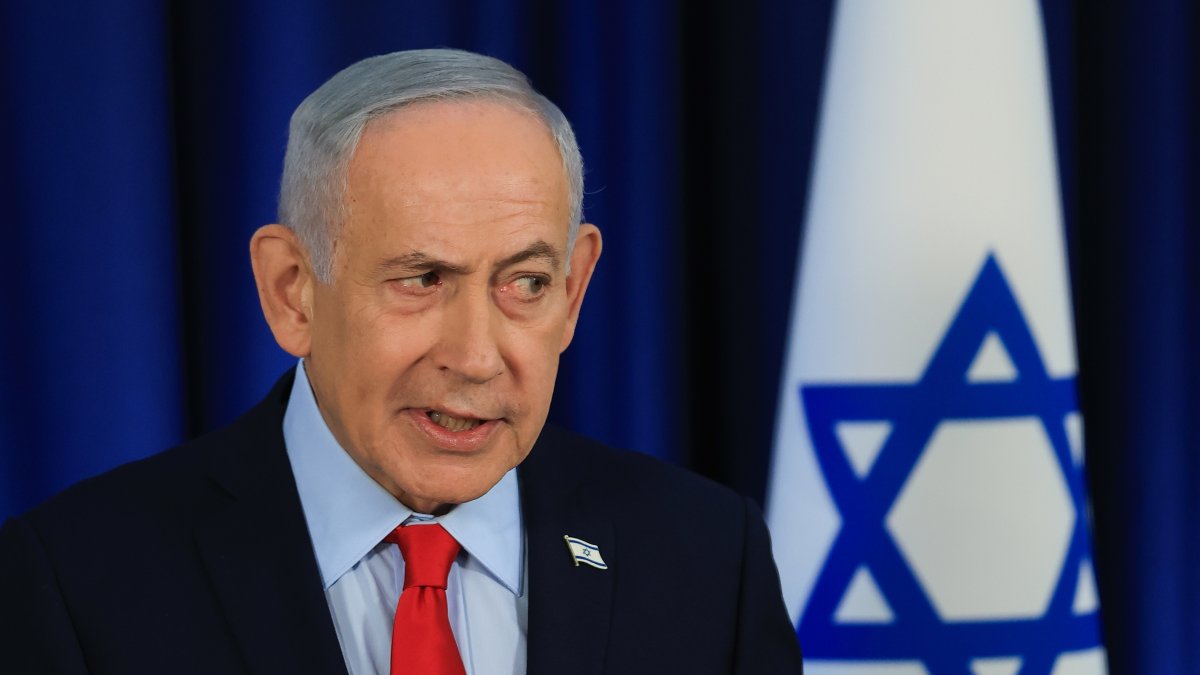
As Israel approaches its elections on October 27, Prime Minister Benjamin Netanyahu’s increasingly aggressive stance towards Türkiye has garnered significant attention. Analysts suggest that this rhetoric may be a tactical maneuver aimed at rallying right-wing voters by designating Ankara as a key adversary.
The Political Context Behind Anti-Türkiye Sentiment
Netanyahu’s actions seem to align with comments made by Turkey’s Foreign Minister Hakan Fidan, who noted that Netanyahu appears to be on a quest for an external enemy to bolster his electoral campaign. This anti-Türkiye narrative serves to heighten nationalist sentiments within Israeli society, justify military operations, and solidify support among right-wing religious nationalists ahead of the elections. Ozan Örmeci, a political scientist, emphasizes that this framing is particularly aimed at hardline constituencies that resonate with such incendiary rhetoric.
An analysis by the Israeli newspaper Haaretz highlights this trend, depicting Netanyahu as portraying Türkiye as a significant threat to Israel. The article connects this rhetoric with concerns surrounding Türkiye’s pursuit of F-35 fighter jets from the United States. Recent diplomatic interactions between President Recep Tayyip Erdoğan and former President Donald Trump have fueled worries within Israel. As elections draw closer, Netanyahu has engaged in a flurry of media appearances and statements aimed at countering any potential arms deals between the U.S. and Türkiye.
The Role of Election Dynamics
In an effort to reinforce his image as “Mr. Security,” Netanyahu has intensified claims that Türkiye poses a strategic threat not just to Israel but to the broader Middle East, Europe, and the United States. This sharp rhetoric is not limited to Netanyahu; former Prime Minister Naftali Bennett and other political figures have also joined in criticizing Türkiye and Qatar. This collective rise in adversarial rhetoric suggests a broader trend among Israeli politicians seeking to consolidate their support base as the elections near.
Moreover, prompts for heightened anti-Türkiye sentiments come amid Netanyahu’s concerns about the implications of a potential revival of U.S.-Türkiye relations under Trump. The Israeli Prime Minister’s remarks underscored his commitment to maintaining Israel’s “military air superiority” in the region, hinting at a fear of losing leverage should Türkiye re-enter the F-35 program.
Strategic Risks and Future Relations
Örmeci notes that escalating tensions could pose risks to both countries, but conjectures that the likelihood of direct conflict is minimal, primarily because both Israel and Türkiye share U.S. alliances. He argues that the current rhetoric stems more from internal political calculations than genuine security concerns. As politicians like Netanyahu and Bennett work to amplify threats, it raises questions about the durability of these narratives once the elections are over.
Looking beyond the immediate electoral cycle, there could be a shift in Israeli government dynamics, potentially led by other figures like Yair Lapid. If a new administration emerges, it might adopt a less aggressive stance towards Türkiye, allowing for improved bilateral relations. However, with Netanyahu’s history of framing external entities as threats during times of political weakness, the adversarial rhetoric could continue even under new leadership.
In conclusion, as Israeli politicians ramp up their anti-Türkiye rhetoric in the run-up to the elections, it appears to be a calculated attempt to rally support amidst a complex backdrop of regional politics and shifting alliances. With both nations navigating a delicate diplomatic landscape, the political narratives crafted today may have lasting effects on future relations.