
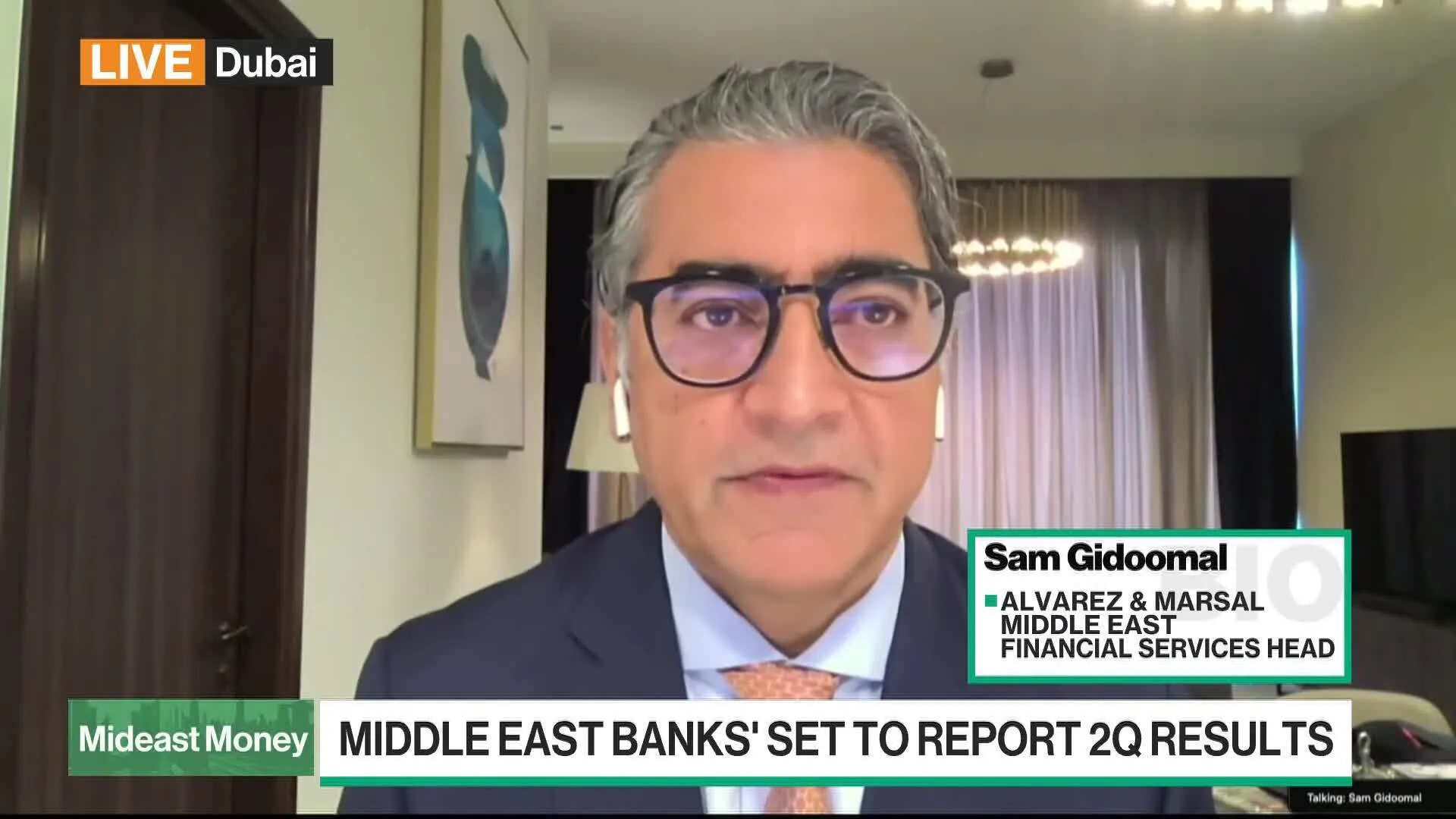
This week, banks in the Gulf Cooperation Council (GCC) are set to announce their second-quarter earnings. As geopolitical tensions and fluctuating oil prices influence the financial landscape, the outlook for investment and banking in the region is evolving. Experts, including Sam Gidoomal from Alvarez & Marsal, weigh in on how the ongoing conflict between the US and Iran might affect foreign direct investment (FDI) and banking performance in the foreseeable future.
Impact of Geopolitical Tensions
The current geopolitical climate, particularly the conflict involving Iran, has become a significant concern for the GCC region. Investors typically seek stability, and prolonged uncertainty can deter foreign investments. Bloomberg Intelligence suggests that the tensions may dampen FDI well into next year, as potential investors take a cautious approach toward entering markets affected by such instability.
In light of this geopolitical backdrop, banks operating within the GCC are reassessing their strategies to navigate potential risks. The repercussions of regional conflicts can ripple through various economic sectors, including banking and finance, creating a more precarious environment for revenue growth. For banks that depend heavily on cross-border transactions and investment inflows, the stakes are incredibly high.
Oil Prices and Their Influence
In addition to geopolitical risks, oil prices are also playing a pivotal role in shaping the economic landscape of the GCC. As one of the world’s most oil-dependent regions, fluctuations in crude oil prices can directly influence government revenues and, by extension, banking profitability. Rising prices may boost revenue, while falling prices can tighten budgets and diminish investments.
This year, oil prices have experienced volatility, further complicating the financial picture for regional banks. The relationship between oil prices and banking performance is intricate; strong oil markets can foster growth, while downturns can result in reduced lending and tighter profit margins. As banks prepare to report their quarterly earnings, the interpretation of current oil price trends is crucial for understanding their financial health.
Future Outlook for GCC Banks
Considering the dual pressures of geopolitical uncertainty and fluctuating oil prices, what does the future hold for GCC banks? Analysts will be keen to explore how well banks have adapted to these ongoing challenges. The second-quarter earnings reports are likely to reveal invaluable insights into the financial institutions’ resilience and strategy.
Furthermore, as the region works to diversify its economies away from oil dependence, banks are also looking to enhance their service offerings and technology adoption. This proactive approach may not only mitigate risks but can also prepare them better for potential economic shifts. Monitoring how banks respond to geopolitical developments and changes in commodity prices will be vital for stakeholders and investors alike.
In summary, the upcoming earnings reports from GCC banks will serve as a barometer for the current economic environment shaped by geopolitical tensions and oil prices. Stakeholders will be watching closely, as banks navigate this complex landscape, adapting their strategies to safeguard their financial futures amidst uncertainty.