
Iran’s military actions in the Strait of Hormuz and the ensuing regional tensions are significant events in the ongoing Middle Eastern crisis. A recent attack on a tanker by Iran has compelled the crew to evacuate, further escalating hostilities in this crucial waterway.
Iran’s Recent Actions in the Strait of Hormuz
Iran’s assault on a commercial tanker on Tuesday was the latest in a series of aggressive actions in the Strait of Hormuz, a key global trade route. Following the attack, Yemen’s Iran-backed Houthi forces declared a maritime blockade against Saudi Arabia in the Red Sea. This decision stemmed from recent exchanges of gunfire between the two parties, marking a notable escalation in their ongoing conflict after years of relative silence.
In response, a spokesperson for the Houthis stated that the Bab al-Mandeb strait, essential for around 12% of the world’s maritime commerce, would be inaccessible to Saudi vessels. This blockade aims to retaliate against what they describe as an “unjust blockade” against Yemen that has persisted for over a decade. Saudi Arabia, for its part, vowed to take all necessary precautions to ensure the safety of its shipping operations in accordance with international law.
U.S. Military Response and Its Impact
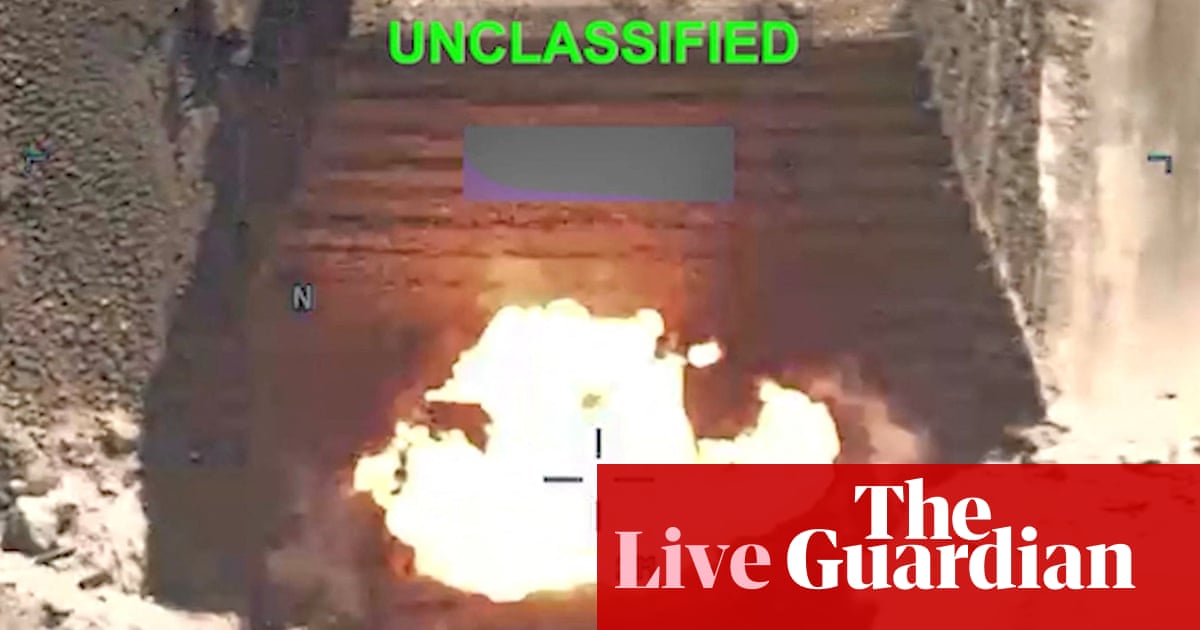
The United States has conducted multiple airstrikes targeting Iranian military capabilities, aiming to constrain Iran’s capacity to threaten commercial shipping in the region. Despite these strikes occurring over ten consecutive nights, Tehran’s hold on the Strait of Hormuz shows no signs of weakening. This enduring tension has prompted heightened discussions in U.S. circles regarding military engagements and strategic responses.
Iranian leadership, while signaling a state of “full-scale war,” has also engaged diplomatically; recently, their interior minister visited Pakistan, seeking to mediate the situation. This juxtaposition of military aggression and diplomatic dialogue underscores the complex dynamics shaping the current conflict.
Broader Regional Ramifications
The repercussions of these developments extend beyond Iran and Saudi Arabia. Reports indicate that Iran has targeted U.S. military assets in Bahrain, Kuwait, and Jordan, intensifying fears of broader regional instability. Notably, Democratic legislators in the U.S. are using the recent fatalities of American service members to call for a reevaluation of military strategies regarding Iran, amplifying concerns over escalating casualties.
As oil prices experienced fluctuations amid these tensions, with prices softening slightly after reaching monthly highs, the implications for the global economy remain significant. The uncertainty in the region can adversely affect energy supply chains worldwide, creating pressures not only on political relations but also on economic stability.
In summary, the situation in the Strait of Hormuz and surrounding areas reflects a complex interplay of military, political, and economic factors, imprinting a critical phase in Middle Eastern geopolitics. Continued monitoring of these developments will be essential for understanding their potential impacts in the near and long-term future.