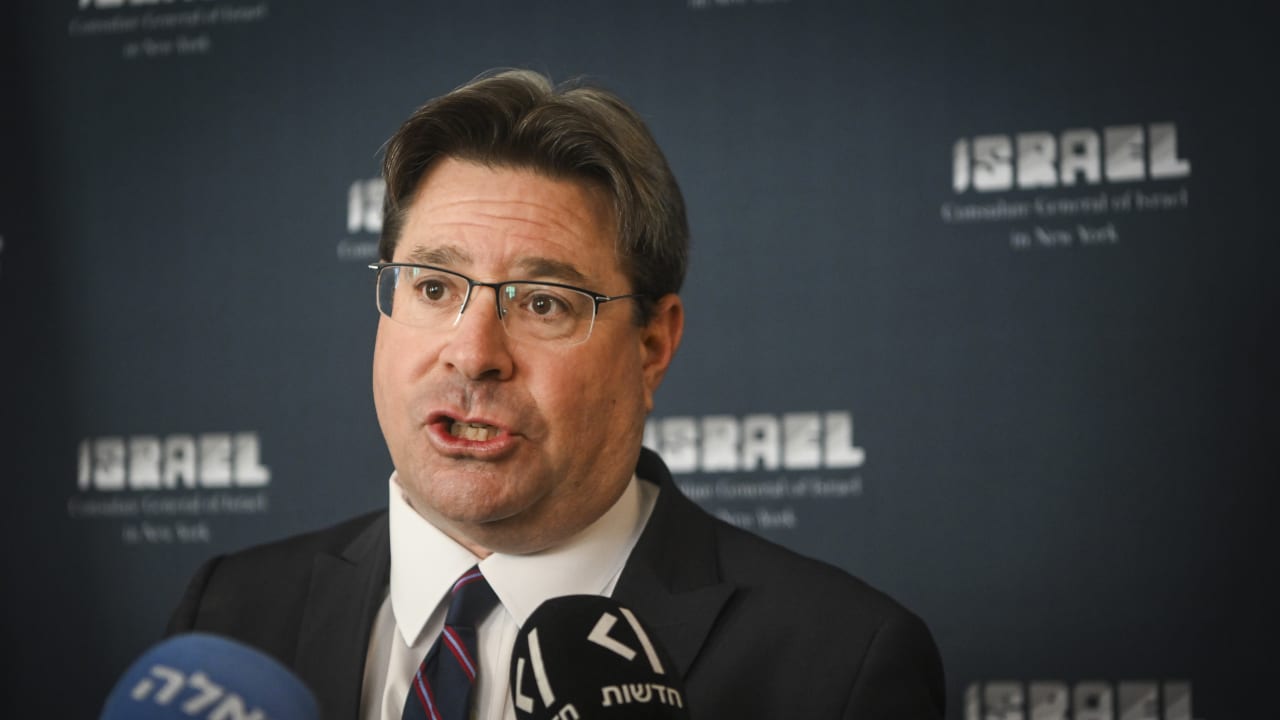
In an increasingly polarized political climate, tensions between different factions can escalate quickly. Recent remarks by Israel’s consul general in New York, Ofir Akunis, exemplify this, as he drew controversial parallels between New York City’s leadership and Nazi Germany in a discussion about a boycott of Israel.
Akunis Labels Mayor Mamdani as ‘Antisemite’
During an interview with the Jewish Telegraphic Agency, Akunis did not hold back when commenting on New York City Mayor Zohran Mamdani’s decision to revoke an executive order originally established by Eric Adams that countered the Boycott, Divestment, Sanctions (BDS) movement against Israel. By labeling Mamdani an “antisemite,” as well as attributing rising antisemitic sentiments and attacks on Jewish institutions directly to the mayor, Akunis crossed into controversial territory. His assertion is significant not only because of its severity but also due to the historical context he invoked.
This rhetoric illustrates a clear shift in how Israeli officials communicate about their relationships with local leaders in the U.S., especially in a city known for its historical alliance with Israel. Mamdani, who has openly criticized Israel’s policies, presents a new challenge for Israeli diplomats and elevates the stakes in discussions surrounding international relations.
Criticism from the Jewish Community
Responses within the New York Jewish community have been mixed. Margo Hughes-Robinson from the New York Jewish Agenda emphasized the inappropriateness of equating contemporary unease about antisemitism with the suffering of Holocaust survivors. Many in the community fear that such inflammatory language could exacerbate existing tensions rather than contribute to a constructive dialogue. While Akunis argues his comments serve to raise awareness of antisemitism’s historical roots, others believe it only heightens fear and divisions.
Hughes-Robinson described Akunis’ remarks as “unproductive” and disrespectful to those who suffered during the Holocaust, adding that both sides need to moderate their rhetoric. This opinion has found resonance among progressive Zionists who advocate for a more diplomatic approach to addressing the complexities surrounding Israel and its detractors.
Akunis’ Position and Broader Implications
Akunis finds himself in a unique role, representing Israel during a time of considerable political shift both domestically and abroad. His ties to Prime Minister Benjamin Netanyahu’s right-wing Likud party highlight the tension between his government’s position and that of progressive leadership like Mamdani. As New York’s mayor gains traction among pro-Palestinian advocates, the diplomatic landscape becomes increasingly intricate for Israeli representatives striving to maintain strong relationships with Jewish communities and local leaders.
Importantly, Akunis has already distanced himself from Mamdani, stating that he will engage only when the mayor acknowledges Israel as a Jewish state. This inflexibility could complicate potential dialogue, turning what could be a relationship built on mutual understanding into an ongoing contention—a critical concern as the rise of antisemitism grows in various communities.
Assessing the Future
As antisemitic incidents rise, with a reported 8.5% increase in New York City alone, the environment grows increasingly fraught. Akunis blamed Mamdani’s leadership for this trend, intensifying accusations and aligning them with the political landscape back in Israel. These accusations underscore the intricacies of political dialogue in a globalized environment where local actions can have international repercussions.
In essence, the confrontation between Akunis and Mamdani reflects deeper societal divides. The implications of this discourse undoubtedly extend beyond individual relationships, affecting broader perceptions of Israel and Jewish communities in the United States. Both sides will need to navigate these complexities carefully to avoid further escalation in tensions by promoting dialogue over division.