
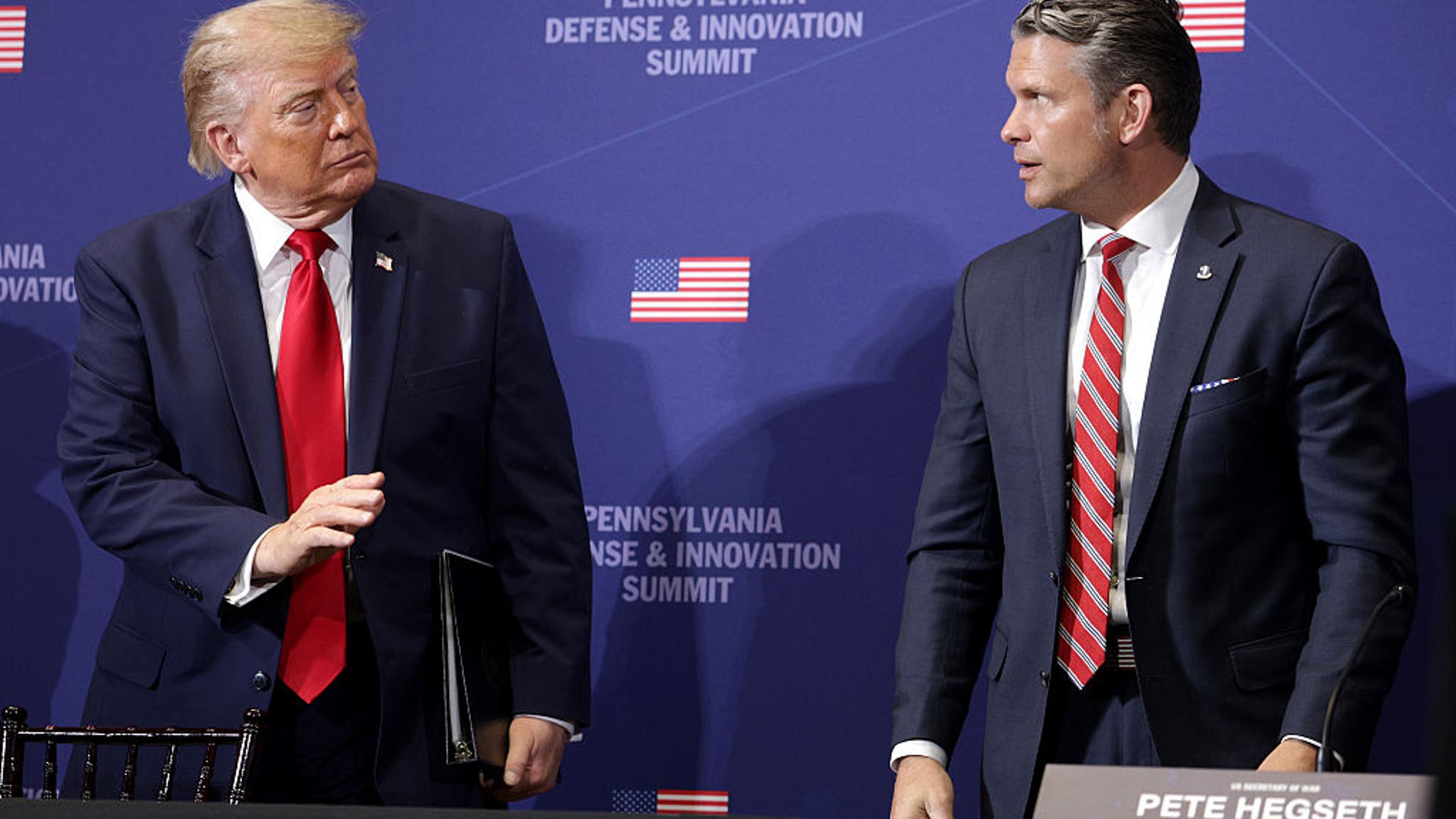
Former President Donald Trump’s foreign policy decisions have drawn considerable scrutiny, particularly regarding their impact on U.S. military personnel and foreign relations. As tensions escalate in various regions, including Iran, lawmakers and military experts are raising alarms about the ongoing consequences of these policies.
The Urgency of U.S. Military Involvement
Frustration is palpable among many Democratic legislators who argue that Trump’s approach to foreign conflicts places American troops in unnecessary peril. One prominent lawmaker articulated that “every second Trump prolongs his war in Iran is another second our service members remain in danger.” This sentiment reflects a deeper concern about the human cost of foreign interventions and the implications for national security.
As military conflicts continue, the need for a reevaluation of U.S. strategies has never been more urgent. Critics argue that prolonged military engagement often leads to increasing violence and instability rather than resolution. The situation in Iran highlights the complexities of diplomacy, where an aggressive stance can have dire consequences not only for soldiers but also for the geopolitical landscape.
Impact on Foreign Relations
Trump’s foreign policy has often been characterized by a more confrontational approach, particularly in regions that have historically been sensitive to U.S. involvement. While some supporters claim this strategy is necessary for maintaining global power, critics argue it has alienated potential allies and intensified adversarial relationships. The rhetoric surrounding Trump’s administration has the potential to create lasting damage to alliances that have taken decades to build.
The unrest in Iran serves as a prime example where militaristic posturing has led to escalated tensions. As the U.S. increased its military presence in the region, Iran has responded with its own displays of force, leading to a dangerous cycle of provocation and retaliation. The ramifications of these actions extend beyond immediate military concerns; they can also destabilize entire regions, prompting humanitarian crises and threatening global security.
Calls for Diplomacy Over Warfare
In light of these concerns, voices advocating for a shift toward diplomatic solutions have grown louder. Experts emphasize that engaging in constructive dialogue may yield better outcomes than continued military incursions. Reinforcing diplomatic channels could not only mitigate risks to service members but also foster a more stable international environment.
The growing call for diplomacy highlights the need for effective foreign policy that prioritizes peace over aggression. Such a strategy would not only protect American soldiers but could also contribute to more comprehensive and long-lasting solutions to conflicts abroad. As lawmakers and military officials continue to voice their apprehensions, the discourse around U.S. foreign policy remains a crucial conversation for the future of national and global security.
The discourse around Trump’s foreign policy is critical not just for its immediate effects but also for its lasting implications on U.S. military strategy and international relations. Acknowledging the consequences of prolonged military engagements may lead to a reimagining of how the United States approaches its role in global conflicts, prioritizing safety for both American troops and international partners.